Analyzing the Pokémon TCG's rising booster costs
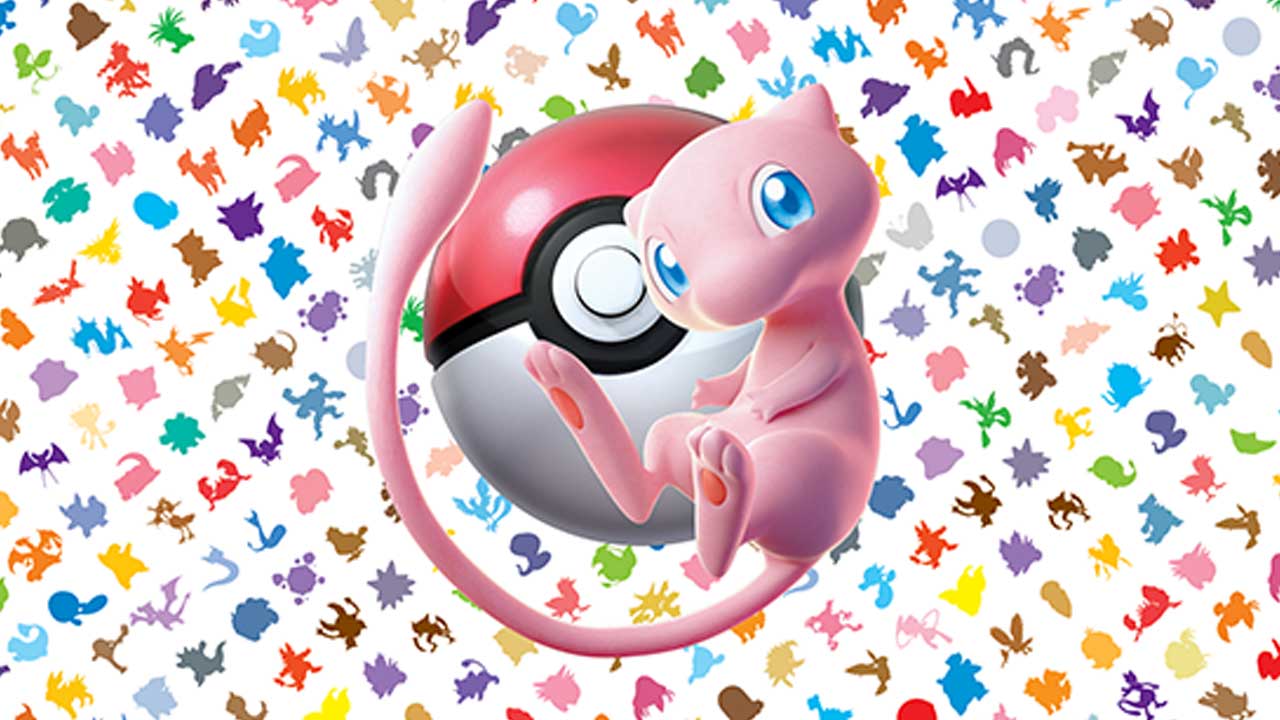
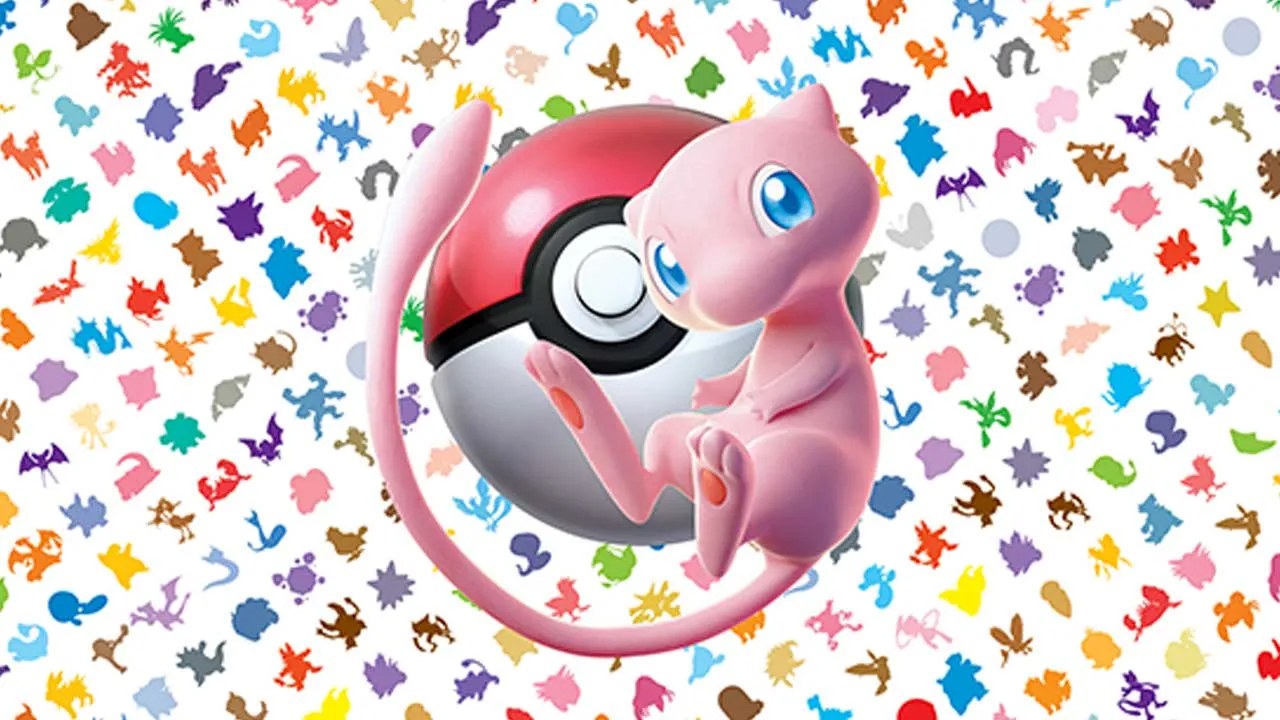
If you’ve been keeping an eye on the Pokémon TCG market, you’ve probably noticed something weird. The 151 Booster Bundles—the kind of packs that commemorate the franchise’s massive history—are suddenly commanding serious cash. We’re talking about price jumps that aren't just "a little bit more expensive." This isn't a minor fluctuation; this is a market correction fueled by nostalgia, anniversary hype, and the sheer force of decades of pop culture saturation.
For those of us who follow the intersection of gaming, tech, and high-demand collectibles, this pattern is familiar. When a major IP hits a milestone—be it a 30th anniversary, a major game release, or a critical tech upgrade—the associated merchandise doesn't just sell out; it becomes an investment vehicle.
So, what’s really happening with these booster bundles? Is this just normal collecting fervor, or are we witnessing a classic hype bubble forming? We dug into the numbers and the underlying market dynamics to give you the full breakdown.
The price surge surrounding the 151 Booster Bundles isn't random; it's a textbook example of supply and demand meeting peak emotional resonance.
The Anatomy of a Hype Spike
The price surge surrounding the 151 Booster Bundles isn't random; it's a textbook example of supply and demand meeting peak emotional resonance. When a product is tied to a major anniversary, its perceived value skyrockets far beyond its intrinsic cost.
Think about it like this: Pokémon is a global behemoth. The 30th anniversary isn't just a date; it's a cultural moment. It taps into the collective memory of millions who grew up with the franchise. This emotional weight translates directly into collector demand.
The core issue is simple: the supply of these specific, highly desirable bundles is finite, while the demand—fueled by nostalgia and the desire to own a piece of history—is massive. Retail supply chains, even when working overtime, cannot keep pace with the enthusiasm of a global fanbase.
Market Dynamics: Beyond the Card Game
To understand the current pricing, you have to look past the cardboard and the artwork. This is a lesson in market psychology that applies equally to crypto assets, limited-edition tech drops, and collectible gaming goods.
The current environment is characterized by several key factors that are driving the price up:
The Scarcity Premium: As mentioned, the limited nature of the anniversary bundles is the primary driver. Limited edition items inherently carry a premium. The market knows that once the initial run is sold out, the supply curve flattens dramatically, while the demand curve remains high.