The 30-Year-Old Playground Myth
If you played Pokémon Red or Blue in the late 1990s, you know the rumor. There was a truck. It sat near the S.S. Anne in Vermilion City, inaccessible and mysterious, and the playground whisper network — pre-internet, pre-verified guides, pure schoolyard chaos — insisted that Mew was hidden underneath it. You just had to find the right way to move it. You just had to Surf there at the right moment. You just had to have beaten so many trainers, or not beaten so many trainers, or had a specific Pokémon in your party.
None of it was true. Mew wasn't there. The truck was an environmental detail. But the rumor took on a life of its own because it felt plausible in the way only early-childhood mysteries can — the game was enormous, incomprehensible to young minds, and full of strange corners. The truck became a symbol of everything unknowable about that world. For an entire generation of players, it represents the feeling of genuine mystery that games used to hold.
Game Freak has always been aware of the mythology. The developers have acknowledged it in interviews over the years, often with what reads as quiet amusement. They planted the truck as a detail, not a secret. But the rumor grew around it like a vine, and somewhere along the line, someone apparently decided it was time to make it real.
That decision has resulted in one of the most purely delightful Easter eggs in recent gaming memory.
Game Freak hid an actual Mew-under-a-truck Easter egg in Pokopia, making the 30-year-old playground rumor real for the first time.
How Players Are Pulling It Off in Pokopia
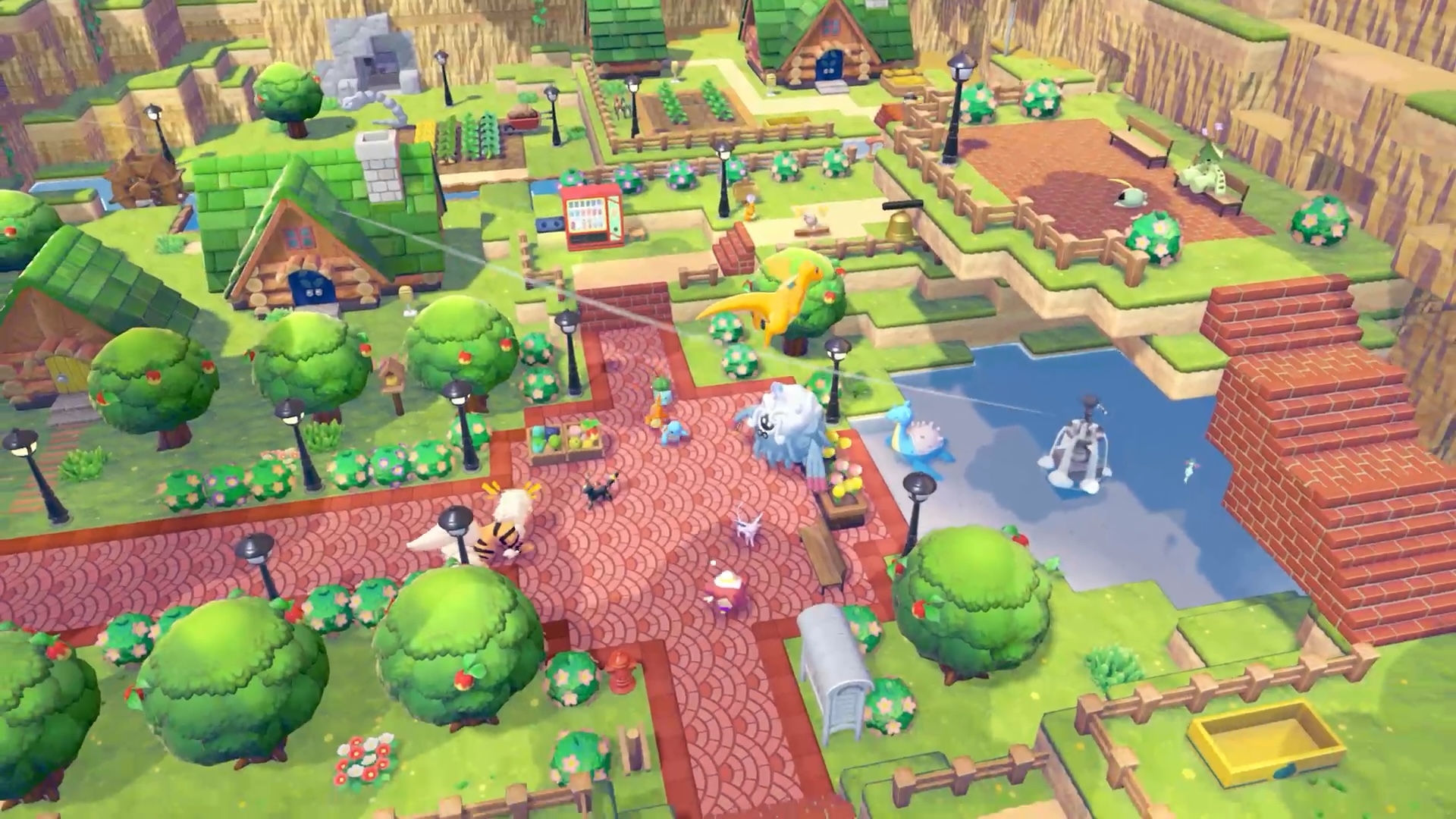
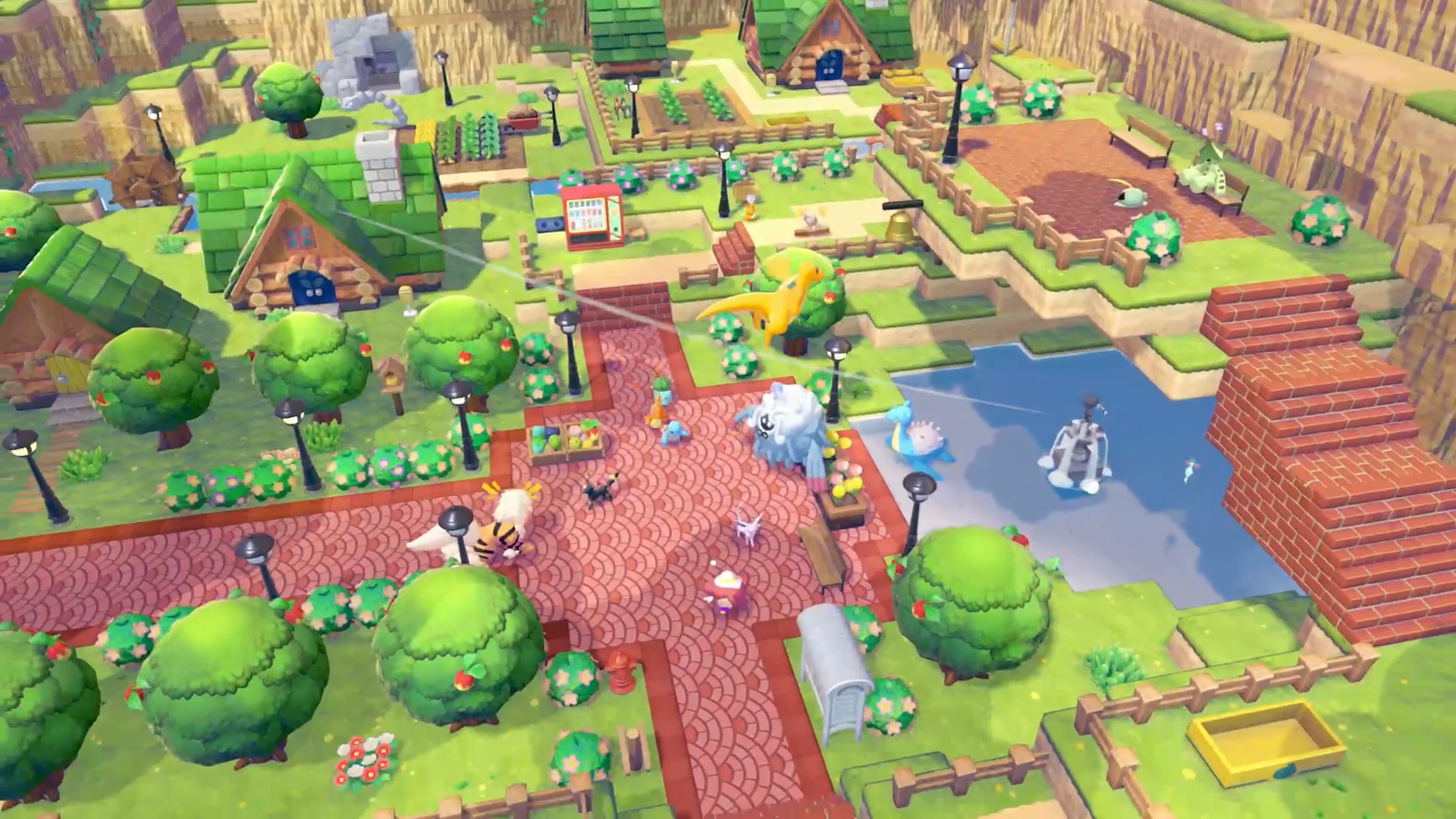
The Easter egg in Pokopia is not accidental and not datamined filler — it's constructed with genuine craft. Players discovered it roughly three weeks post-launch when a community member on a Pokopia subreddit posted footage of an unusual truck sitting in an obscure corner of one of the game's port towns. The immediate response, predictably, was pandemonium.
The mechanics of the encounter are deliberately obtuse in a way that mirrors the original myth. Players have to approach the truck from a specific direction, at a specific time of day, without having encountered more than a threshold number of wild Pokémon in the surrounding area. The exact conditions were crowd-sourced over several days of community experimentation — which is itself a perfect recreation of how the original rumor spread.
Once the conditions are met, the truck shifts slightly, and Mew appears. It's a proper encounter, not a cutscene. Mew at its original Gen 1 stats, catchable with standard mechanics. The whole thing is staged with enough reverence that it's clearly the work of someone at Game Freak who grew up with the same rumor the rest of us did — and decided the mythology deserved a proper ending.
The discovery spawned immediate community celebration. Within 24 hours of the footage going live, the clip had been shared hundreds of thousands of times, with players posting their own successful encounters alongside genuine emotional reactions. That's the thing about Easter eggs done right: they don't just reward the finder, they become a shared moment.
Why Easter Eggs Like This Make Pokopia Special
There's a version of this Easter egg that could have been cheap. A truck in the background, maybe a little sign that winks at the rumor, a commemorative item in the reward. That would have been fine. Fans would have appreciated it. But Game Freak went further: they made it a real, catchable Mew encounter with actual mechanical depth, hidden behind conditions that required genuine community effort to unravel. That's not a nod — that's a love letter.
Pokopia has already earned considerable goodwill for the depth of its world design, but moments like this cement something harder to quantify: the sense that the people making the game actually care about its history. Not in a corporate 'we know what nostalgia sells' way, but in a 'we've been thinking about this truck for 30 years too' way. That's a different energy entirely.
It also speaks to the kind of game Pokopia is at its best — one that rewards curiosity and patience. The main storyline is accessible, almost by design, but the world around it is dense with secrets, hidden encounters, and moments that feel earned. The Mew truck is the most high-profile example, but players have been finding smaller callbacks and mysteries since launch week.
The broader effect is that Pokopia feels like a game made by people who still love Pokémon the way an eight-year-old loves Pokémon — completely and without irony. That's rare to find in a franchise this large, and it's a big part of why the game has resonated as broadly as it has.