Pokopia is the comfort game Japan didn't know it needed
I will admit I underrated Pokopia at announcement. The cozy-Pokémon-builder pitch sounded like a Stardew clone wearing a Pikachu hat, and I figured it would be a decent eight-week chart performer that faded behind the next mainline RPG. That call has aged badly. The Famitsu weekly numbers out of late March 2026 show Pokopia still parked near the top of the Japanese sales chart well after launch, and the slope of the decline isn't the steep cliff you see on a launch spike. It's a slow, gentle taper, which is the exact shape of a real sleeper hit.
What's driving the longevity is the same thing that drives any chart staple in Japan: the game is a daily-loop game, and the daily loop is good. Pokopia rewards a 20-minute morning session before work, a longer weekend session, and an open-ended creative play pattern that fits how Japanese audiences actually use a Switch 2. It's not a sprint to the credits, it's a thing you load on the train and feel slightly better afterward. That category, comfort game with a Pokémon coat of paint, has been weirdly absent from the lineup for years, and Pokopia walked into that vacuum.
The other piece is the social loop. Players are sharing builds, swapping garden layouts, and posting clean screenshots that move the algorithm on Japanese Twitter and TikTok. That kind of organic sharing is the unkillable engine. As long as the community keeps making content, the chart tail keeps bending.
Pokopia has held high Famitsu chart positions weeks after launch, a sustained run, not a launch bump
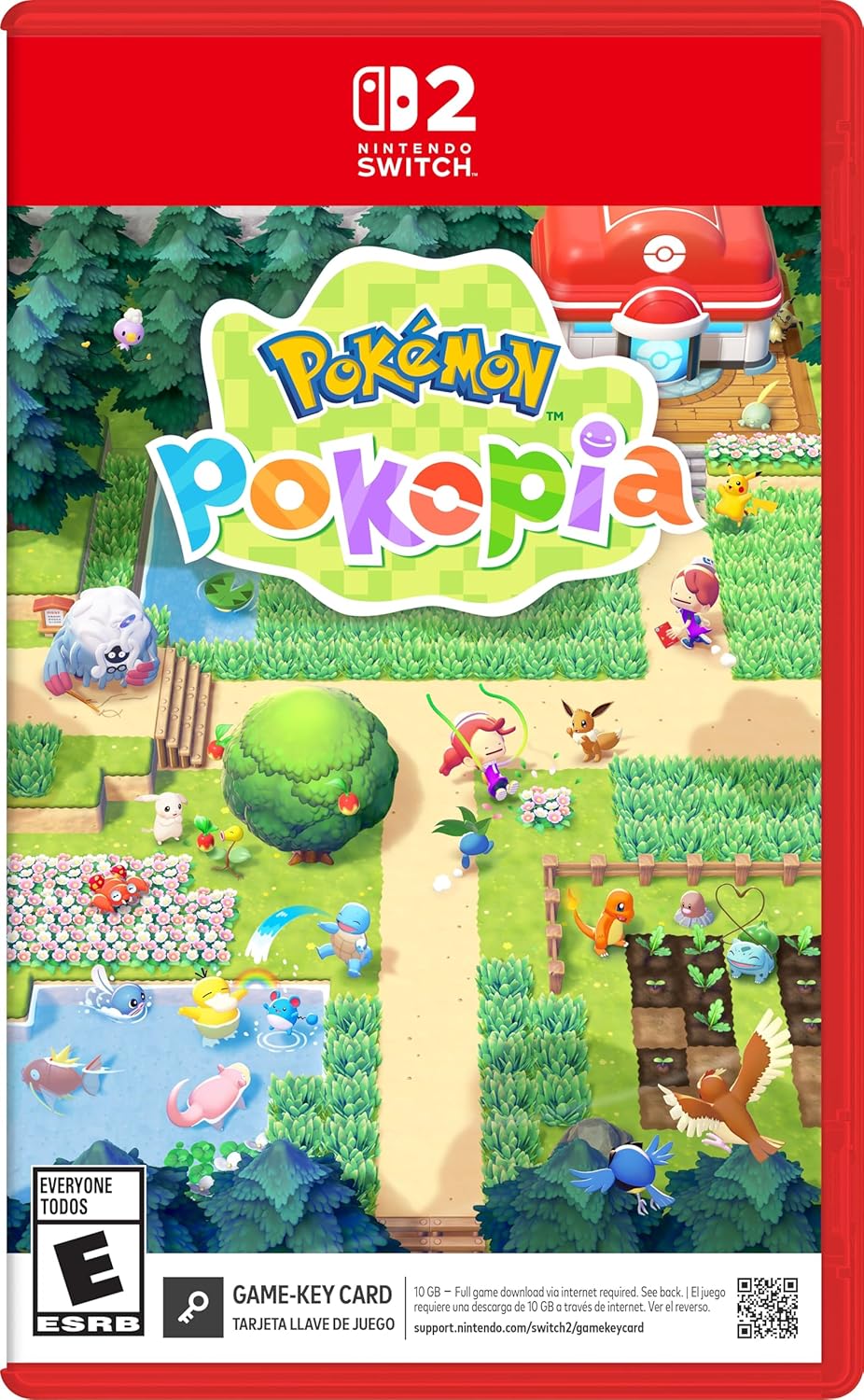
The chart tail is the part the global narrative missed
Western coverage of Pokopia has been mostly review-cycle stuff, was it good, what's the Metacritic score, how does it stack against mainline. Fine. But the Japanese sales narrative is the real story, and it's a narrative that needs the chart tail, not the launch number, to read correctly. A Pokémon spinoff hitting #1 in week one in Japan is unsurprising. A Pokémon spinoff still in the top tier of the Famitsu chart at the four-week and six-week marks is the actual signal. That's what Animal Crossing: New Horizons did. That's what Splatoon 3 did. Pokopia is now in that tier of conversation, and it deserves to be.
Sustained Famitsu chart presence is also the cleanest leading indicator we have for total lifetime Japanese sales. Japan still buys a meaningful chunk of its software at retail, and the weekly chart is essentially a real-time read on physical pull-through plus eShop tie-ins from Famitsu's panel. When a game holds top positions past week four, the lifetime sales math gets aggressive fast. If the current shape holds, Pokopia is going to be a top-five Japanese seller of 2026 by the end of summer, and that's a genuinely big deal for a spinoff.
The reason this matters globally is that the Japanese sustain often previews the Western long-tail. Japanese audiences tend to identify the cozy-loop staples first, then the global market catches up via word of mouth and the Switch 2 install base growing. Expect the Western sales tail to mirror the Japanese one with a six-to-eight-week lag.
Nintendo Switch 2 Console
Hybrid handheld and docked console for the Switch 2 generation
Affiliate links. We may earn a commission at no extra cost to you.
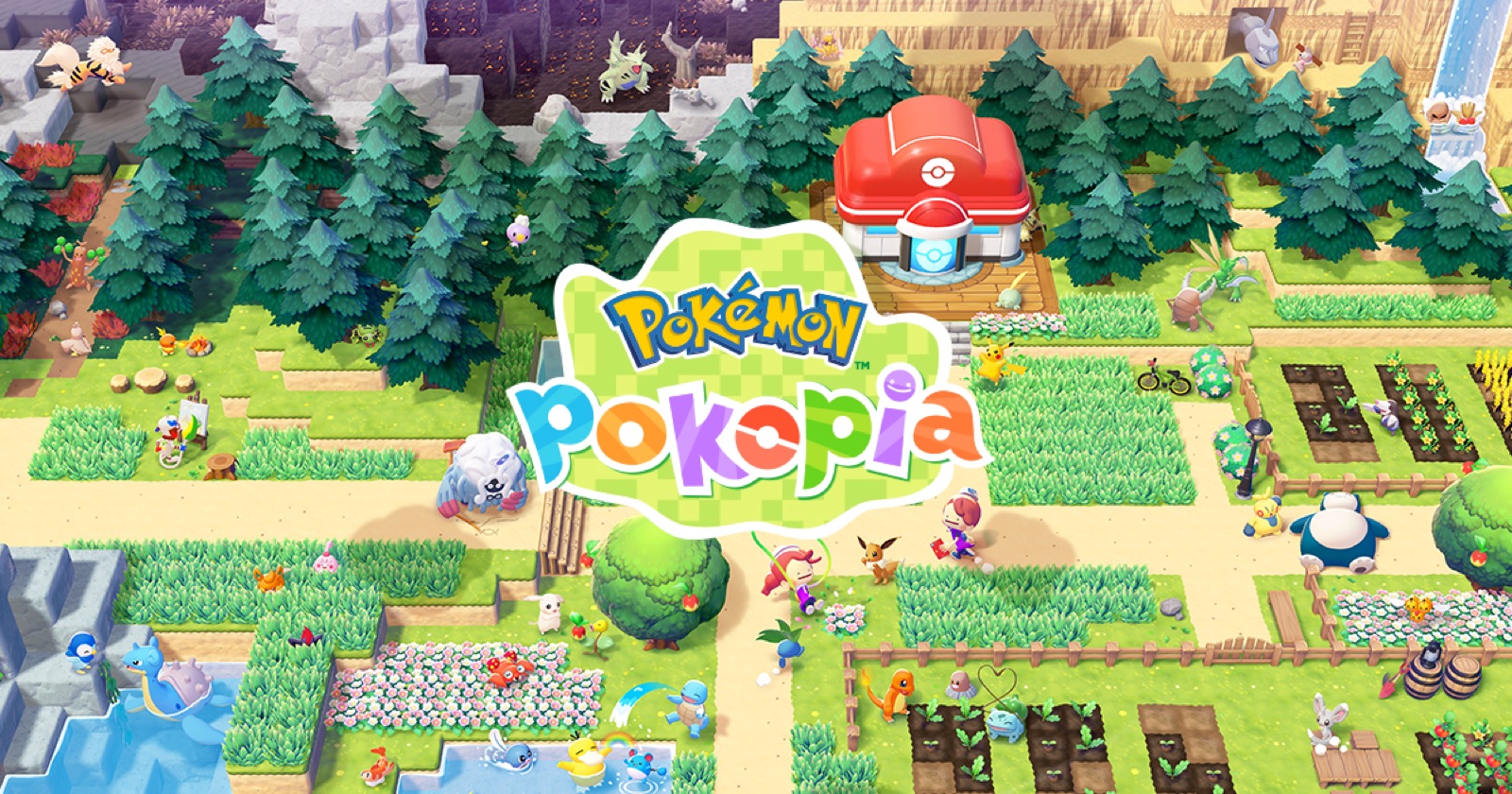
What this means for Switch 2 attach rate
The Switch 2 was already going to clear its first-year sales target on hardware momentum alone. What Pokopia adds is attach rate, and attach rate is what actually makes a console economically interesting for Nintendo and for third parties. A platform that sells hardware but moves one game per console is a worse business than a platform that sells fewer units but moves four. Pokopia is the kind of game that pulls a Switch 2 purchase off the fence for a household that wasn't sure they needed one yet, and then pulls a second-game purchase six weeks later when the Pokopia honeymoon ends.
The numerical version of this argument is that every Pokopia copy sold to a Switch 2 owner makes the console a stickier device, which compounds for every future Pokémon, Mario, or Zelda release on the platform. The Q1 2026 attach math out of Japan is going to look meaningfully better than what Nintendo would have posted with just mainline ports and the launch lineup. That feeds directly into third-party publisher decisions for Q3 and Q4 2026, when attach rates look healthy, more publishers commit to native Switch 2 SKUs instead of cloud workarounds.
Watch for Nintendo to lean into Pokopia at the next Direct. A spring or summer expansion or seasonal content drop is the obvious play, and it's the kind of move that extends the chart tail through the back half of the year.
Why the cozy-game framing actually fits this audience
There's a tendency in Western Pokémon coverage to treat 'cozy spinoff' as a step down from mainline, which I think is a misread. Japanese players have a different relationship with the Pokémon brand than the rest of the world, and the cozy lane has been a structural gap in that lineup for a long time. Mainline Pokémon is for the kid who wants to be the very best. Pokopia is for the adult who already was a kid playing Red or Blue and now wants to grow vegetables with a Vulpix. That audience is enormous and underserved.
The reason this matters for the chart sustain is that the audience for cozy-loop games doesn't churn the way the audience for narrative-RPGs does. People who finish a 60-hour JRPG put it on the shelf. People who play a daily comfort loop just keep playing for months. The retention curve is shaped fundamentally differently, and the chart tail reflects it. Pokopia's sales pattern looks much more like Animal Crossing's pattern than like Pokémon Sword/Shield's pattern, and that's the right comparison.
If Nintendo actually understands what they have here, and the smart money says they do, Pokopia is a multi-year platform, not a one-and-done spinoff. The seasonal content and live-ops potential is enormous, and the Switch 2 install base will keep growing alongside it.
What I'd actually do as a player or watcher
If you haven't bought Pokopia yet and you have a Switch 2, the Famitsu sustain is the strongest possible buy signal. This isn't a launch hype game that fell off, it's a game holding chart positions weeks deep, which means real players are still loading it on real Tuesday nights for fun. That's the only review metric I trust more than my own playtime. Buy it. The full price will hold for the foreseeable future because there's no demand-side reason for Nintendo to discount.
If you're a publisher or developer paying attention to Switch 2 ecosystem signals, the takeaway is that the cozy-loop lane on Switch 2 is wide open and high-value. Pokopia is going to suck up a lot of the oxygen in that category, but the audience is bigger than one game. There's a real second-mover opportunity here for a non-Pokémon cozy game with strong Japanese localization shipping in the back half of 2026.
I'll keep tracking the Famitsu numbers weekly and flag the moment the slope finally bends. Until then, this is the Q1 2026 Japanese hit, full stop.
What to watch in May
The May Famitsu data is the next decision point. If Pokopia holds its current chart position through the first two weeks of May, the long-tail thesis is locked in and we should expect the same pattern in Western markets through summer. If the slope steepens noticeably and the game falls out of the top tier, that's the first signal that the cozy-loop audience has thinned and Nintendo will need to ship content to re-engage them.
I'm also watching for any Switch 2 hardware bundle including Pokopia. If Nintendo bundles the game with a console SKU in Japan for the spring shopping season, that's both an attach-rate accelerant and a confirmation that Pokopia has graduated from spinoff to platform-driver status. That's the move I'd make in their position.
Famitsu's weekly chart breakdown was the source for the late March data. We'll keep tracking the numbers as they come in.