Pokopia's Impact on Ditto Card Prices
If you thought the Pokémon card market was already a wild, speculative beast, think again.
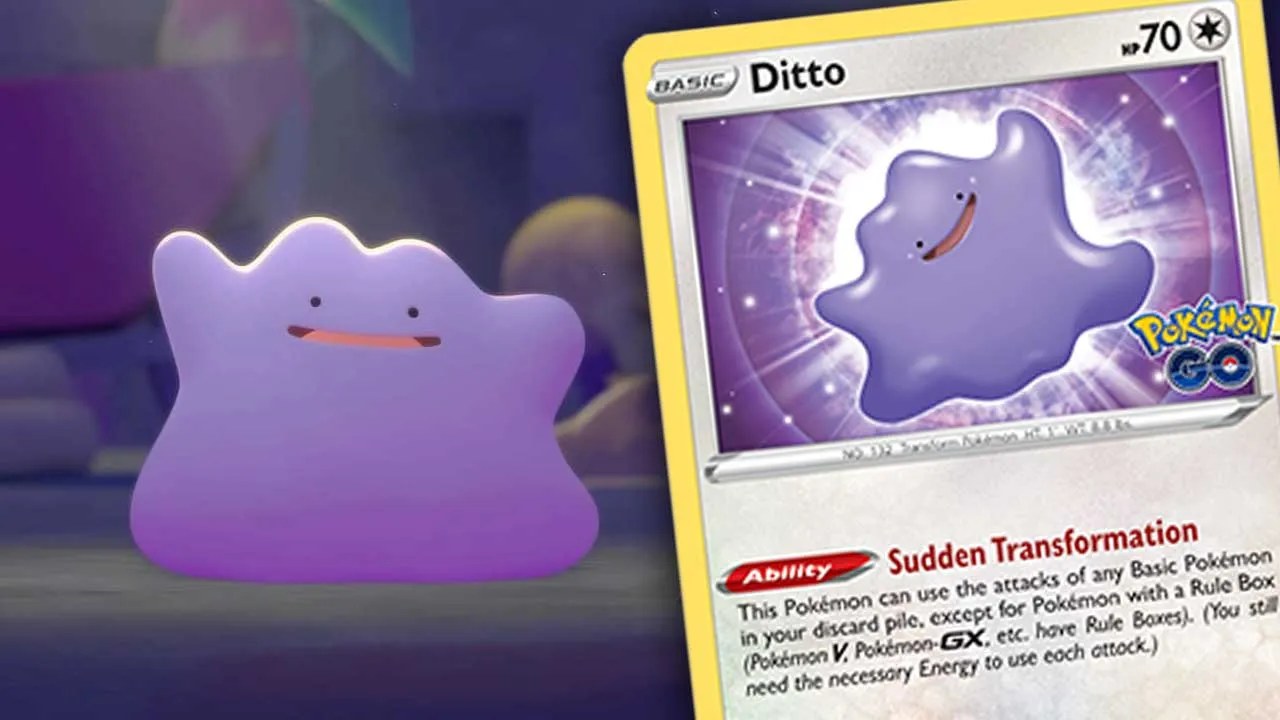
The launch of Pokopia—a highly anticipated new line of Pokémon cards—has done more than just generate buzz; it has triggered a sudden, sharp spike in the demand and corresponding price for a single, unassuming card: Ditto.
For those unfamiliar, Ditto is the chameleon of the Pokémon world. Its ability to transform into other Pokémon makes it incredibly valuable in gameplay. But the market reaction to Pokopia is far beyond mere gameplay utility. It’s a perfect storm of manufactured scarcity, viral hype, and classic speculative mania.
The core of the issue isn't the card's inherent value; it's its perfect utility in the context of a massive, unexpected market influx.
The Mechanics of the Mania: Why Ditto?
The core of the issue isn't the card's inherent value; it's its perfect utility in the context of a massive, unexpected market influx.
When Pokopia dropped, it didn't just introduce new characters; it injected a massive wave of collectible energy into the ecosystem. The sudden availability of new, desirable cards created a vacuum of demand for established, versatile staples. Ditto, with its signature ability to mimic, is the ultimate "utility asset" in the card game sense. It's the Swiss Army knife of the Pokémon TCG.
In market terms, this is analogous to a sudden, unexpected upgrade in a foundational piece of tech infrastructure. Every new piece of hardware or software released often elevates the value of the foundational components that make the whole system work. Ditto is that foundational component. Its ability to adapt makes it universally useful, meaning that as more people start playing with the new Pokopia cards, they all need the ability to adapt—they need Ditto.
Understanding the Hype Cycle: From Collectible to Asset
For the sharp, financially minded reader, the current Ditto spike isn't just a "collecting hobby" problem; it's a textbook example of a hype cycle playing out in a tangible, physical commodity.
When a product like Pokopia hits the market, it creates immediate, intense FOMO (Fear Of Missing Out). This psychological pressure drives people to the secondary market, where they are willing to pay a premium for perceived value.
What we are witnessing is a rapid shift in perception: Phase 1: Collectible: People buy it because it looks cool or they like the Pokémon. Phase 2: Utility: Players buy it because they know it's powerful in the game. Phase 3: Asset: Investors buy it because they predict the hype will continue, driving the price higher, treating the card less like a toy and more like a volatile, physical asset.