Understanding the Pokemon Champions Singles Meta
Pokemon Champions Singles is built around the same competitive foundation as the mainline games: six Pokemon per team, one in battle at a time, with the victory condition of knocking out all of the opponent's team. The depth comes from the nearly limitless combinations of Pokemon, movesets, abilities, and hold items that can be assembled into teams.
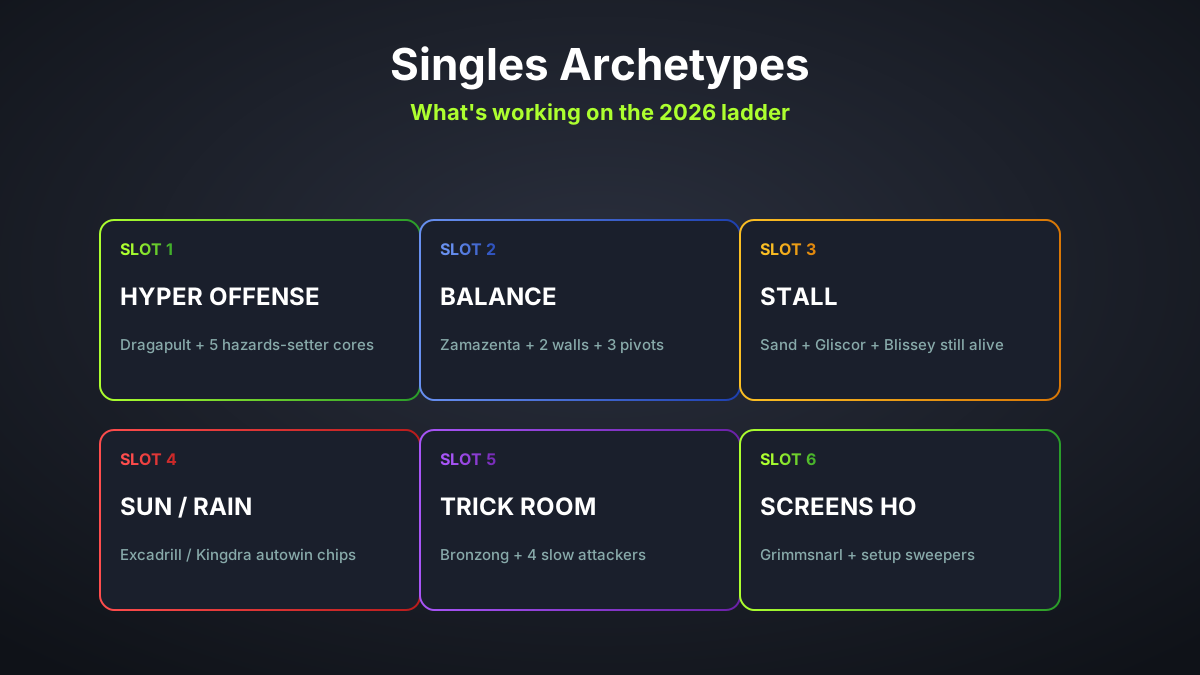
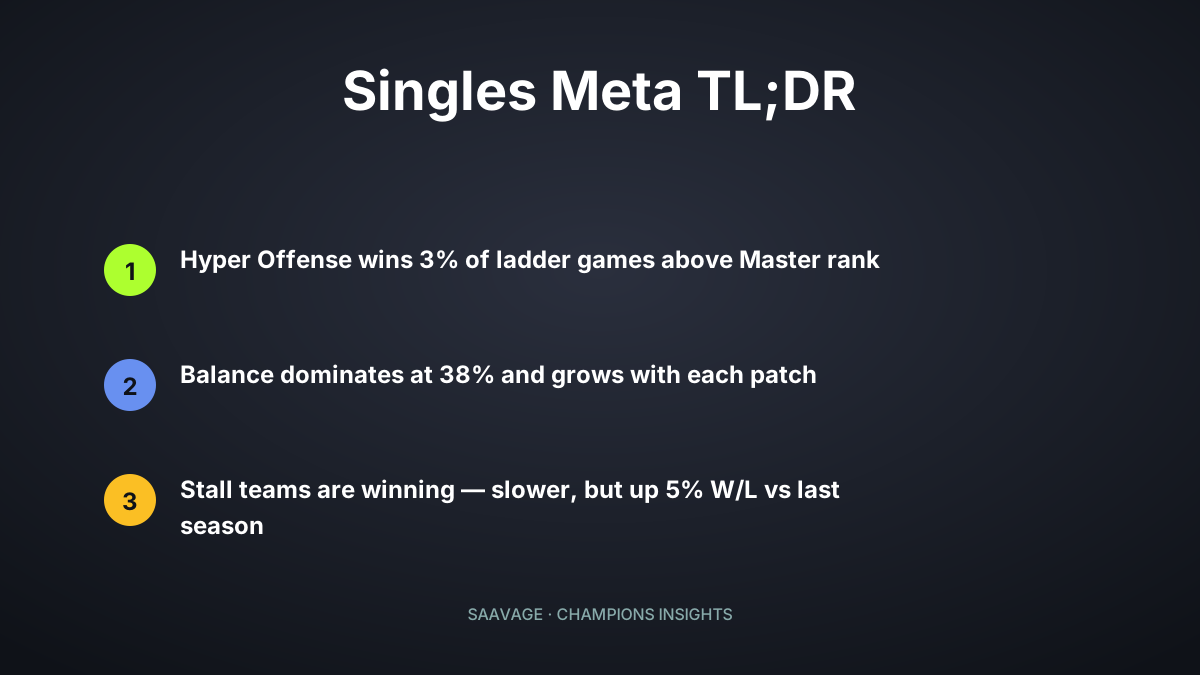
The current meta in Pokemon Champions rewards teams with a balance of offensive pressure, defensive coverage, and a clear win condition. Pure hyper offense can be effective at lower ranks but becomes more predictable as opponents develop specific counters. Balance builds that maintain both offensive threats and defensive pivots tend to perform most consistently across all rank tiers.
Understanding what your opponent is likely to run at each rank tier is as important as team building itself. At lower ranks, physical attackers and Mega Evolution users are predominant. At higher ranks, entry hazard control, Trick Room considerations, and priority move management become increasingly important factors in team design.
Hyper offense, balance, and stall are the three primary team archetypes in the current meta
Hyper Offense: Maximum Aggression
Hyper offense teams operate on the principle that the best defence is an opponent who never gets to attack. By assembling a lineup of high-Speed, high-Attack or high-Special Attack Pokemon with coverage for the widest range of defensive types, hyper offense aims to KO opponents before they can inflict meaningful damage in return.
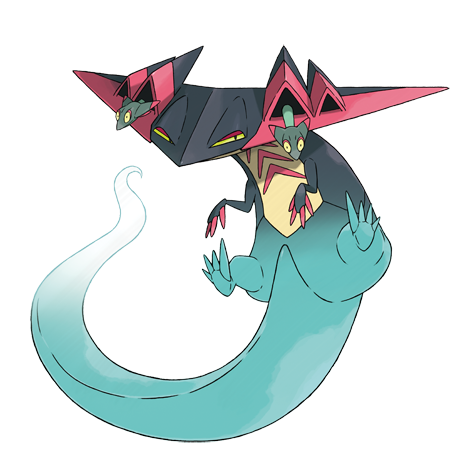
Effective hyper offense teams in Champions typically include a lead that can either set Stealth Rock quickly or apply immediate offensive pressure, a Speed control option such as Tailwind or a priority move user, and at least one Mega Evolution to provide a power spike at a critical moment. Garchomp, Dragapult, and Urshifu-Rapid-Strike are common offensive anchors in this archetype.
The weakness of hyper offense is its vulnerability to Trick Room, revenge killers who are faster after a KO, and priority moves that bypass Speed. Building in a Choice Scarf user or a Pokemon with natural high Speed helps manage these threats without sacrificing the archetype's offensive momentum.
Rain Teams: The Most Consistent Archetype
Rain teams built around Pelipper and Swift Swim sweepers remain among the most reliable archetypes in Pokemon Champions Singles. The structure is straightforward: Pelipper sets rain, Swift Swim doubles the Speed of water-type and rain-compatible sweepers, and the boosted Water moves hit for 50 percent more damage in rain conditions.
A standard rain team composition includes Pelipper, one or two Swift Swim sweepers such as Kingdra or Barraskewda, a non-Swift Swim attacker who benefits from other rain perks such as Thunder's perfect accuracy, and defensive pivots to handle the Grass and Electric types that commonly threaten the rain lineup. The team is self-contained in a way that many other archetypes are not, with Pelipper providing the weather support that enables all other pieces.
The primary counter to rain is opposing weather, particularly Tyranitar's Sand Stream and Torkoal or Ninetales-Alolan's sun-setting abilities. Preparing a teammate who can remove or threaten these weather setters is the most important defensive consideration when building a rain team for high-ranked play.
Balance Builds: Flexible and Consistent
Balance teams sacrifice the raw power ceiling of hyper offense and the late-game endurance of stall in exchange for flexibility. A well-built balance team has an answer to almost any opponent strategy: a special wall for opposing special attackers, a physical wall for physical breakers, offensive presence to threaten defensive builds, and a hazard setter or remover depending on the team's needs.
The key to building balance effectively is establishing a clear core of two or three Pokemon whose defensive typings complement each other and whose offensive roles cover the widest possible range of opponents. Fire-Water-Grass cores remain as relevant in Champions as they have been in competitive Pokemon for decades, providing a starting point that can be customised from there.
Successful balance teams in the current meta typically include Gardevoir or Togekiss as a Fairy attacker to handle Dragon types, a Steel type like Ferrothorn or Archaludon for defensive durability, and a Ground-type pivot like Landorus-Therian for removing Electric immunities and setting Stealth Rock.
Building Your Team: Practical Advice
Start with a win condition: decide what Pokemon you want to use to close out games and build the rest of the team to support that Pokemon getting into a favourable position. A win condition can be a Mega Evolution like Mega Gardevoir, a weather sweeper like Kingdra under rain, or a setup sweeper like Dragonite after a Dragon Dance.
Cover your win condition's weaknesses with defensive teammates, then ensure those defensive teammates have their own weaknesses covered by a third Pokemon. This triangle of coverage creates a team that does not have a single obvious weak point that opponents can exploit repeatedly.
Finally, test your team in unranked matches before committing to a ranked grind. The meta shifts continuously as players discover new strategies, and what works perfectly in theory sometimes reveals unexpected weaknesses in practice that need to be addressed before climbing the ranked ladder.