How to Use This Tier List
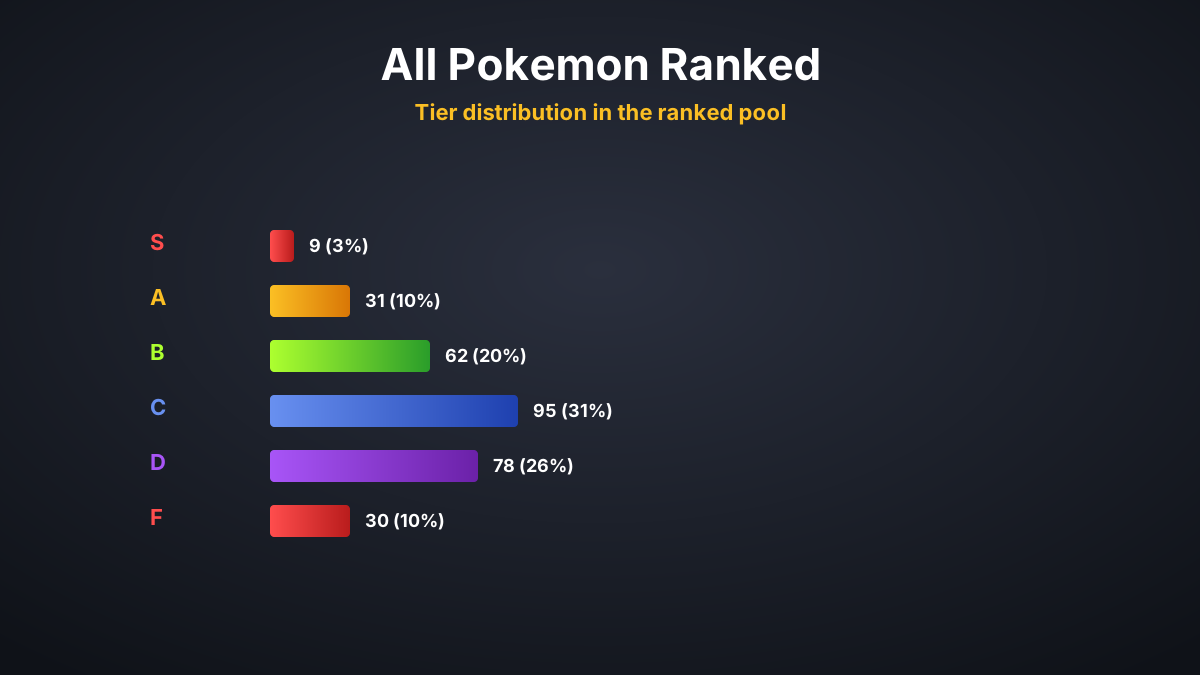
This tier list ranks Pokemon in Pokemon Champions for the standard Singles ranked format based on their performance across all matchups, their utility against the widest range of opponents, and their ease of use for players at different skill levels. A higher tier means a Pokemon is effective in more situations with less team-specific support, not that it is always better than a lower-tier Pokemon in every match.
Tier lists are tools for understanding the meta landscape, not prescriptions for exactly what to build. Two players with identical S-tier teams can have very different win rates based on how well they understand each Pokemon's role. A player who deeply understands a B-tier team will consistently outperform a player using S-tier Pokemon without understanding the strategy.
This ranking reflects the current meta state and will update as the community discovers new strategies. A Pokemon that appears overrated in one season sometimes becomes essential the next as team compositions shift and new counters to previously dominant strategies create opportunities for previously undervalued picks.
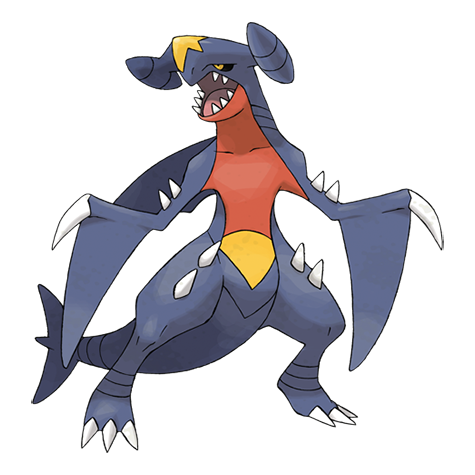
S-tier: Garchomp, Mega Gardevoir, Dragonite, Flutter Mane, Urshifu-Rapid-Strike
S-Tier: Meta-Defining Pokemon
Garchomp leads the Singles meta in the current environment. Dragon and Ground typing with a high base Speed allows it to outpace most of the meta while threatening with Earthquake, Dragon Claw, or Draco Meteor depending on the set. Rough Skin punishes physical attackers who make contact, and Garchomp's ability to run both Swords Dance and Choice Scarf sets makes it unpredictable on the lead turn.
Mega Gardevoir, as discussed in our dedicated build guide, provides Fairy coverage at 165 Special Attack with Pixilate-boosted Hyper Voice. Its presence on S-tier is earned through the combination of raw power, wide coverage through Shadow Ball and Focus Blast, and the type combination that covers the Dragon types dominating the meta.
Flutter Mane's Fairy and Ghost typing with massive Special Attack inherited from its Paradox origins makes it one of the hardest Pokemon to switch into safely in the current format. Booster Energy provides a Speed or Special Attack boost that puts Flutter Mane beyond the reach of most revenge killers, and its coverage through Moonblast, Shadow Ball, and Psyshock addresses virtually every defensive type.
A-Tier: Highly Reliable Competitive Picks
Incineroar's place in A-tier reflects its defensive utility value over raw offensive power. Intimidate lowers the opponent's Attack on entry, Parting Shot creates safe switches while reducing opposing offensive stats, and Fake Out in Doubles provides a free flinch turn. Incineroar's A-tier rather than S-tier placement reflects that its competitive value is more limited in Singles formats than it is in Doubles.
Tyranitar's place in A-tier is secured by Sand Stream, Stealth Rock access, and its enormous base Attack. Sand damages opposing Pokemon every turn unless they have rock, ground, or steel typing, and Tyranitar's raw bulk in Sand conditions from the Special Defence boost is notable. Its 4x weakness to Fighting is a consistent problem at high ranks where Fighting coverage is common.
Landorus-Therian earns A-tier through its combination of Intimidate, Earthquake's broad coverage, and access to Stealth Rock. It handles many of the physical attackers that threaten other team members, provides hazard setting, and threatens meaningful damage through Earthquake and Rock Slide against common meta threats.
B-Tier: Situation-Dependent but Competitive
Togekiss occupies B-tier as the most broadly useful Fairy attacker that is not in S-tier. Its Air Slash has a 30% flinch chance that, combined with the Serene Grace ability that doubles secondary effect chances, creates a 60% flinch rate that some opponents find frustrating to play against. Nasty Plot boosts provide setup potential that can swing games if Togekiss gets a free turn.
Archaludon's place in B-tier reflects its strong offensive potential through Electro Shot and Steel/Dragon coverage, balanced against its vulnerability to Ground and Fighting moves that are common at all ranks. With proper team support it performs like an A-tier Pokemon, but the dependence on specific team conditions for its Electro Shot threat to function optimally caps its individual tier placement.
Heatran in B-tier is the primary Steel-type defensive anchor for teams that need a solid wall with offensive threat. Flash Fire immunity to Fire moves, Stealth Rock access, and Magma Storm's trapping mechanic make it uniquely difficult to play against. Its Earthquake weakness is shared with most Steel types and is well-known, making it predictable to counter at high ranks.
C-Tier and Below: Niche Applications
C-tier Pokemon in Pokemon Champions have genuine competitive uses but require either specific team compositions or specific meta matchups to demonstrate their potential. Mimikyu at C-tier is an exception to niche applications, as its Disguise ability guarantees one free hit regardless of the opponent's move selection, which is broadly useful but limited to a single interaction per battle.
D-tier Pokemon are not recommended for serious competitive play but remain functional in casual and lower-rank environments. They often have interesting typing or ability combinations that can be effective in specific situations while being consistently outclassed at higher ranks. Exploring D-tier options can be a rewarding challenge for players who have mastered the meta and want a new perspective.
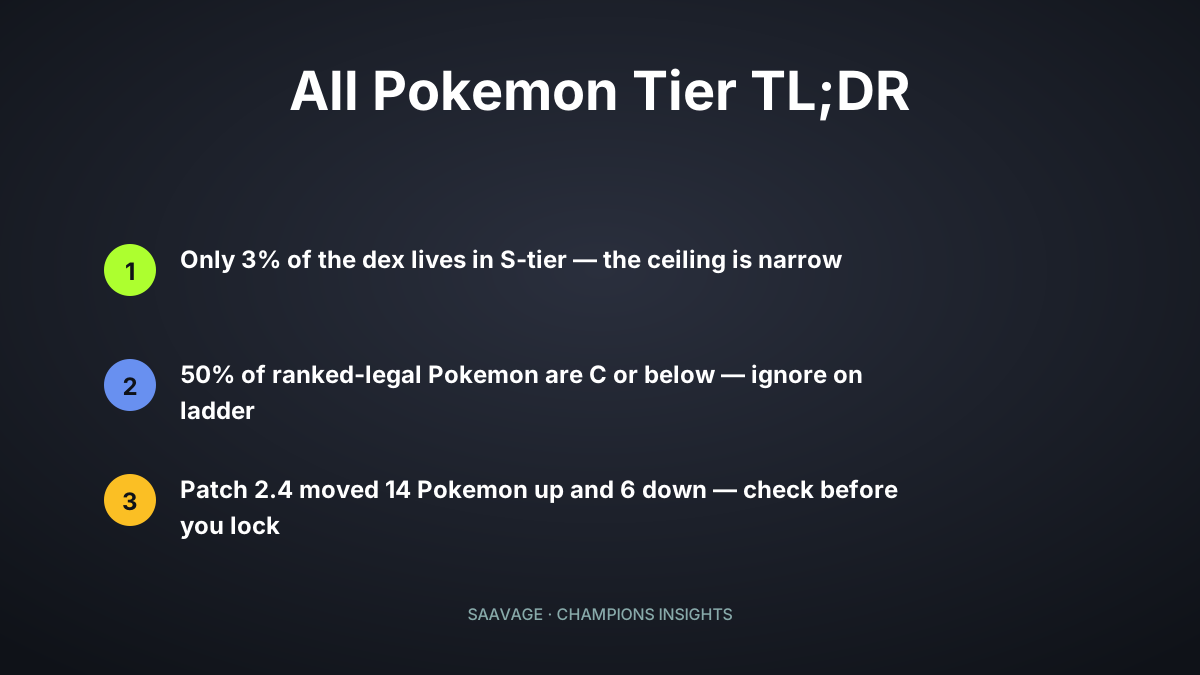
The gap between S-tier and D-tier in Pokemon Champions is meaningful but not insurmountable. Advanced game knowledge, prediction skills, and understanding opponent tendencies can compensate for using lower-tier Pokemon to a significant degree. The tier list is a starting point for team building, not a constraint on creativity.