Overview
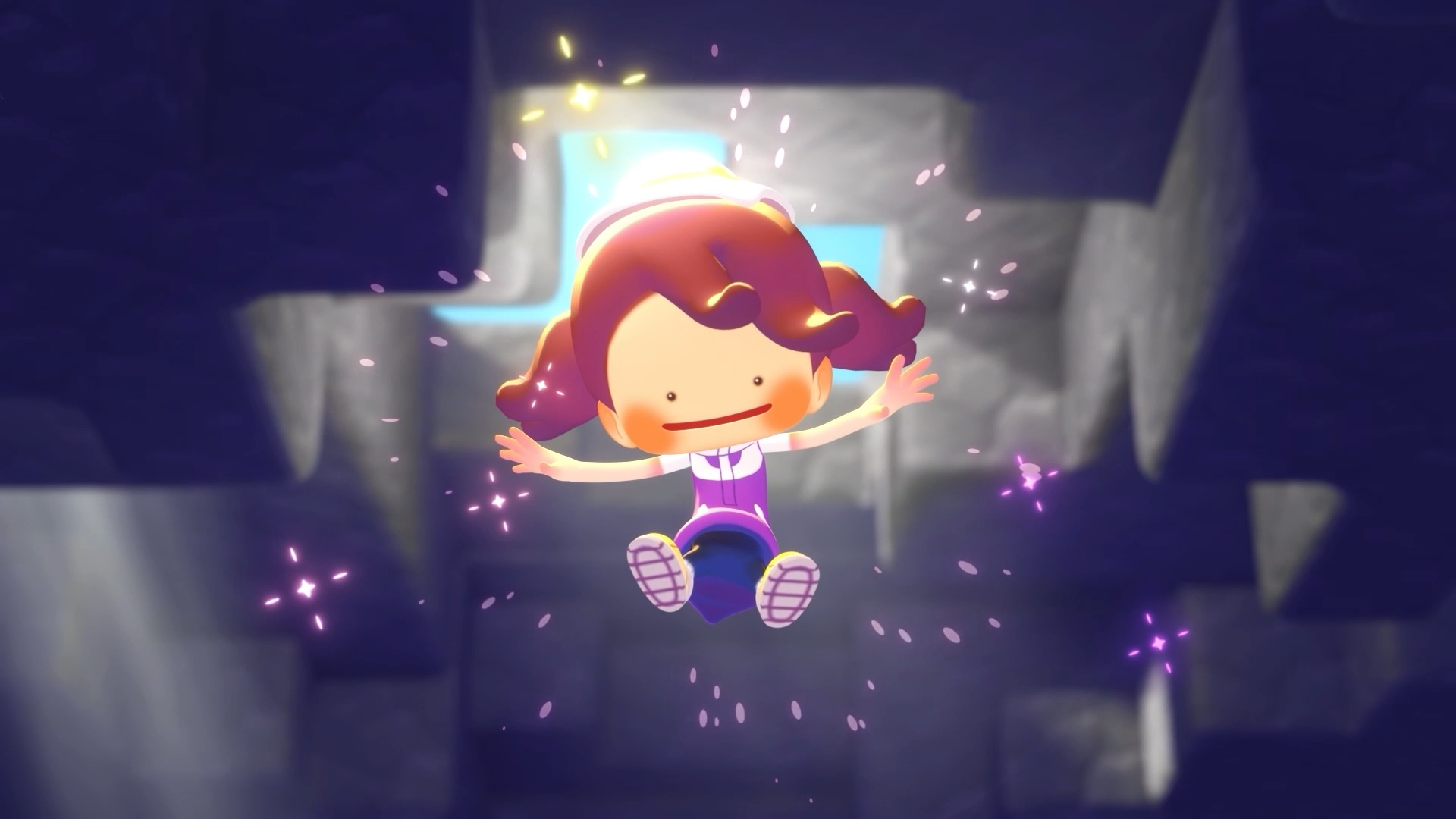
The sudden removal of Pickmos, a survival title heavily inspired by the mechanics of Pokémon and Palworld, from Steam has ignited discussion among industry observers. Developers behind the game stated the removal was part of a revision process aimed at ensuring a "controversy-free experience." This vague corporate language, however, suggests a far more complex entanglement with intellectual property law and the volatile nature of genre imitation in the current gaming market.
The incident serves as a stark reminder of the legal tightrope walk many independent developers must perform when creating titles that draw heavily from established, multi-billion dollar franchises. While the genre blending—combining creature collection, base building, and survival elements—is demonstrably popular, the legal risk associated with mimicking core mechanics or visual styles remains exceptionally high.
The market's appetite for creature-collecting survival loops, catalyzed by the success of Palworld and the enduring cultural weight of Pokémon, is undeniable. Yet, the swift, unexplained withdrawal of Pickmos suggests that the line between homage and infringement is being policed by platforms and legal entities with increasing rigor.
The Mechanics of Imitation and Legal Exposure

The Mechanics of Imitation and Legal Exposure
The core appeal of Pickmos lay in its successful synthesis of disparate, highly successful gaming formulas. It offered the creature capture and battling loop of Pokémon combined with the crafting, base-building, and survival elements popularized by titles like Palworld. This combination proved to be a potent commercial draw, allowing the game to capture significant attention in the crowded indie survival space.
However, the very mechanics that fueled its appeal—the creature-collecting loop, the crafting dependencies, and the open-world survival structure—are precisely the elements that draw the scrutiny of major intellectual property holders. Legal precedents surrounding "inspired by" titles are notoriously difficult to navigate, often leading to preemptive removals or mandatory, costly revisions.
The removal notice itself, citing the need for a "controversy-free experience," is a classic industry euphemism. It rarely points to a single, solvable bug; rather, it suggests a systemic risk that the developers could not mitigate without fundamentally altering the game's identity. This implies that the game's current structure, while commercially viable, contained too many recognizable echoes of protected IP, making it a target for legal action or platform policy enforcement.

The Competitive Landscape and IP Risk Mitigation
The current state of the survival/creature-collecting genre is defined by a high degree of mechanical overlap. Palworld demonstrated that a specific blend of mechanics—survival crafting plus creature management—could achieve massive global success, setting a new benchmark for genre expectations. This success, while inspiring countless clones, also intensified the legal focus on the genre's boundaries.
For developers operating outside the massive financial safety net of corporate gaming studios, the risk profile is acutely high. The industry has seen numerous instances where games are pulled or heavily modified following cease-and-desist letters or platform warnings. These incidents are not merely about copyright; they often involve deep dives into trade dress, character design, and unique mechanical processes that mimic the "feel" of established franchises.
The removal of Pickmos acts as a cautionary case study for the entire indie development community. It underscores that market success, particularly when built upon the successful formula of another IP, must be paired with an almost obsessive level of legal vetting. Developers must move beyond simply copying mechanics and instead focus on creating truly novel systems that are demonstrably distinct.
The Future of "Inspired By" Gaming
The incident surrounding Pickmos forces a necessary conversation about the boundaries of creative inspiration versus outright derivative work. While creative evolution often involves borrowing and remixing, the legal system and major IP holders are increasingly unwilling to tolerate perceived ambiguity.
Going forward, developers aiming to replicate the success of the Pokémon or Palworld model must adopt a strategy of radical differentiation. Instead of focusing on the what (creatures, survival, crafting), they must focus on the how (unique physics, novel progression systems, or entirely new resource management models).
The market will continue to demand the core loop—the cycle of exploration, capture, and combat—but the next wave of successful titles will likely be those that manage to create a unique systemic hook, one that is legally defensible and mechanically distinct enough to withstand intense scrutiny. The lesson is clear: imitation is a short-term cash flow generator, but true longevity requires genuine innovation.