Overview
Networkgo, the publisher behind the game Pickmos, has pulled the title from Steam following an intervention that signals the end of the development cycle. The publisher confirmed the removal via social media, stating that Networkgo was officially supervising the development team to ensure a "controversy-free experience" for the game. This abrupt withdrawal comes amid intense scrutiny regarding the title’s blatant resemblance to two of the most successful intellectual properties in modern gaming: Nintendo’s Pokémon franchise and the viral hit Palworld.
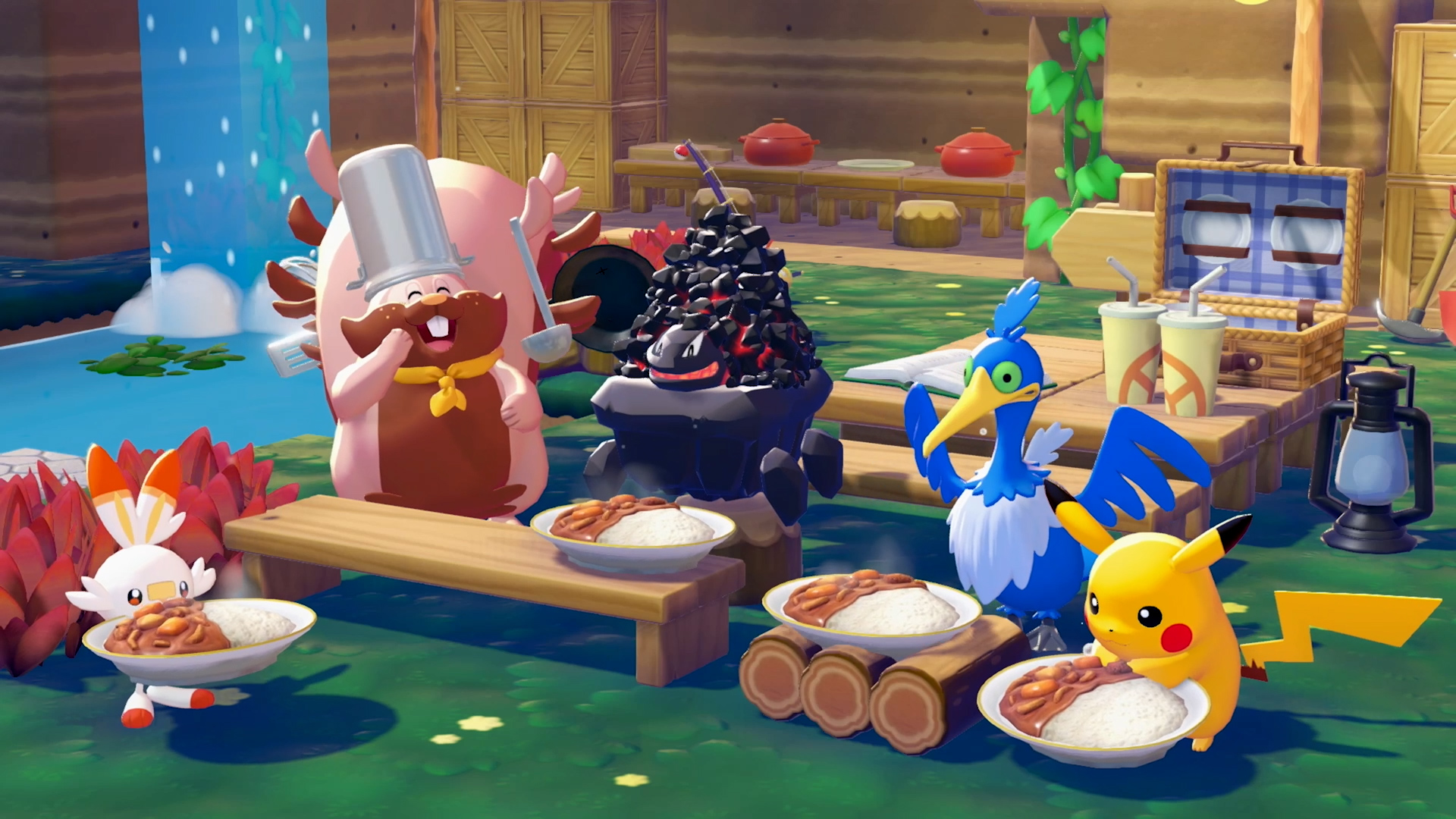
The controversy centers on the fact that Pickmos appears to be a patchwork clone, utilizing monster designs and mechanics that draw heavily from established, protected IPs. While the developer, PocketGame, attempted to distance itself by changing the name from Pickmon to Pickmos—a change the studio claimed represented a "grand ecosystem"—the visual evidence proved difficult to ignore. Critics pointed out the obvious parallels, including specific creature designs that mirrored iconic characters from other franchises.
The situation highlights the precarious nature of developing games in the shadow of massive, established IP holders. The original plans for Pickmos included a PS5 release, but the publisher’s sudden intervention and the removal from a major digital storefront suggest that the project has encountered insurmountable legal or PR hurdles.
The Weight of IP Theft and Publisher Intervention

The Weight of IP Theft and Publisher Intervention
The core issue surrounding Pickmos is not merely the similarity of its mechanics, but the sheer scale of its alleged theft. The game has been accused of drawing inspiration from multiple sources, most notably the creature-collecting loop perfected by Pokémon, and the crafting/survival elements popularized by Palworld. When a publisher like Networkgo steps in and removes a title from Steam, it is rarely a benign act; it typically signals a major legal or reputational risk that the company cannot afford to absorb.
The publisher’s public statement, while couched in vague language about ensuring a "better" experience, served as a tacit admission of the controversy. By claiming to evaluate "blatantly stolen artwork," Networkgo effectively confirmed that the accusations were substantial enough to warrant a full-scale development pause and cleanup. For any independent developer, the intervention of a publisher is usually a sign of financial backing; in this case, it appears to be a sign of damage control.
The market for creature-collecting games is highly saturated, and the barrier to entry for a successful title is immense. Developers attempting to carve out a niche by simply swapping names and slightly altering art assets are playing a high-stakes game against industry giants. The failure of Pickmos to maintain its Steam presence underscores the difficulty of competing when the foundational pillars of the genre are already legally protected and commercially dominant.

Analyzing the Clone Mechanics and Design Flaws
Beyond the obvious IP theft, the design choices within Pickmos itself drew criticism from the community. The initial rollout suggested a game that was more of a visual collage than a cohesive, original experience. The community feedback, which included comparisons to established titles like Temtem and suggestions of alternative, independent takes on the genre like Cassette Beasts, indicated that players were looking for genuine innovation, not just a slight color inversion of existing assets.
The shift from Pickmon to Pickmos was marketed as a deep lore change, suggesting a move toward a "great cosmos." However, the practical reality of the game's mechanics—the core loop of capturing, training, and battling—remained too closely tethered to its inspirations. This dissonance between the marketing narrative and the actual gameplay experience proved to be a critical failure point.
The controversy was compounded by the fact that the game’s art and design elements were not merely inspired by, but appeared to be direct copies of, copyrighted material. This is a critical distinction in intellectual property law. While inspiration is permissible, direct replication of unique character models, specific ability sets, or environmental assets crosses the line into actionable infringement. The publisher's subsequent need to address the "blatantly stolen artwork" confirms that the legal risk was centered on the visual assets themselves.
The Legal Minefield of Modern Gaming Development
The incident involving Pickmos serves as a stark reminder of the legal minefield that independent developers navigate when entering established genres. The gaming industry, particularly the creature-collecting space, is governed by incredibly robust and protective IP laws. Nintendo and its associated entities are known for aggressively defending their intellectual property, and the threat of legal action alone can cripple a project before it ever reaches the consumer.
The removal from Steam, while seemingly a PR move, is often a preemptive measure to mitigate potential legal exposure. By pulling the game, Networkgo avoids the immediate risk of a cease-and-desist order, potential litigation, and the subsequent negative press that would accompany a public legal battle. It is a calculated retreat, prioritizing corporate stability over the continuation of the game itself.
For developers looking to build successful, original IPs, the lesson is clear: the focus must shift entirely to unique mechanics, narrative depth, and art direction that cannot be easily mapped back to existing franchises. Simply iterating on a successful formula is not enough; the underlying system must be novel.