Overview
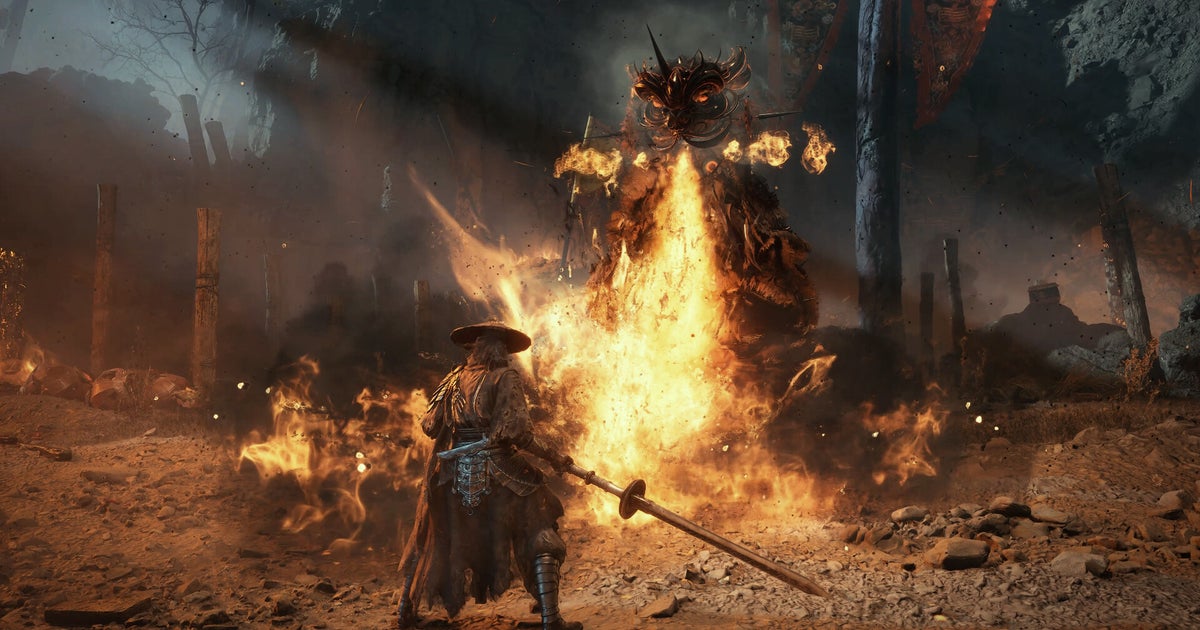
The studio behind Phantom Blade Zero has made a definitive statement regarding the future of game development, announcing a complete rejection of generative artificial intelligence. The developers confirmed that every single piece of content—from character models to environmental assets—will be crafted exclusively by human artists. This move represents a notable philosophical stance in an industry increasingly reliant on AI tools for efficiency and scale.
The commitment to pure human authorship is a direct challenge to the prevailing trend of integrating generative AI into the AAA pipeline. While many major studios are experimenting with AI to accelerate asset creation, Phantom Blade Zero's promise is a return to a highly artisanal, labor-intensive model. The studio is staking its reputation on the argument that the unique quality and emotional depth of the game require the irreplaceable touch of human creativity.
This decision forces a conversation about artistic integrity versus technological expediency. In a landscape where AI can generate passable textures, dialogue drafts, and even skeletal character designs in minutes, the studio's refusal is a calculated bet on the value of human effort. It suggests that for Phantom Blade Zero, the process of creation is as integral to the final product as the product itself.
The Value of Human Authorship in AAA Development
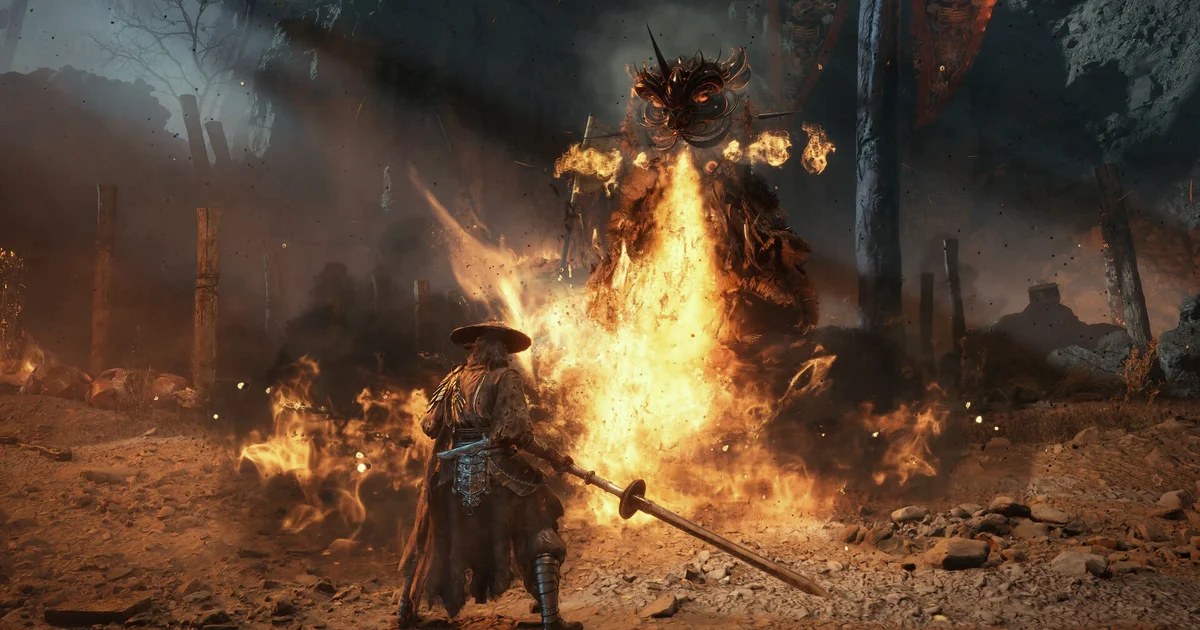
The Value of Human Authorship in AAA Development
The industry has seen a rapid adoption curve for generative AI, particularly in concept art and asset generation. Tools capable of producing high-fidelity images or functional code snippets have dramatically lowered the barrier to entry for large-scale content creation. However, the Phantom Blade Zero team is signaling that this efficiency comes at a cost to authenticity.
The rejection is not merely a technical choice; it is an artistic manifesto. By committing to human-only workflows, the studio is implicitly arguing that the "soul" of a game cannot be prompted into existence. Human artists bring not just skill, but lived experience, cultural nuance, and an understanding of narrative pacing that current AI models struggle to replicate consistently. The complexity of a character's emotional arc, for instance, requires the deliberate, messy process of human storytelling, not just statistical prediction.
This approach suggests a dedication to a level of polish and detail that goes beyond the average AI output. While AI excels at generating volume, the studio is prioritizing depth. They are betting that players will recognize the difference between algorithmically generated content and the meticulous, time-consuming work of highly skilled professionals.
Navigating the AI Content Creation Debate
The debate over AI in creative fields is far from settled, oscillating between utopian visions of limitless creative power and dystopian fears of creative obsolescence. Major tech players and game studios are currently testing the boundaries of what AI can achieve—from procedural level generation to voice synthesis that mimics specific actors.
Phantom Blade Zero's stance places it at the vanguard of the "anti-AI" development movement within gaming. This is a significant differentiator in a crowded market. Historically, the biggest studios have adopted AI tools to manage the sheer scale of modern open-world titles. The implication of this rejection is that the development cycle for Phantom Blade Zero will likely be slower and more resource-intensive than its AI-assisted competitors.
However, the studio is framing this increased labor not as a limitation, but as a guarantee of quality. They are positioning human labor as a premium feature. For players who are increasingly aware of the technology underpinning their entertainment, this transparency could translate into a powerful marketing asset. It allows the studio to build trust by being upfront about its creative methodology.
The Economic and Creative Implications
From a business standpoint, rejecting AI presents both risks and potential rewards. The primary risk is the increased cost and time required for development. Hiring and retaining world-class human artists, animators, and writers is expensive, and the sheer volume of content required for a modern AAA title is staggering.
The reward, however, is brand differentiation. In a market saturated with titles that look increasingly similar—often because they utilize similar, cost-effective generative pipelines—a verifiable commitment to human craft can become a powerful niche. It appeals directly to the segment of the gaming audience that values artistry and the craft of the medium.
This decision also sends a message to the broader industry: that creative quality can, and sometimes must, supersede pure efficiency. It is a powerful counter-narrative to the prevailing tech-optimism that suggests every creative problem can be solved with a better algorithm. The studio is essentially stating that some problems require human hands and minds.