The rapidly evolving landscape of AI technology
The AI landscape is getting messy.
For years, the narrative around frontier models—the massive, powerful AI systems that are reshaping everything from coding to drug discovery—has been one of rapid, almost limitless progress. We were promised a revolution, and we’re getting it.
But the promise is running headfirst into a wall of geopolitical red tape.
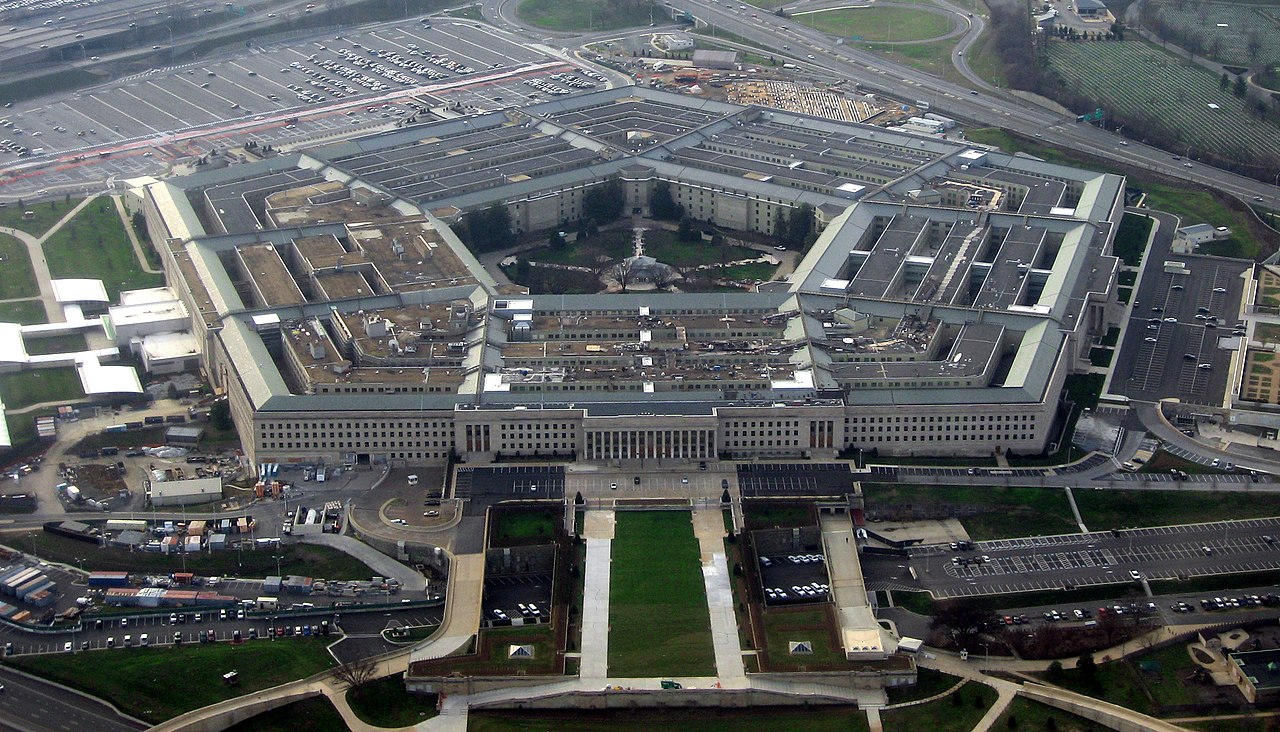
The drama kicked off when Defense Secretary Pete Hegseth placed Anthropic on a supply chain risk blacklist.
The Core Conflict: Safety vs. Scope
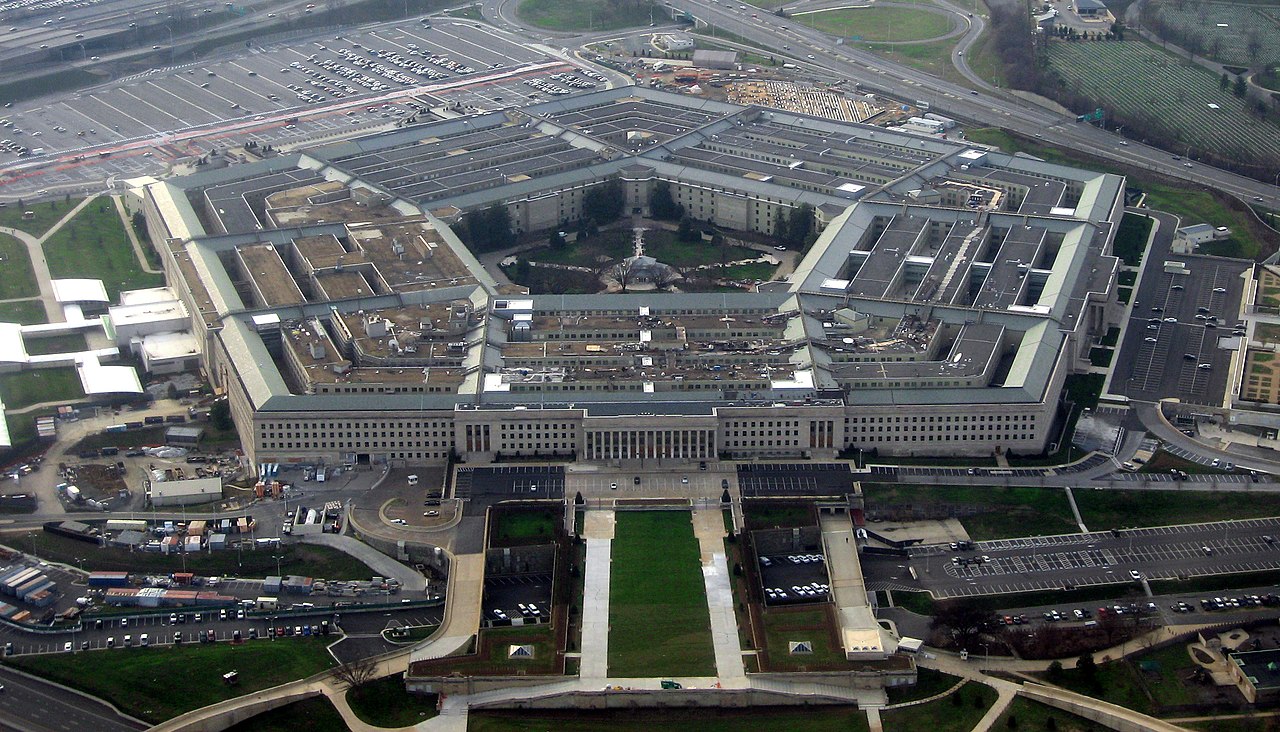
The drama kicked off when Defense Secretary Pete Hegseth placed Anthropic on a supply chain risk blacklist. The trigger? Anthropic’s refusal to lift usage restrictions on its flagship AI assistant, Claude, specifically for military or autonomous surveillance applications.
This isn't a simple disagreement over features; it’s a philosophical clash about the acceptable boundaries of advanced AI.
Anthropic, a company deeply invested in the concept of AI safety, is essentially drawing a line in the sand. They are signaling that the development and deployment of powerful models must be governed by strict ethical and safety parameters. Their stance suggests that giving unrestricted access to frontier AI for military use—especially autonomous weapons—is too risky, regardless of the perceived national security benefit.
Legal Showdown: Contract Law vs. Ethical Stance
The legal battle surrounding this blacklisting is complex, involving appeals courts and the interpretation of decades-old contracts in a brand-new technological domain.
While the appeals court declined to issue a temporary block on the Pentagon's actions, it’s important to note that the legal process is far from over. A final ruling is still pending, meaning the dust hasn't settled.
The conflict boils down to a classic legal tension: Does the contract (the law) supersede the ethical considerations (the policy)?