
Overview
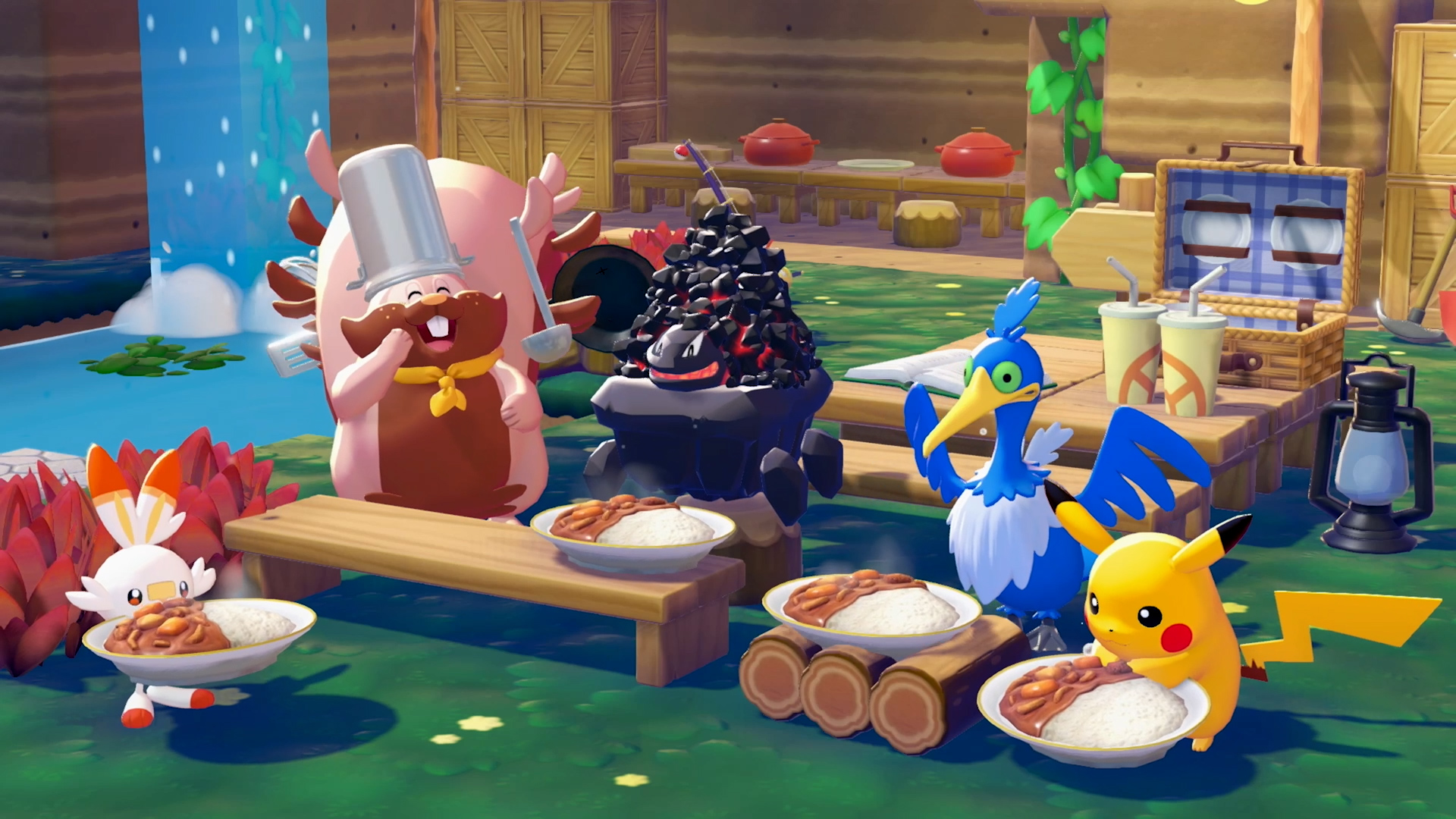
The sudden removal of Pickmos from Steam underscores the precarious position of games that tread close to established intellectual property lines. The publisher behind the Pokémon-Palworld clone pulled the title following internal review, citing the need to sanitize the project and promise a "controversy-free" rework. This immediate retraction serves as a stark warning shot to the entire market of creature-collecting, survival-crafting hybrids.
The incident is not merely a case of a game being delisted; it represents a critical inflection point in how third-party developers approach the massive success of games like Palworld. The market has proven ravenous for the gameplay loop—the combination of creature capture, base building, and combat—but the legal and cultural backlash associated with direct imitation remains a persistent threat.
The publisher’s pivot toward a "clean slate" suggests a recognition that the initial market appeal, while massive, was built on a foundation too fragile to sustain long-term commercial viability. Developers are now faced with a difficult choice: either drastically alter the core gameplay loop to avoid legal entanglement or risk the same fate as Pickmos.
The Allure and Legal Minefield of Creature Collecting
The Allure and Legal Minefield of Creature Collecting
The core appeal of the creature-collecting genre—the ability to train, battle, and utilize fantastical companions—is undeniable. This appeal has generated billions in revenue, cementing the genre as a reliable pillar of the gaming industry. However, the legal framework surrounding these mechanics, particularly when mimicking the visual language of established franchises, is notoriously complex.
Pickmos attempted to capitalize on the massive surge in popularity following the release of Palworld, a game that successfully synthesized survival mechanics with creature-collecting gameplay. The market response proved that players were willing to embrace the concept more than the specific IP. Yet, the publisher’s swift action suggests that the perceived similarity was enough to trigger legal or PR concerns, regardless of the developer's intent.
The controversy surrounding the game’s initial release likely stemmed from the perceived lack of originality combined with the sheer magnitude of the market it was attempting to replicate. In the eyes of rights holders, or even critical industry observers, the game’s aesthetic and mechanics may have crossed a line from inspiration into infringement. This situation serves as a brutal reminder that market success does not equate to legal immunity.
The Economics of Sanitization and Redesign
The publisher’s decision to pull the game and promise a rework signals a calculated, high-stakes economic maneuver. Rather than abandoning the entire concept, the strategy is to sanitize the product, effectively stripping away the elements that triggered the controversy. This process of "sanitization" is costly, time-consuming, and fundamentally changes the product the consumer initially signed up for.
For developers, this means a significant pivot away from the most immediately lucrative, yet legally risky, features. The focus will shift from direct mechanical replication to developing unique, defensible systems. If the original draw was the creature-crafting synergy, the rework must find an equally engaging, yet legally distinct, way to deliver that feeling.
This pivot highlights a crucial trend: the increasing importance of IP diversification. Developers are learning that relying on the shadow of a mega-hit, no matter how successful that hit is, is a short-term play. Long-term success requires building a proprietary identity that cannot be easily dismissed as derivative. The rework must prove that the core fun factor is inherent to the game itself, not merely the subject matter.
Navigating the Post-Palworld Development Landscape
The market segment that Pickmos occupied is currently undergoing a period of intense scrutiny. Developers who wish to compete in the creature-collecting space must now operate with a heightened level of caution. The failure of Pickmos provides a clear, if painful, case study for the entire industry.
Going forward, successful titles in this space will likely emphasize unique selling propositions (USPs) that are deeply integrated into the game’s mechanics, rather than simply adding a creature-collection layer onto an existing survival framework. Examples include highly specialized crafting trees, unique environmental hazards, or deeply personalized progression systems that move beyond simple grind loops.
The industry is moving toward a more nuanced form of imitation—one that respects the spirit of the genre while aggressively defining its own rules. The publisher’s promise of a rework is not a guarantee of quality, but rather a promise of compliance, which is a vastly different metric for players and investors alike. The market will be watching closely to see if the resulting title can recapture the initial hype without sacrificing its newfound legal safety.