Overview
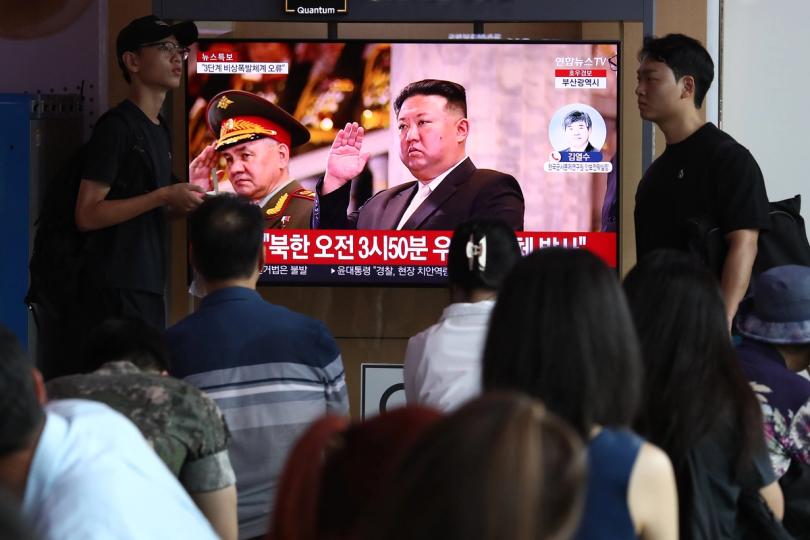
The continued, large-scale theft of cryptocurrency by North Korea presents a unique and escalating threat to the digital asset ecosystem. Unlike other state-sponsored hacking operations, Pyongyang’s involvement in crypto theft is not merely a means to an end; it is a core pillar of its economic survival. For the regime, cryptocurrency functions as a direct replacement for a completely sanctioned-out economy, giving it an urgency and focus that distinguishes it from its regional rivals.
This existential motive brings intelligence-agency patience and state resources to what is functionally organized financial crime. The goal is not to move money through a complex geopolitical network, but to acquire immediate, liquid value on a global scale. This necessity explains the pattern of large, traceable heists against public blockchains—a pattern that defies the typical playbook of state-level financial maneuvering.
Security analysts point to the structural difference in motive as the most dangerous element of the threat. While other nations may use crypto as an incidental tool to fund proxy wars or circumvent trade sanctions, North Korea treats the entire crypto infrastructure as a primary revenue stream, making the entire ecosystem a potential target.
The Existential Motive: Crypto as Economic Lifeline
The Existential Motive: Crypto as Economic Lifeline
For Pyongyang, the acquisition of hard currency via crypto is not a secondary objective; it is an economic imperative. The regime operates under comprehensive international sanctions, leaving its traditional export markets and financial rails effectively shut down. This lack of functioning trade partners means that the state has almost nothing left to sell or exchange in conventional markets.
In contrast, nations like Russia and Iran retain functional, albeit challenged, economies. Russia, for instance, still has commodity exports—oil and gas—and established trading partners willing to use workarounds. Similarly, Iran has goods and proxy financing networks to move. These countries view crypto as a useful, but secondary, payment rail to facilitate existing trade.
North Korea lacks this structural buffer. As one cybersecurity expert noted, the state needs direct, immediate revenue. Crypto theft provides access to liquid value globally, bypassing the need for any counterparty willing to conduct business with the DPRK. This fundamental difference transforms the motive from geopolitical evasion into pure, desperate financial necessity.
Targeting Infrastructure Not Geopolitics
The nature of the attacks reveals the difference between a state using crypto for commerce and a state using it for survival. When Russia or Iran interact with crypto, the goal is typically to move money to fund specific geopolitical aims—whether that is supporting regional proxies or disrupting election infrastructure. Their targets are often systems related to energy, government, or political dissent.
North Korea’s targets, however, are fundamentally infrastructural. They are not focused on disrupting a rival nation's power grid; they are focused on the mechanisms that hold value. Targets include major exchanges, wallet providers, and DeFi protocols. The ultimate victim is whoever holds the keys or has the administrative access to the infrastructure that safeguards those keys.
This approach suggests a highly organized, state-sponsored heist operation. The focus is on the plumbing of the financial system itself—the points of highest concentration of value and access. This makes the threat highly specialized, requiring deep technical penetration rather than simple financial routing.
The Unique Danger of State-Sponsored Heists
The combination of desperate economic need and sophisticated technical capability creates a uniquely dangerous threat profile. The urgency of funding weapons programs and maintaining regime stability means that the patience for failure is low, yet the resources dedicated to the attacks are immense.
The historical record shows that North Korean actors have demonstrated the capacity for sustained, complex infiltration. The six-month campaign against the Drift protocol, for example, rattled the industry and demonstrated a level of persistence and technical depth that few state actors can match. This is not opportunistic hacking; it is a sustained, strategic effort to establish a reliable, high-yield revenue stream.
The implication for the crypto industry is that the threat is systemic. Since the regime views crypto as its primary source of hard currency, it will continue to adapt and escalate its methods. The focus will remain on exploiting the structural weaknesses of the global, interconnected, and often poorly secured digital asset infrastructure.