Overview
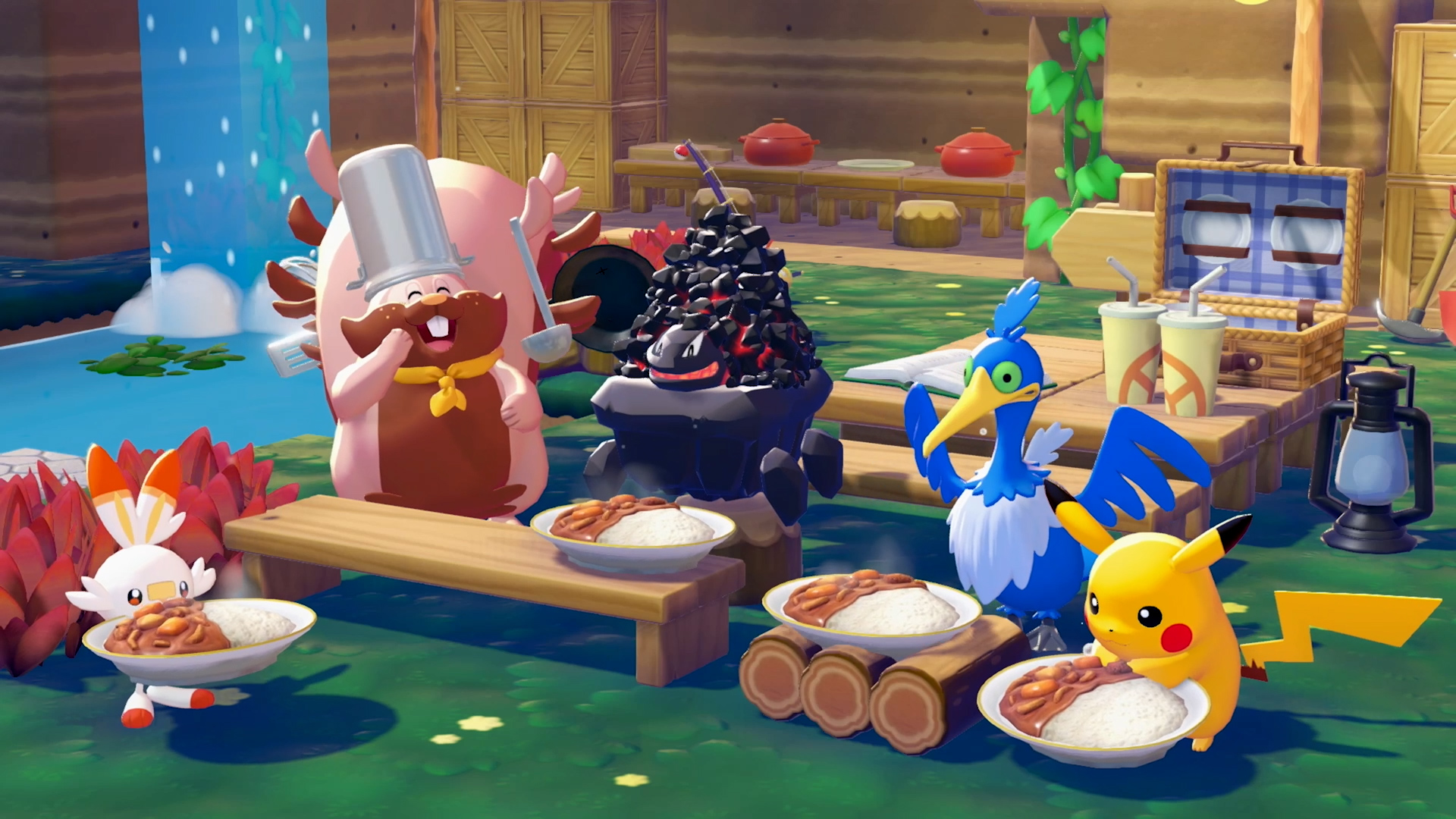
The United States Patent and Trademark Office (USPTO) issued a non-final ruling rejecting a key Pokémon patent, specifically one related to the "summon character and let it fight" mechanic. This setback represents a significant, if temporary, hurdle for Nintendo's intellectual property strategy, particularly concerning core gameplay loops that define the modern monster-collecting genre. The ruling, while non-final, signals increased scrutiny over how established franchises can legally monetize fundamental gameplay interactions.
This development arrives as the legal and cultural fallout from Palworld continues to deepen. The controversy surrounding the game's mechanics—particularly its open-ended creature capture and combat systems—is drawing intense attention from IP lawyers and industry observers. The juxtaposition of Nintendo's patent rejection and the ongoing Palworld legal skirmish creates a volatile snapshot of the current state of gaming IP law.
The core conflict revolves around the boundary between novel gameplay mechanics and protected intellectual property. When a game mechanic is foundational, as creature summoning and combat are to the Pokémon formula, the legal lines become notoriously blurry. The industry is currently grappling with whether mechanics themselves, or only the specific artistic execution and narrative elements, are truly protected by law.
The Legal Weight of Gameplay Mechanics
The Legal Weight of Gameplay Mechanics
The rejection of the Pokémon patent highlights the USPTO's cautious approach to patenting abstract concepts within video games. The patent in question sought to protect the specific method of summoning a creature and allowing it to engage in combat, a mechanic that has become virtually synonymous with the genre. Patent law typically favors concrete, non-obvious implementations, and the USPTO's decision suggests that the basic concept of "summon and fight" is either too fundamental or too widely practiced to warrant protection.
This outcome sends a clear signal to developers: simply defining a core gameplay loop is insufficient for patent protection. The strength of the IP must reside in the unique combination of elements—the specific art style, the proprietary user interface, or the unique system interactions—rather than the underlying concept of combat itself. For major players like Nintendo, this ruling necessitates a strategic pivot, forcing them to rely more heavily on trademark protection for brand identity and trade dress, rather than attempting to lock down mechanics.
The rejection is not an end to Nintendo's IP strategy, but it is a significant reminder that the legal landscape surrounding creature-collecting games is highly contested. It forces the industry to confront the reality that mechanics are often treated as building blocks, available for use across competing titles, provided the implementation is sufficiently distinct.
Palworld and the IP Battleground
The backdrop to Nintendo's patent setback is the persistent legal and cultural battle surrounding Palworld. The game, which gained massive traction by blending creature collection with open-world survival and crafting, has drawn scrutiny precisely because of its mechanical similarities to established IPs. The core controversy centers on the mechanics of creature capture, customization, and combat, which mirror elements of the Pokémon formula.
While the specific legal actions against Palworld are complex and evolving, the general tension illustrates the high-stakes environment for any game that successfully replicates a successful formula. The industry is watching to see if the legal challenges will focus on direct copyright infringement (copying specific art or code) or on the more nebulous concept of "systemic theft" (copying the functional mechanics).
The Palworld situation underscores the economic incentive for developers to mimic successful formulas. When a genre proves profitable, the temptation to replicate its core loop is immense. The ongoing legal noise serves as a warning to all developers: while the creative freedom to build upon existing genres is high, the line between inspiration and infringement remains razor-thin, particularly when dealing with globally recognized IPs.
The Future of IP in AI-Driven Gaming
The convergence of AI and gaming mechanics adds another layer of complexity to the IP debate. As AI tools become capable of generating assets, writing code, and even designing entire gameplay systems, the concept of "originality" becomes exponentially harder to define legally. If an AI can generate a combat system that combines elements of multiple existing games, who owns the resulting IP?
The Pokémon patent rejection, viewed through the lens of generative AI, suggests that the legal focus will shift away from the idea (e.g., "a creature that fights") and toward the specific, verifiable output (e.g., the unique algorithm, the proprietary data structure, or the specific visual rendering). Developers must now build IP walls around the unique, non-functional aspects of their game.
This environment favors modular design and highly proprietary systems. Instead of relying on a single, overarching mechanic, future AAA titles are likely to emphasize unique, interlocking systems—a proprietary crafting tree, a unique combat resource management system, or a novel narrative structure—that cannot be easily replicated by simply swapping out a creature roster.