Overview
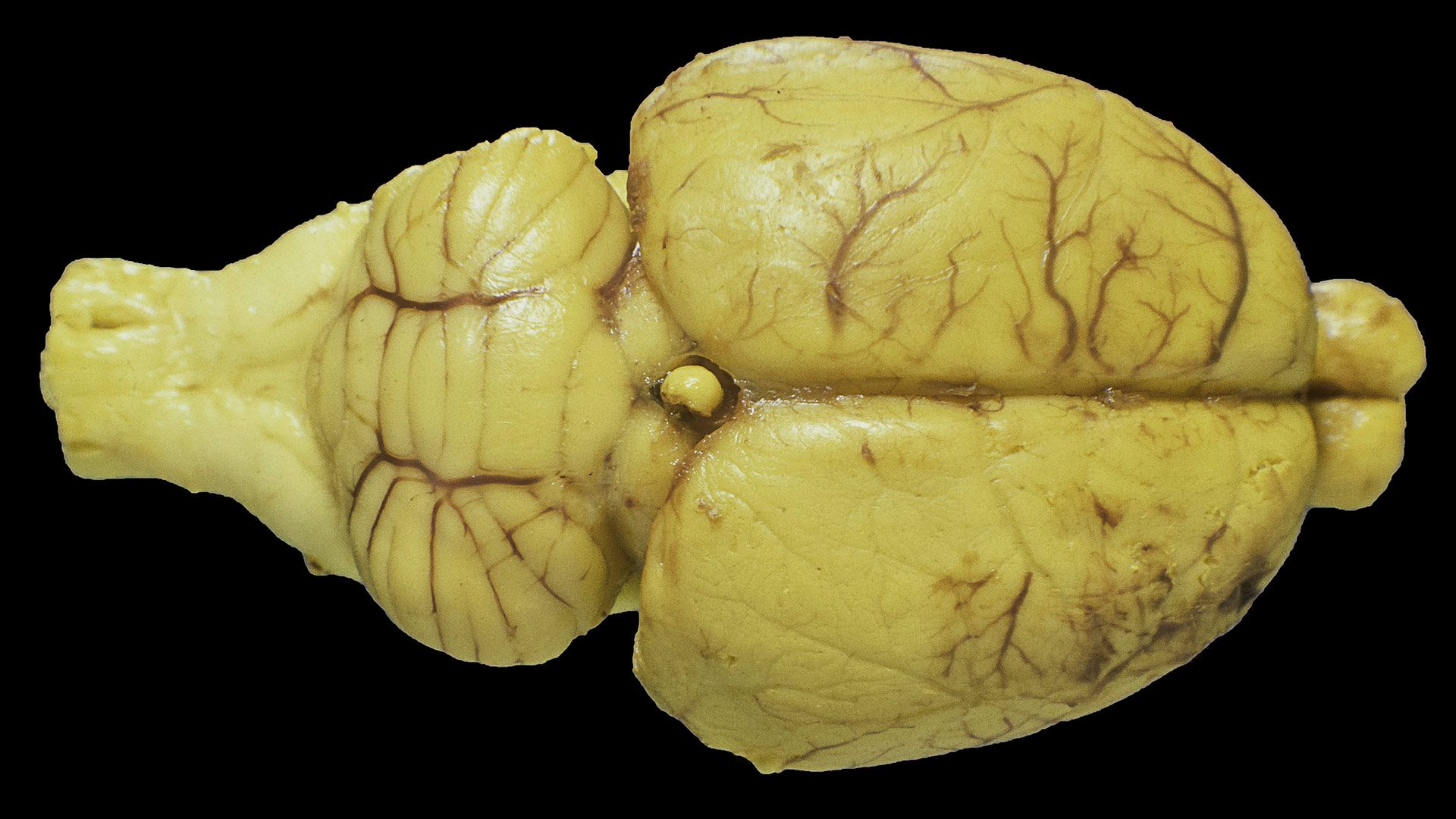
Researchers have successfully trained living rat neurons to execute real-time machine learning computations, moving the concept of artificial intelligence from pure silicon models into the biological domain. This breakthrough suggests a tangible pathway toward next-generation brain-machine interfaces (BMIs) that could bypass current limitations in signal processing and integration. The experiment involves interfacing complex computational tasks with the inherent electrical signaling of living neural tissue, a feat that challenges decades of purely digital AI development.
The methodology centers on optimizing the communication between implanted electrodes and the biological circuitry of the rat brain. By forcing neurons to perform tasks analogous to machine learning—such as pattern recognition or classification—scientists are essentially proving that complex, structured computation can be maintained and modulated within a living, dynamic biological system. This is not merely recording activity; it is actively directing and utilizing the brain's computational power for external, artificial goals.
This development represents a significant pivot point in neurotechnology. While current BMIs primarily focus on decoding motor intent for prosthetic control, this research expands the scope dramatically. The ability to make neurons compute in real time opens up possibilities for truly bidirectional interfaces—systems that not only read brain signals but also write complex, directed computational information back into the neural network.
Neuromorphic Computing Meets Biology
Neuromorphic Computing Meets Biology
Neuromorphic computing proposes mimicking the efficiency of the biological brain, but achieving this efficiency in a controlled, scalable manner remains elusive. This rat study provides a critical, living testbed for that hypothesis.
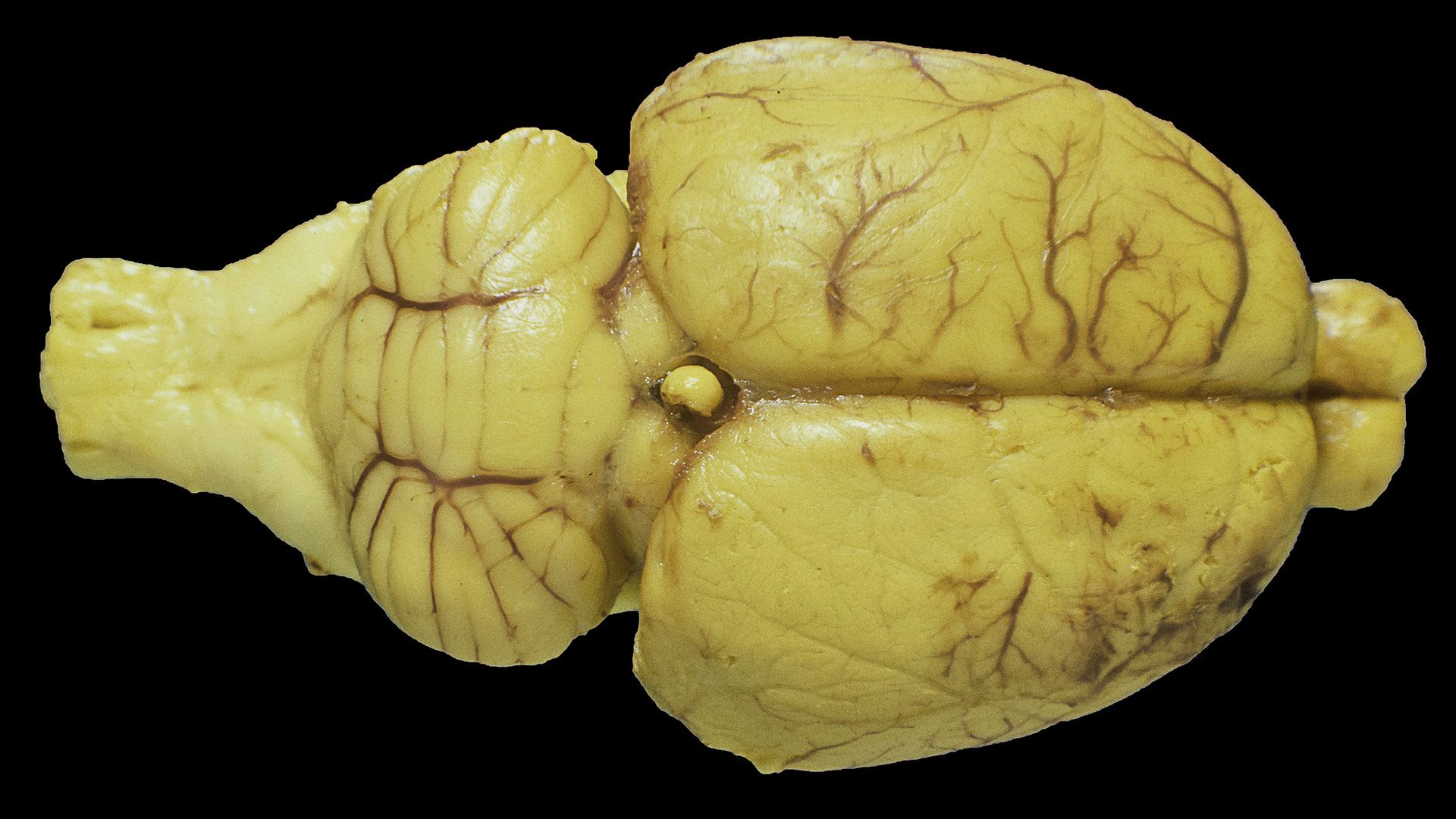
The research details the use of sophisticated electrode arrays designed to interface minimally invasively with the rat's cortex. These arrays act as both sensors and stimulators, allowing researchers to precisely measure the firing patterns of individual neurons while simultaneously introducing targeted electrical signals. The goal is to teach the neural network a specific computational function, such as distinguishing between two complex visual patterns or classifying a sequence of stimuli.
By observing how the neurons adapt and strengthen their connections (a process mirroring synaptic plasticity), the researchers can fine-tune the computational load. This process moves beyond simple signal reading; it is a form of directed, closed-loop computation. The implications for energy efficiency are profound. A biological system, operating at the scale of a rat brain, performs computation orders of magnitude more efficiently than even the most advanced silicon chip, provided the interface can be maintained and scaled.
Implications for Advanced Brain-Machine Interfaces
The most immediate and impactful application of this work lies in the evolution of BMIs. Current commercial BMIs, while revolutionary, often function as sophisticated transceivers—they read signals (e.g., "I want to move my hand") and translate them into digital commands for a prosthetic. They are largely unidirectional in their computational goals.
The ability to train neurons for real-time computation suggests a future where the interface is not just a translator, but an active computational extension of the brain. Imagine a system that doesn't just read a visual input but processes it through a trained neural circuit to predict an outcome, and then uses that prediction to modulate the user's own neural activity—a form of closed-loop cognitive augmentation.
Furthermore, this research addresses the critical issue of data throughput and latency. By utilizing the native electrical pathways of the brain, the system inherently operates at biological speeds and through biological architecture, potentially overcoming the bandwidth bottlenecks associated with traditional wired or wireless digital interfaces. This shift is crucial for integrating AI into highly complex, real-time cognitive tasks.
Scaling the Model to Human Application
Translating successful animal research into viable human medical technology involves navigating massive biological and engineering hurdles. However, the principles demonstrated in the rat model—the successful, directed computational training of living tissue—establish a crucial proof of concept.
The next phase of research must focus on longevity, stability, and scalability. Maintaining the integrity of the electrode-neuron interface over years, and potentially decades, is a major engineering challenge. Furthermore, the computational models must be refined to handle the sheer complexity of the human cortex, which possesses vastly more interconnected nodes than the rat brain.
Despite the gap between a rodent model and human application, the foundational understanding gained is invaluable. It provides a roadmap for how to structure computational tasks to align with biological learning mechanisms. The ultimate goal is to create an AI co-processor that can be implanted, trained, and utilized to enhance specific cognitive functions, ranging from treating severe paralysis to augmenting memory or processing sensory input.