An unusually split reception for a Star Wars LEGO launch
LEGO Star Wars releases typically drive unanimous community enthusiasm — at worst, mixed. The 2026 Yoda Bust (75438) and Darth Vader Bust (75439) broke the pattern. Launch-window reviews across Brickset, Jay's Brick Blog, BrickNerd, and community discussion on Reddit and Discord split roughly 50/50 between strong endorsement and pointed critique.
The split isn't random. It follows predictable collector-preference lines. Collectors who prioritize display presence and sculptural format above sculptural fidelity have generally embraced both busts. Collectors who prioritize character-model accuracy — proportions, facial features, helmet silhouette — have been harder sells, particularly on the Yoda bust.
That split matters because it indicates the sets succeeded at some objectives and missed others. Neither bust is a clean win or a clean failure. The nuance is what this article unpacks.
75438 Yoda Bust and 75439 Darth Vader Bust launched in 2026 as display-only Star Wars sculpture
The Yoda bust: where the sculpting critique lands
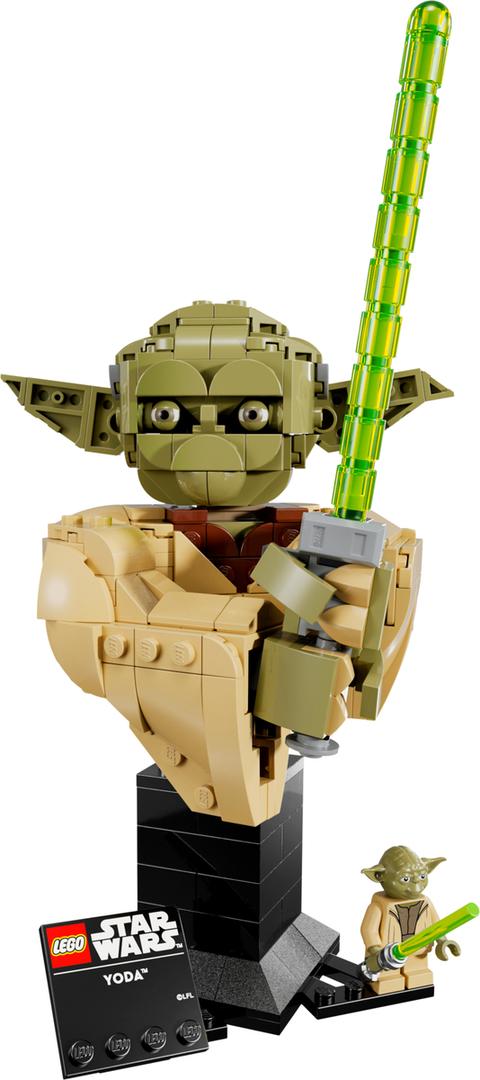
75438 Yoda Bust draws the sharpest reviewer criticism, and the criticism clusters around face sculpting specifically.
The concerns most reviewers have called out: (1) ear placement and proportion — Yoda's distinctive long-pointed ears are shorter and set lower on the LEGO build than source material suggests. (2) eye size and spacing — the eye placement feels slightly too wide-set for fidelity to animated reference. (3) overall head-to-body proportion — Yoda's iconic small-frame, large-head silhouette is less pronounced at the LEGO bust scale than collectors expected.
Reviewers have framed the concerns carefully. This is not a "bad" Yoda build in the sense of being visibly-flawed LEGO construction. The sculpting uses current-gen LEGO pieces and coloring accurately. The issue is that Yoda is one of the most-recognizable character faces in cinema, and even subtle proportion choices get scrutinized heavily. LEGO's designers worked within real constraints of LEGO parts — the ears specifically are built from part geometries that constrained how long they could be made — but the constraints produced a Yoda that doesn't quite land for fidelity-first collectors.
Brickset's review described the bust as "a solid build with a Yoda that reads as approximately Yoda rather than definitively Yoda." That's the cleanest summary of the critique.
Yoda Bust
Yoda Bust — sculpted face proportions drew the sharpest criticism in the launch reviews.
Darth Vader Bust
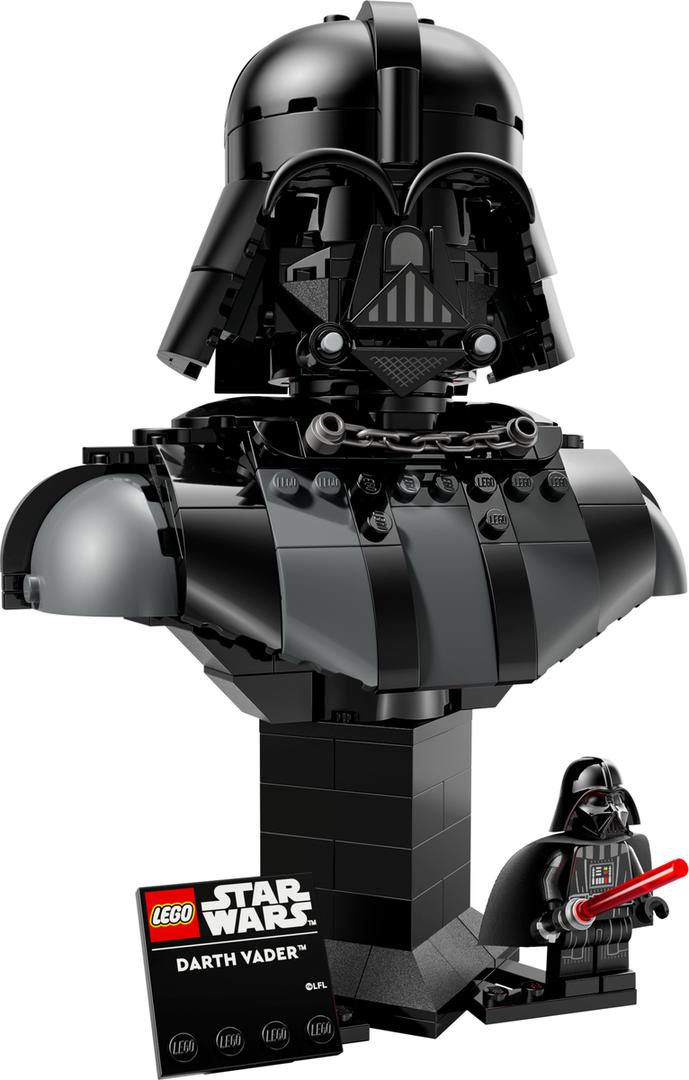
Darth Vader Bust — helmet silhouette praised, best-reviewed of the two.
The Vader bust: where the silhouette works
75439 Darth Vader Bust draws noticeably better reception than its Yoda counterpart. The Vader helmet silhouette — the lower-mandible cheek guards, the crown of the helmet, the eye slits, the chest panel detail — hits source-material fidelity more cleanly.
This tracks with an intuitive design-difficulty observation. Vader is sculpted as a helmeted character. LEGO's design team has decades of experience building helmet-scale Star Wars sculptures through the Helmet Collection line (75304 Darth Vader Helmet, 75328 The Mandalorian Helmet, etc.). The bust format extends the helmet-plus-chest collar silhouette, which LEGO knows how to execute reliably.
Yoda, by contrast, is sculpted as a face-first character — wrinkles, skin texture, ear geometry, expressive eyes. That's a harder problem for LEGO's part library to solve than helmet silhouette. The fact that Vader reviews cleaner and Yoda reviews messier reflects the specific design challenges of each character rather than overall LEGO execution decline.
The Vader bust also benefits from scale presence. At full display size, the bust reads as imposing in a way collectors have called "appropriate to Vader's on-screen presence." BrickNerd's review called it "the clearest successor to the Vader Helmet (75304) in LEGO's sculpture inventory, with expanded silhouette doing the expansion right."
Price-to-value and the comparison to the Helmet Collection
Both busts ship with zero minifigs and zero play features. They are pure display sculpture. That positioning creates a direct comparison with LEGO's existing Helmet Collection line, which occupies the same display-sculpture category at lower piece counts and lower price points.
The Helmet Collection sets (Vader Helmet 75304 at 834 pieces, Boba Fett Helmet 75277 at 625 pieces, Luke Pilot Helmet 75327 at 675 pieces, etc.) have set collector expectations for what a LEGO display sculpture should cost. Those sets typically ship in the $60-80 MSRP range.
The 2026 busts push into higher piece counts and higher MSRPs — LEGO's pricing lands the Yoda and Vader busts closer to $100-130 depending on region. The jump is defensible given the larger sculptural scope (full bust with chest and shoulders rather than just helmet), but it creates a value-sensitivity moment for collectors doing cost-per-piece math.
Reviewers who have argued the busts over-price are typically comparing them against the Helmet Collection cost structure. Reviewers who have argued the busts are appropriately priced are treating them as a larger-scale format evolution rather than a direct Helmet Collection replacement. Both framings have merit. Your personal answer on price-to-value depends on which reference set you use.
The availability signal: neither bust has sold out
Star Wars LEGO launches in 2026 have shown a clear split in demand intensity. The January midi wave (75420-75427) and the Venator (75441) sold through briskly. The April Mando/Grogu wave has moved smoothly. Pokemon launches have repeatedly sold out.
The Yoda and Vader busts have not. Both sets have maintained stable LEGO.com availability through their launch window and into spring. Amazon inventory remained in stock throughout. Target and Walmart physical inventory was consistently available.
The availability pattern tells a story. When LEGO launches sets that align perfectly with demand — the midi wave, the Venator, Pokemon — inventory moves. When the reception is more mixed, demand softens, and inventory stays on shelves. The busts' sustained availability is a real-time market signal that the reception split is accurate to actual purchase behavior, not just a vocal-minority review phenomenon.
For buyers, the practical upshot: there is no urgency. These sets are not the "buy now before they sell out" situation that has defined other 2026 LEGO launches. You can wait, watch for post-launch promotional discounts (LEGO.com has already cycled the busts through VIP double-points promotions), and pick up either bust at improved pricing if you decide you want one.
Venator-Class Attack Cruiser
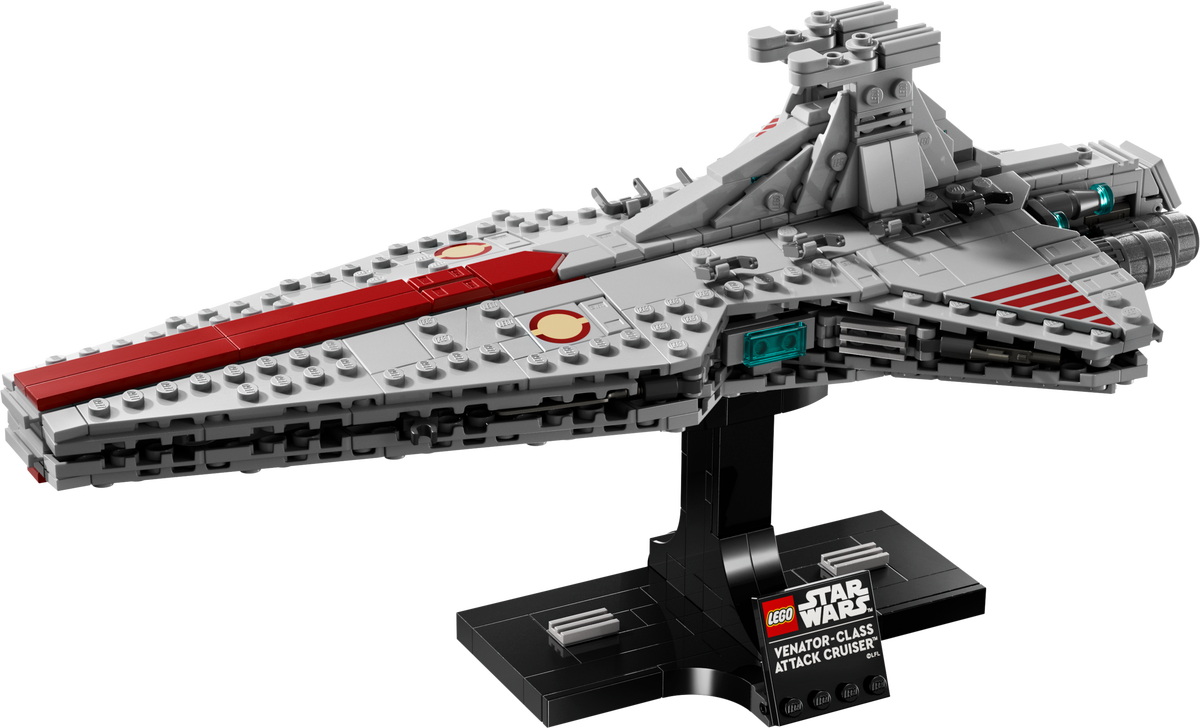
The Venator — reviewer consensus on sculptural execution, for comparison.
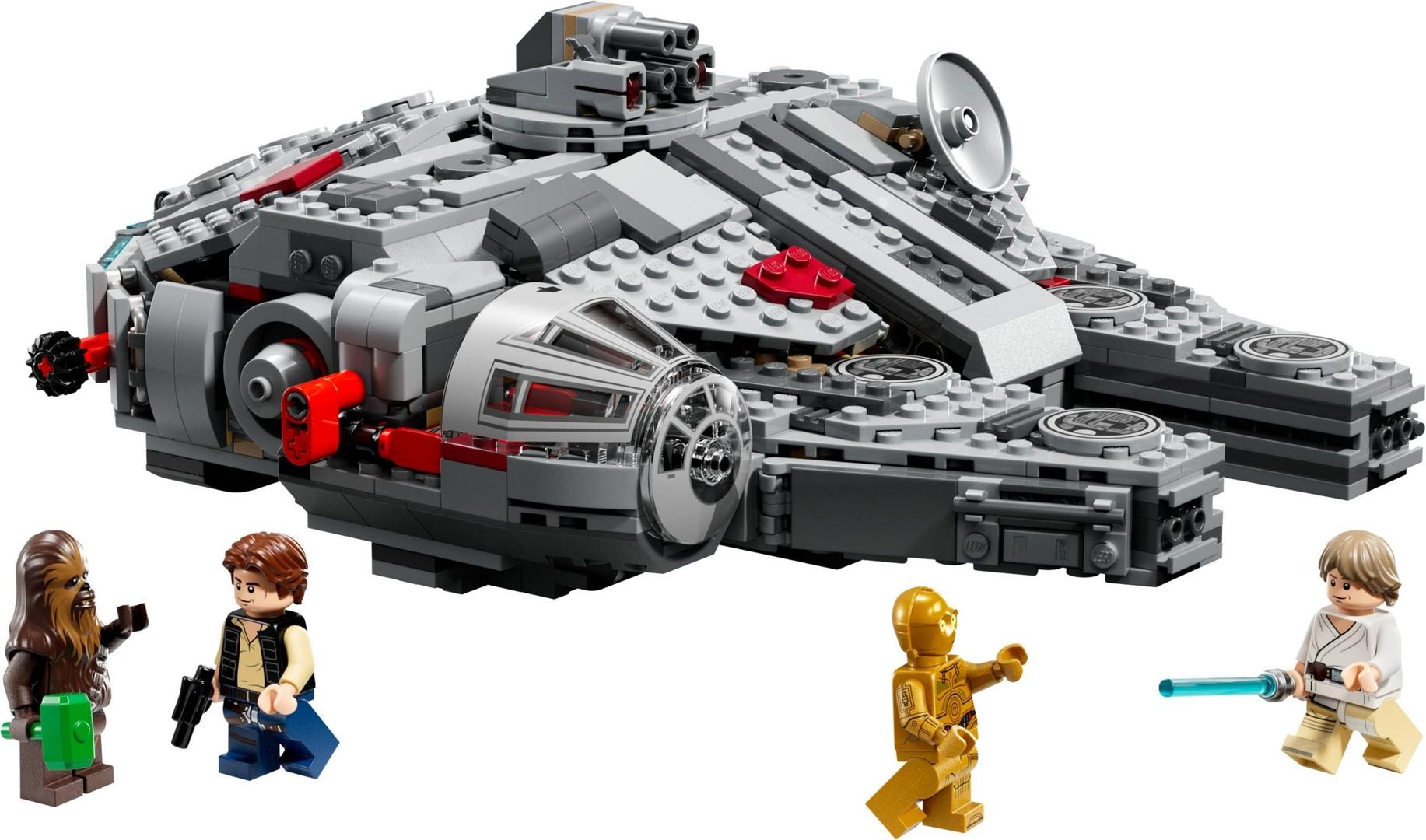
Millennium Falcon
Midi Millennium Falcon — pairs with either bust for a diverse display shelf.
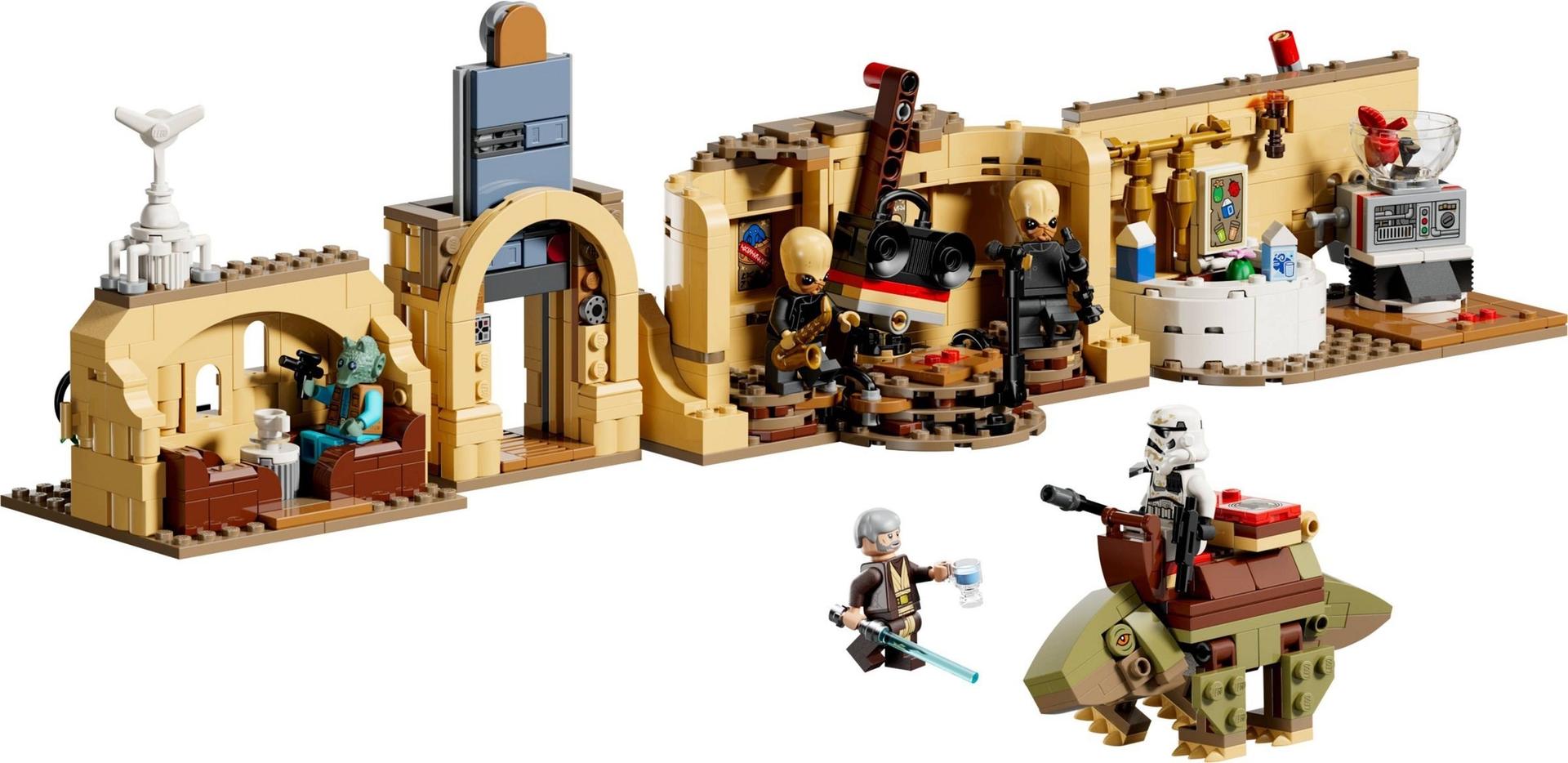
Mos Eisley Cantina
Mos Eisley Cantina — adds location context to a bust-centered Star Wars display.
Who should still buy the busts
The busts aren't for everyone, but they are for specific collector types. Here's the honest buying guide.
Buy 75439 Darth Vader Bust if: you're building a display-shelf collection, you own and enjoyed the Vader Helmet (75304) and want the expanded sculpture format, you value silhouette fidelity (which the Vader bust delivers), you have shelf space appropriate to the larger scale, or you want the definitive 2026 LEGO Vader display piece. This is the recommendation most reviewers landed on regardless of their overall stance on the bust category.
Buy 75438 Yoda Bust if: you prioritize character-ownership completeness over proportion purism, you're a Jedi/prequel-era collector who needs the counterpoint to a Vader bust, you enjoy the build experience regardless of the final-figure critique, or you're planning to customize the bust with minor tweaks (the LEGO fan-modification community has already published ear-extension and eye-adjustment MOCs for the Yoda base). Approach this set with realistic expectations on the face sculpting.
Pass on both if: you want minifigs in your Star Wars LEGO sets (both ship with zero), you prefer play features to static display (both have none), you prioritize cost-per-piece efficiency (the busts don't optimize for that), or you already own Helmet Collection sets that occupy your Star Wars display-sculpture space and don't need to expand the format.
The takeaway for the broader LEGO Star Wars category: even in a banner year — and 2026 is LEGO's strongest Star Wars year in recent memory — not every release nails every collector preference. The midi wave, the Venator, and the Mando/Grogu April drop are all widely-loved. The busts are the exception, and that's honest product-line criticism rather than a sign of broader decline.