Overview
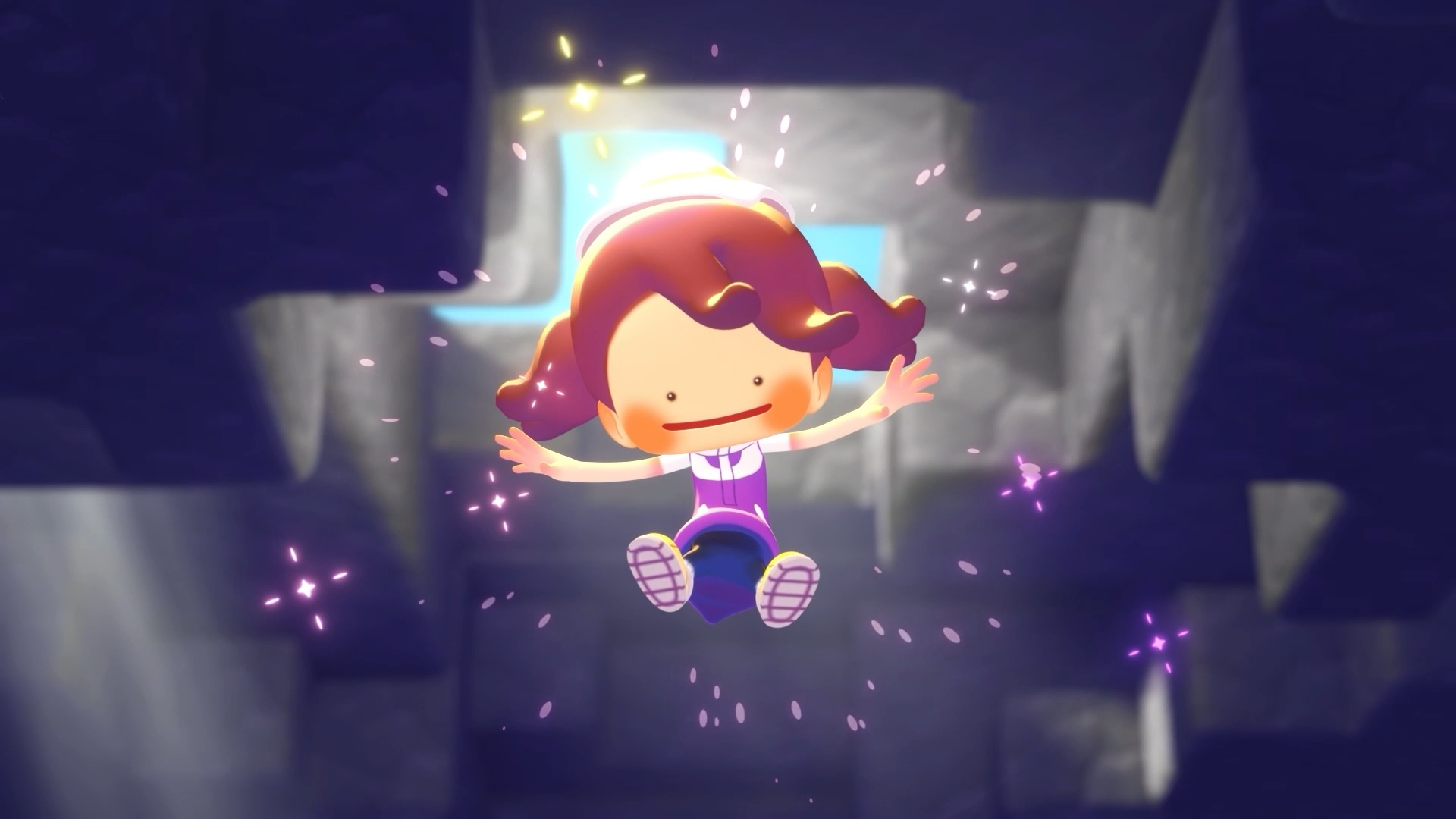
Kena: Bridge of Spirits arrives on the Nintendo Switch 2, cementing its status as one of the most visually stunning and emotionally resonant platforming adventures available on the console. The title, which debuted on PS5/4 in 2021, showcases blockbuster visuals and a sweeping orchestral score, making it an undeniable entry point for fans of highly stylized, character-driven gaming experiences. The game’s success lies in its unique blend of beautiful exploration and light combat, wrapped in a narrative that is both melancholic and deeply charming.
The core premise follows Kena, a spirit guide who navigates a land corrupted by darkness. Her quest involves ushering the grieving dead into the next phase of existence while cleansing a blighted forest. This journey is not merely a series of platforming challenges; it is an emotionally complex exploration of loss and remembrance, making the world itself a character.
Developer Ember Labs, a studio with prior ties to Nintendo—having created the animated short Terrible Fate (2016), which detailed the origin of the Skull Kid from Majora's Mask—brought a unique pedigree to this title. This partnership with animation studio Sparx resulted in a cohesive, Pixar-like aesthetic that defines the game’s unique artistic achievement.
The Synergy of Exploration and the Rot Critters
The Synergy of Exploration and the Rot Critters
The gameplay loop hinges on two distinct, yet complementary, mechanics: environmental puzzle-solving and combat. The primary focus, however, remains the exploration, which is given structure by the introduction of the Rot. These tiny, adorable creatures are integral to the world-cleansing process. They pop out of jars, hide behind rocks, and guide Kena through the environment, serving as both utility tools and narrative guides.
The Rot are essential for progressing through the blighted land. They help solve puzzles by moving objects or restoring toppled shrines. More critically, they are used to clear the blight that has consumed the forest. This is achieved by making corrupted flowers vulnerable to destruction, or by forming an amorphous creature that Kena directs to smash through environmental barriers. This mechanic elevates the simple act of traversing a level into a cooperative, puzzle-solving endeavor, making the environment feel alive and reactive.
When the action shifts to combat, the Rot retain their utility. They can heal Kena or swarm enemies, creating openings for the spirit guide. Kena utilizes a staff and a bow, engaging in simple combos, parries, and deploying a protective bubble shield. While the combat system is functional, it lacks the depth and mechanical complexity found in the exploration phase. The combat is serviceable, but the sheer delight derived from the visual splendor and the narrative weight of the world often overshadows the mechanical engagement of the fighting itself.
Visual Splendor vs. Combat Depth
Visually, Kena: Bridge of Spirits is a technical marvel. The world is rendered with such care that it feels like stepping into a meticulously crafted, living diorama. The blend of lush, vibrant nature with the underlying sadness of the lost spirits creates an oddly melancholy but beautiful atmosphere. The visual fidelity of the environments and the distinctive character models are the game’s most undeniable strengths.
However, the game's biggest structural weakness resides in its enemy design. Despite the visual splendor of the environments and the characters, the enemies themselves often feel generic and predictable. They frequently take the form of twisted, humanoid trees, which is appropriate given that they spend most of their time rooted to the ground, attacking in highly predictable patterns. While the roster includes the usual archetypes—melee fighters, shield carriers, aerial threats, and magic users—the execution lacks variety.
Boss and sub-boss encounters punctuate Kena’s journey, but they rarely pose a genuine threat. The character's power rapidly increases through upgrades, quickly transforming Kena into a formidable force by the mid-to-late game. While the inclusion of four difficulty modes and collectible Charmstones allows players to tweak the challenge level, these additions do little to inject excitement or mechanical novelty into the core combat loop.
The Compulsion to Observe and Play
The most difficult aspect of Kena: Bridge of Spirits to critique is arguably its own overwhelming charm. The game generates a powerful sense of immersion that borders on compulsion. The sheer beauty of the world and the depth of the emotional storytelling make the player deeply invested in Kena’s mission.
This investment manifests in two specific, near-insurmountable difficulty spikes. The first is the constant, charming compulsion to interact with the companion critters, the Rot. The urge to make them "dance" or simply observe their antics can bring the game's forward momentum to a screeching halt. The second is the equally powerful urge to utilize the photo mode on nearly every lush vista or animated frame. This speaks to the game’s visual success, but it also highlights a design choice that prioritizes aesthetic appreciation over relentless forward momentum.
Ultimately, the game’s narrative threads—the melancholy stories of the village inhabitants and the spirits—are beautifully interwoven with moments of profound beauty and deep sadness. The experience is a masterclass in atmosphere, creating an emotional resonance that few modern platformers achieve.