Overview
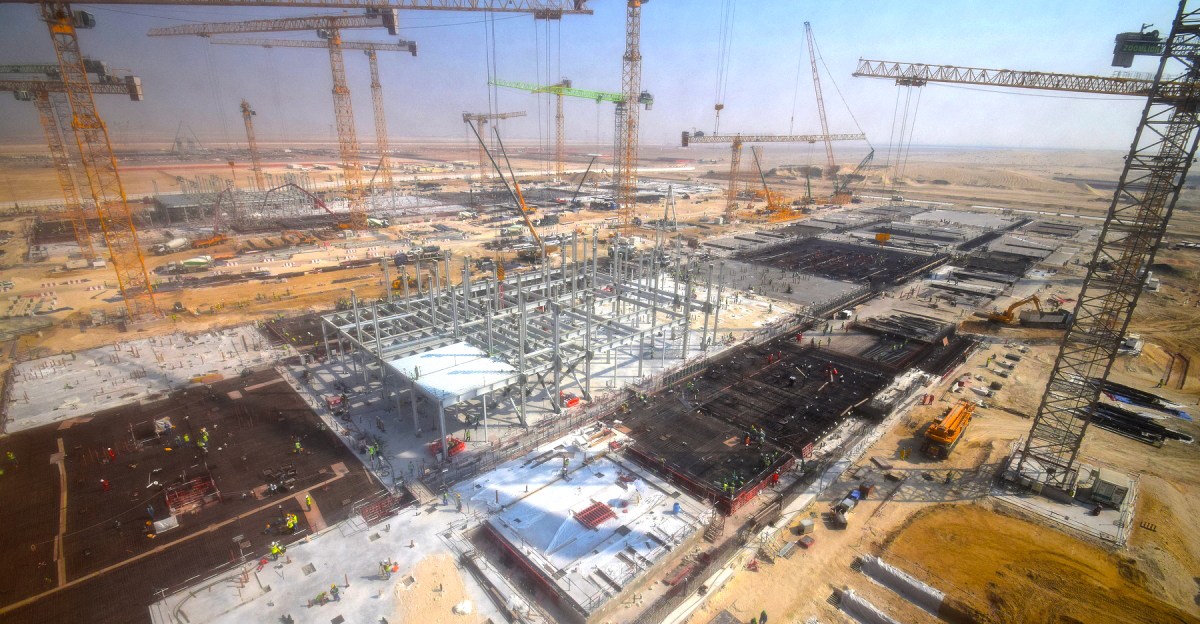
Iran's Islamic Revolutionary Guard Corps released a video explicitly threatening OpenAI's planned Stargate data center in Abu Dhabi. The threat is conditional, it would be carried out if the U.S. initiates military action against Iranian power infrastructure.
Stargate is designed to be a long-term compute hub for OpenAI's next generation of models. Its placement in the UAE reflects the region's growing role in global tech infrastructure. The explicit targeting of a private AI facility by a state military force marks a new intersection of technology investment and geopolitical risk.
The Strategic Value of AI Compute Infrastructure
The Strategic Value of AI Compute Infrastructure
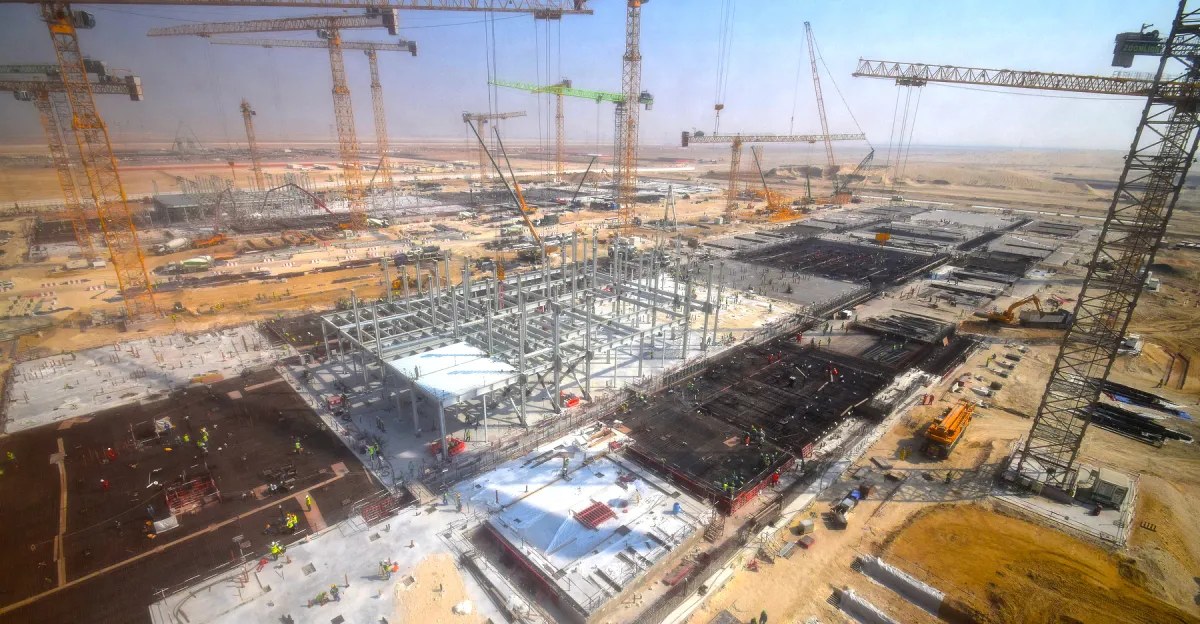
The development of frontier AI models requires unprecedented amounts of computational power, measured in petaflops. Facilities like Stargate are not merely buildings; they are critical nodes in the global digital economy, representing the physical manifestation of AI capability. The sheer scale of the planned compute capacity—estimated to be massive—makes these data centers strategic assets for any major power.
The decision to anchor such a facility in the UAE is driven by a confluence of factors: political stability, favorable regulatory environments, and access to deep-sea fiber optic cables. The Gulf region has aggressively positioned itself as a neutral, high-tech gateway, attracting investment that previously favored more established, but politically riskier, markets. For OpenAI, establishing a major presence in Abu Dhabi mitigates certain supply chain and regulatory risks associated with other global locations.
This infrastructure placement highlights a fundamental shift in global power dynamics. AI capability is no longer solely defined by research papers or algorithms; it is increasingly tied to the physical real estate, power grid stability, and logistical security of the data centers themselves. The protection of these facilities becomes a primary national security concern for the host nation.
Escalating Tensions and Digital Targeting
The IRGC’s threat is not an isolated incident of rhetoric; it fits into a pattern of escalating anti-Western rhetoric and demonstrated capability to target civilian and critical infrastructure. The explicit condition—a US attack on power plants—provides a clear trigger for the proposed action. This framing suggests that the threat is intended to act as a deterrent, warning that global technology assets are not immune to regional conflict.
Historically, state actors have used cyber and physical threats to exert geopolitical pressure, targeting everything from financial networks to energy grids. The inclusion of a major private AI facility like Stargate into this threat matrix is significant because it introduces the commercial, global nature of AI into the calculus of regional conflict. It suggests that the perceived value of AI compute is so high that it becomes a legitimate military target, regardless of its ownership or operational jurisdiction.
The threat effectively attempts to weaponize the perceived vulnerability of the global tech supply chain. By pointing to a specific, highly visible target, the IRGC aims to create systemic uncertainty, forcing global tech firms to factor geopolitical risk into their operational planning, thereby slowing or complicating the deployment of advanced AI.
The Global Race for AI Sovereignty
The incident underscores the intensifying competition for AI sovereignty—the ability of nations and corporations to control, develop, and deploy advanced AI technologies within their borders. For the UAE and the wider GCC region, hosting such a facility is a calculated move to solidify its position as a neutral, indispensable global tech hub.
The geopolitical implications extend far beyond the Gulf. As AI models become foundational to everything from defense systems to financial modeling, control over the underlying compute power becomes a matter of national survival. Nations are now viewing AI infrastructure through a national security lens, leading to increased scrutiny, export controls, and attempts to localize development.
This environment of competition means that every major market—from Singapore and India to the UAE—is engaged in a race to secure the necessary power, talent, and regulatory framework to host the next generation of AI infrastructure. The threat against Stargate serves as a stark reminder that even the most advanced, privately funded technological ventures operate within a volatile geopolitical framework.