The Digital Battlefield: Analyzing Iran’s Threat to Global Tech Infrastructure
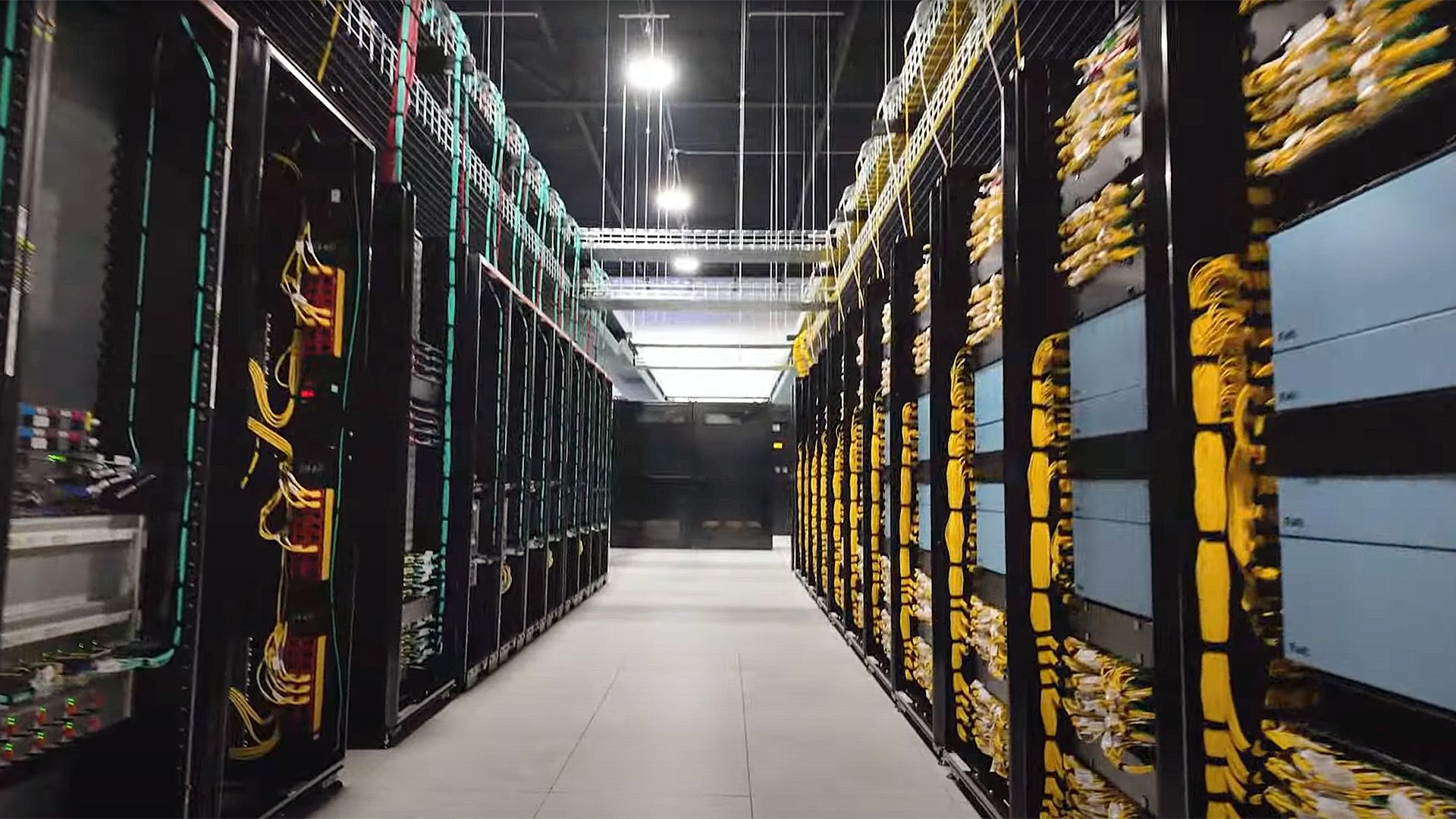
The global technology landscape, built on the invisible bedrock of data centers and high-performance computing, has suddenly found itself at the epicenter of a geopolitical storm. Reports are surfacing claiming that Iran has conducted strikes against critical infrastructure, specifically naming major data centers belonging to industry giants like Oracle in Dubai and Amazon in Bahrain.
These claims are not merely about physical damage; they represent a profound escalation in the use of technology as a weapon of statecraft. By targeting the physical locations where the world’s most valuable data—and the most powerful AI models—are stored and processed, Iran has sent a clear, chilling message: no major tech player is safe.
The threat matrix has expanded far beyond regional hubs. According to reports, the focus is now shifting toward the very companies that power the modern digital economy: Nvidia, Intel, and others who provide the essential hardware and software backbone for artificial intelligence. This isn't just a conflict of nations; it is a direct challenge to the stability and continuity of the global digital age.
The Digital Battlefield: Analyzing Iran’s Threat to Global Tech Infrastructure
The Immediate Targets: Assessing the Damage to Regional Data Hubs
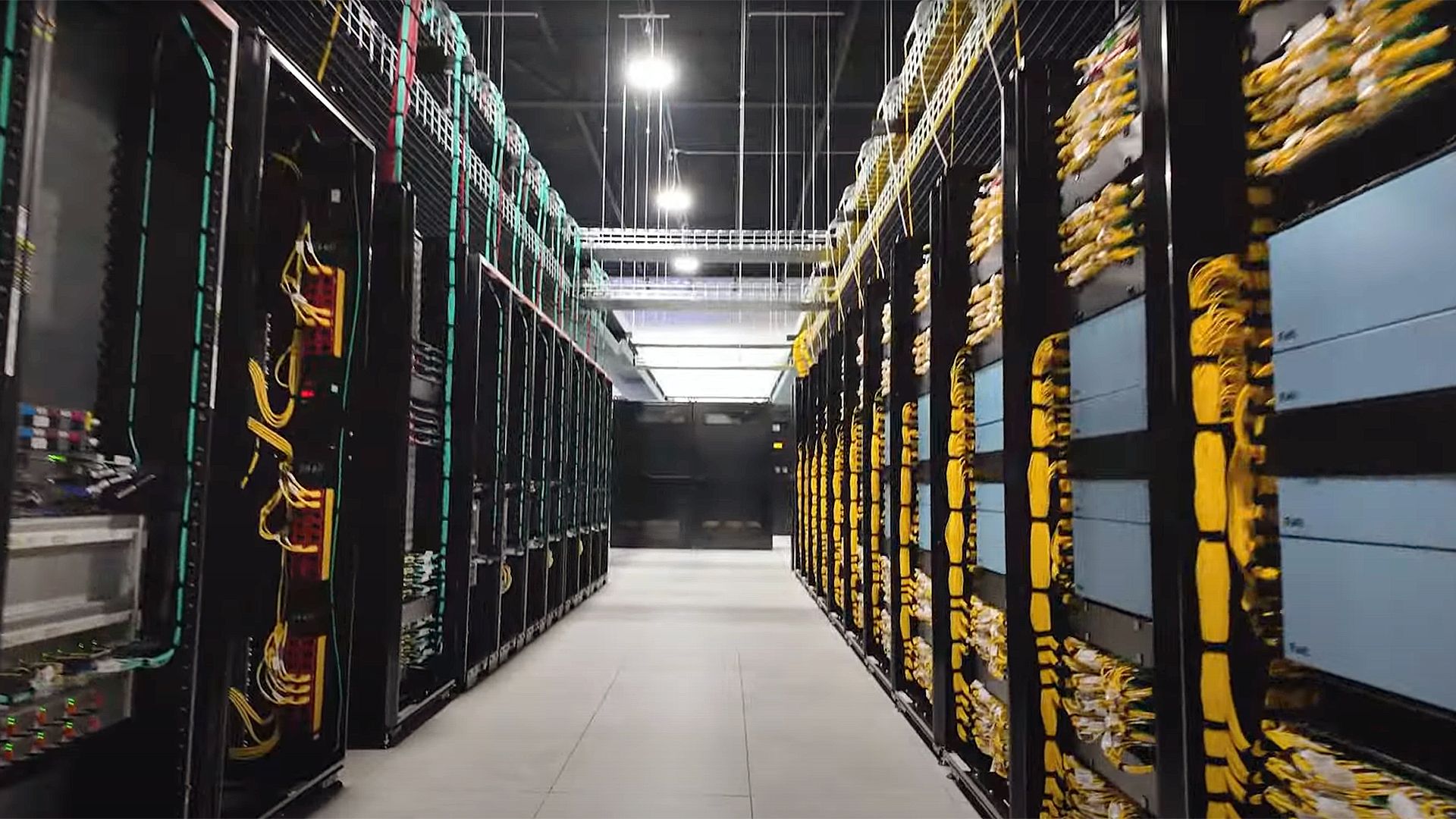
The initial claims of strikes on high-profile data centers in the Gulf region raise immediate and serious questions about the resilience of global infrastructure. Data centers are not just server rooms; they are the lifeblood of modern commerce, finance, and communication.
When a facility like Oracle’s or Amazon’s is compromised, the fallout is immediate and far-reaching. These facilities house petabytes of data—everything from banking records and healthcare information to proprietary AI training models. The ability to maintain continuous operation (uptime) is paramount. A successful attack, whether physical or cyber, could cause cascading failures across multiple industries.
The strategic importance of these regional hubs cannot be overstated. The Middle East has rapidly become a crucial nexus for data storage and cloud computing, attracting massive investment from global tech players seeking redundancy and proximity to rapidly growing markets. For the world’s largest tech companies, these centers represent vital operational pillars. The threat here is twofold: disruption of services and the potential for data exfiltration.
Why Nvidia, Intel, and AI Hardware are Now Prime Targets
The most alarming aspect of the threat is the explicit targeting of foundational technology providers like Nvidia and Intel. These companies do not run the data centers themselves; rather, they manufacture the specialized components—the GPUs, CPUs, and advanced processors—that *make* the data centers function.
The current global race is centered on Artificial Intelligence. AI models, whether they are powering generative text, advanced medical diagnostics, or autonomous vehicles, require immense computational power. This power is provided by specialized hardware, and the market leaders in this space are Nvidia (with its powerful GPUs) and Intel (with its evolving processor architecture).
By threatening these companies, Iran and similar state actors are attempting to achieve a strategic chokehold. They are not attacking the data itself; they are attacking the *ability to process* the data.
If the supply chain for advanced semiconductors is disrupted, or if the intellectual property of these core technologies is compromised, the entire trajectory of AI development—the engine of the next industrial revolution—could be severely hampered. This moves the conflict from mere cyber warfare into the realm of economic and technological warfare.
Global Resilience: How Vulnerable is the Digital Backbone?
The sheer scale of the threat forces a critical examination of global tech resilience. The interconnected nature of modern infrastructure means that a localized attack can trigger a global slowdown.
Tech giants are already investing billions into hardening their physical and digital perimeters. This includes building redundant facilities, diversifying power sources, and implementing advanced zero-trust security models. However, the threat landscape is evolving faster than the defenses.
The incident highlights the urgent need for:
1. **Geographic Diversification:** No single region or set of providers can be considered fully secure. Companies must spread their critical data and processing capabilities across multiple, politically stable jurisdictions. 2. **Supply Chain Redundancy:** Governments and corporations must develop strategies to mitigate the risk of a single point of failure in the semiconductor supply chain. 3. **International Cooperation:** Cybersecurity is no longer a national issue. It requires unprecedented levels of cooperation between governments, private industry, and international bodies to establish shared defense protocols.
The narrative surrounding this conflict is a stark reminder that in the 21st century, physical borders are less important than digital ones. The greatest vulnerability is not a lack of technology, but the concentration of that technology in predictable, high-value targets.
Conclusion: The Price of Progress
The claims made by Iran and the subsequent threats against global tech leaders are more than just headlines; they are indicators of a fundamental shift in global power dynamics. They signal that the digital infrastructure that underpins our modern lives—the data centers, the AI chips, the cloud services—has become a primary, high-value military target.
While the immediate threat level remains fluid, the long-term implications are clear: the cost of doing business in the digital age now includes a massive geopolitical risk premium. The race for AI dominance is now inextricably linked to the struggle for physical and digital security.