The name matters more than it sounds
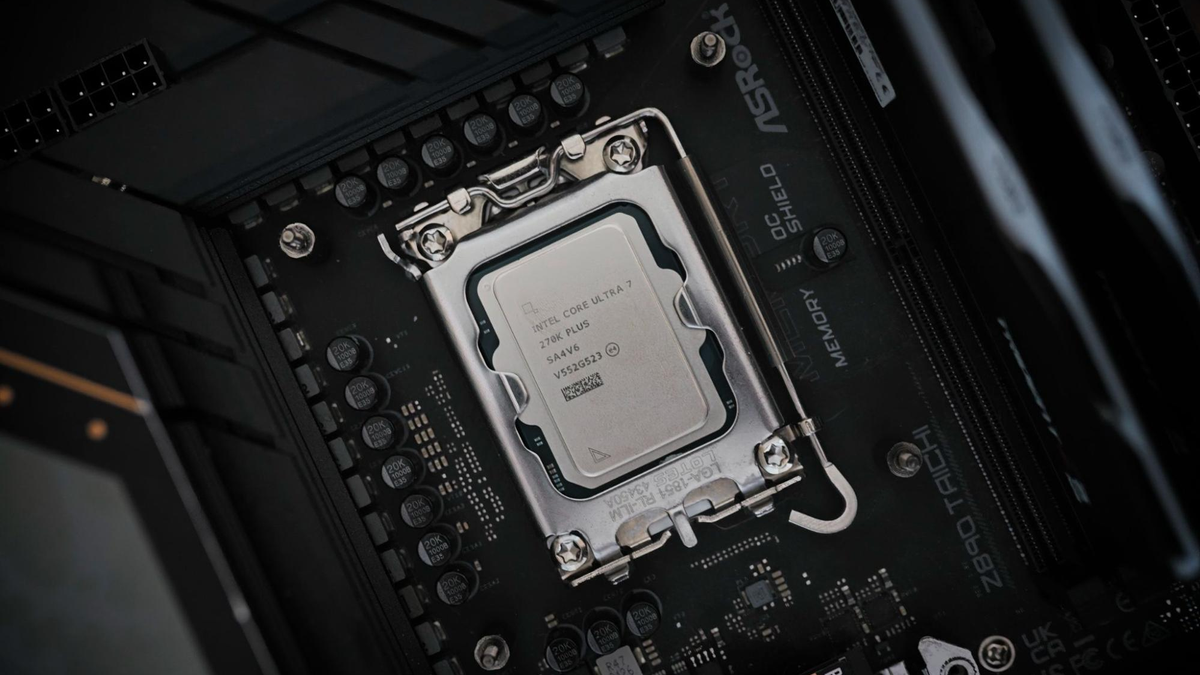
A product name can sound boring, but it matters. When Intel says Arc G3 out loud, the handheld conversation changes a little. It is no longer just leaked specs and code names. It starts becoming something Intel is willing to attach to its public gaming story.
That matters for buyers because handheld PCs are already confusing. Core Ultra, Arc, Ryzen Z, AI labels, Extreme labels, memory speeds, wattage limits. A clear graphics tier gives people something easier to follow.
Intel publicly using Arc G3 makes the branding feel more real.
Why handhelds need their own story
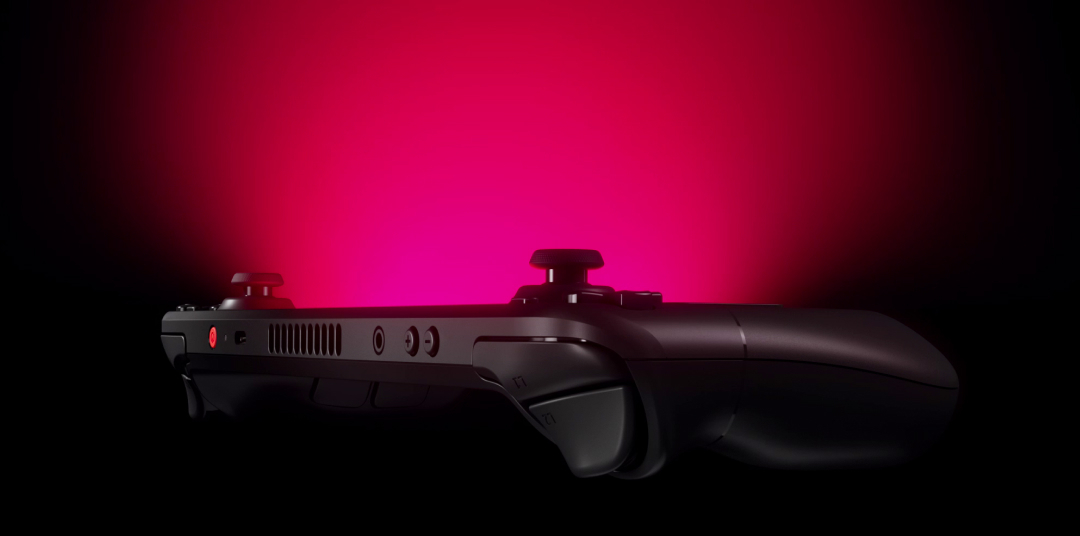
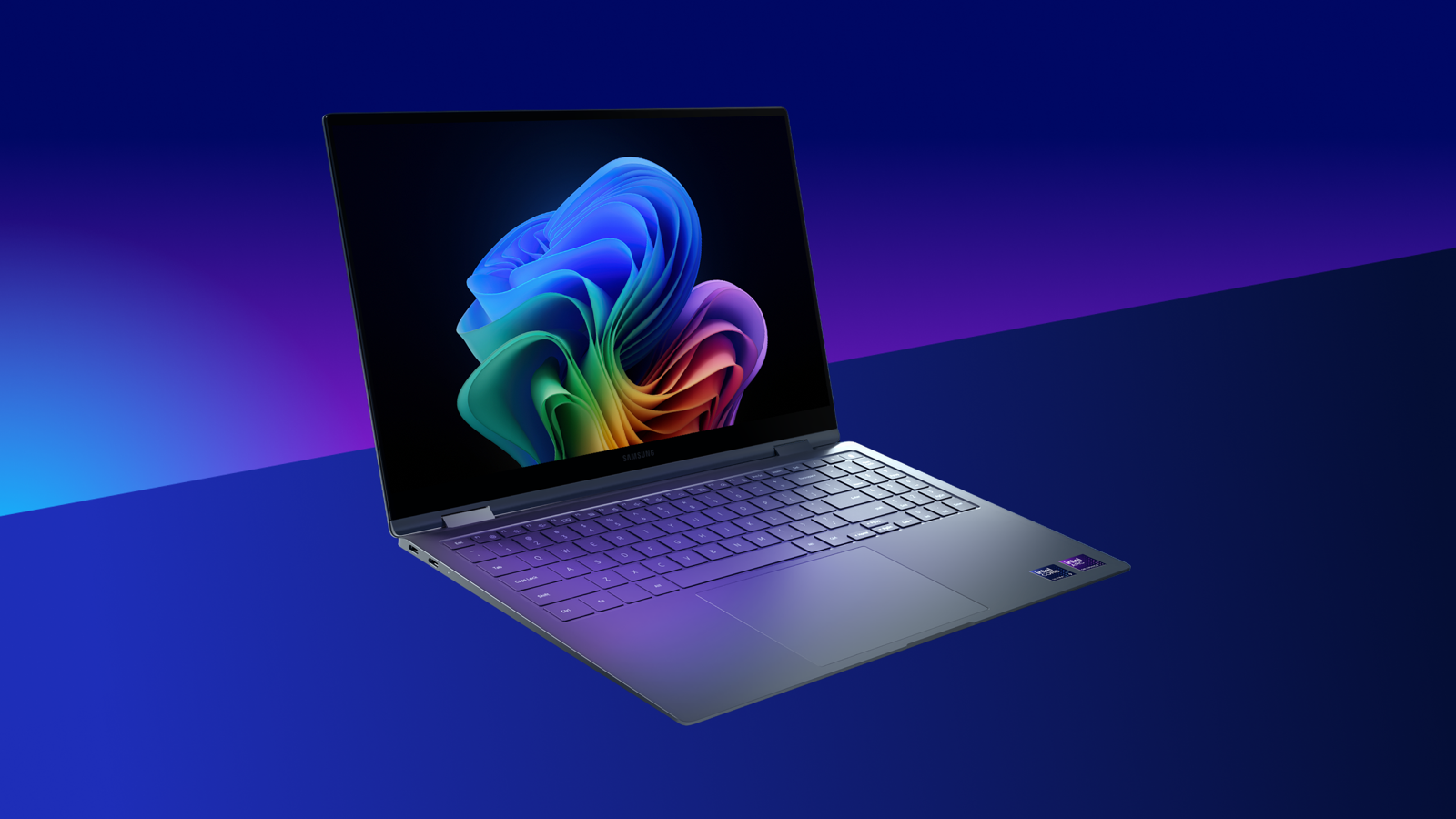
Handheld chips should not be treated like leftover laptop parts. The best handheld silicon needs different priorities: quick bursts, low idle power, clean scaling, stable drivers, and strong graphics at wattages that do not murder battery life.
If Arc G3 is Intel saying it understands that, good. The category needs parts designed and marketed around handheld use, not just chips that happen to fit.
A handheld-focused name also helps reviewers talk about the device clearly. Instead of explaining every Intel graphics suffix from scratch, they can say whether Arc G3 is doing the job inside this class of machine.
The trust problem
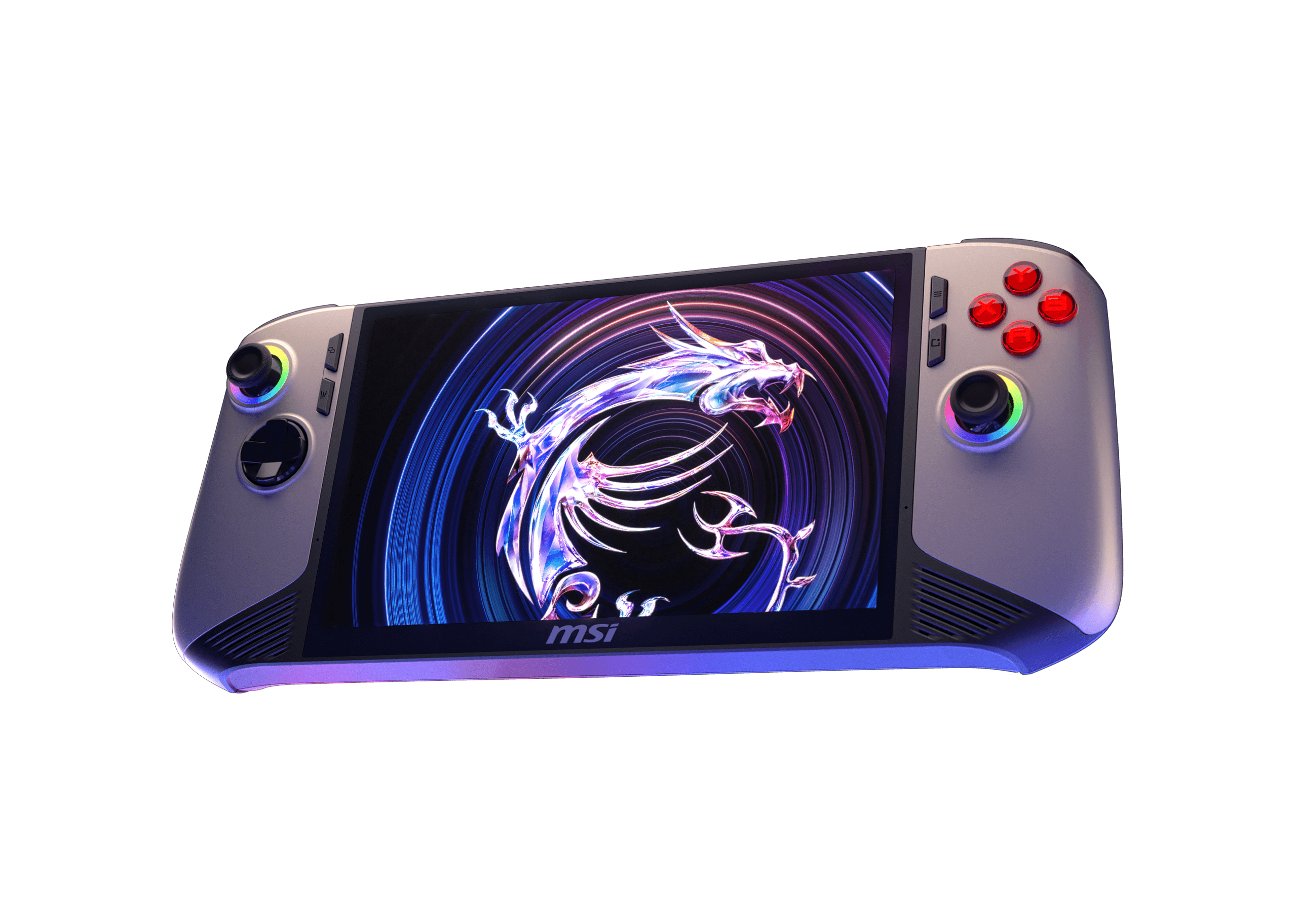
Intel still has a trust problem in handhelds. That is not me being dramatic. The first Claw generation made a lot of people cautious, and that kind of reputation does not disappear because a new name shows up.
The good news is that a clearer brand gives Intel a clean reset point. The bad news is that a clean reset only works if the next devices actually feel better.
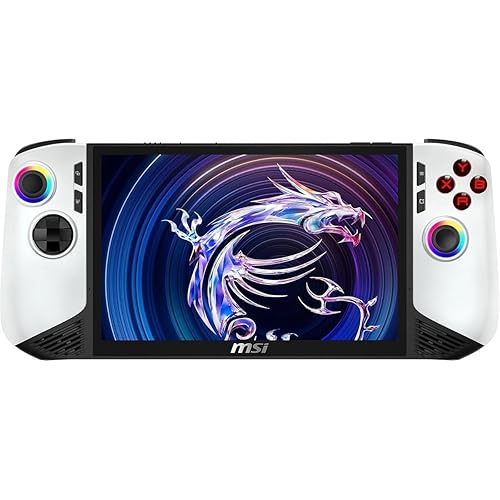
MSI Claw 8 AI+ Handheld
Intel Core Ultra, 8" 120Hz, Windows 11, 1TB SSD
Affiliate links. We may earn a commission at no extra cost to you.
My read
My read is that Intel needed this. It needed a name people can point to and say, that is the handheld graphics thing. Arc G3 can become that if the hardware and software back it up.
But the name cannot carry weak execution. It has to show up in devices that reviewers can recommend without adding ten warnings underneath.
That is the difference between a label and a platform. A label sits on a box. A platform gives buyers a reason to trust the next device before the reviews even land.
What buyers should watch for
Do not just watch the branding. Watch the power profiles, the driver cadence, the memory requirements, and the games used in testing. Those details will tell you whether Arc G3 is a real handheld platform or just a sticker.
Also watch how many OEMs show up. If MSI is the only loud partner, this feels niche. If multiple brands build around it, Intel has something bigger.
That OEM count is the quiet signal. One device is an experiment. Three or four devices with different designs starts to look like a real ecosystem.
The line Intel has to walk
Intel needs confidence without hype fog. Say what Arc G3 is, show what it can do, and let the games prove the rest. That would be the smart play.
If Intel pulls that off, Arc G3 could make the Windows handheld race feel less like AMD versus everyone else and more like an actual fight.
If Arc G3 becomes a name people understand, Intel has a path back into handheld gaming. If it stays confusing, AMD keeps the easy recommendation.
Related coverage
If this was useful, here is the rest of saavage.com's coverage on this beat: Computex could be Intel's handheld reset if Arc G3 shows up right, Arc G3 Extreme might be Intel's first real handheld threat, Arc G3 Extreme benchmark leak puts AMD handheld chips on notice, and Intel says your CPU is not the problem, your games are.