Overview
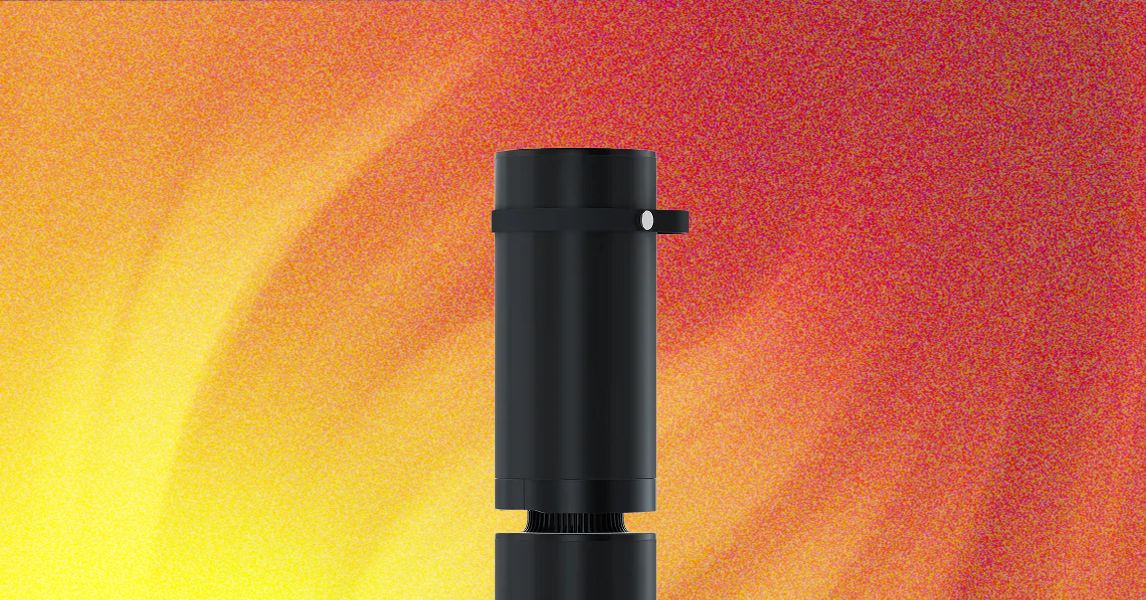
The Heatbit Maxi Pro presents a consumer appliance that fundamentally blurs the line between home comfort and cryptocurrency infrastructure. Ostensibly a space heater, the unit is engineered to simultaneously function as a Bitcoin miner, a dual-purpose device that forces a re-evaluation of energy consumption models in the modern smart home. The device’s core premise is simple: generate heat while generating revenue, all from a single plug point.
This integration of thermodynamics and hashing power is far from a mere gimmick. It speaks to a broader trend where utility is being monetized at the point of consumption. Instead of simply providing warmth, the Maxi Pro claims to turn ambient electricity into a dual stream of value—thermal energy for the household and computational power for the crypto market.
The technical specifications reveal a machine designed for efficiency, utilizing the waste heat generated by the mining process to supplement its primary heating function. This circular approach is the central argument of the product, positioning the Heatbit Maxi Pro not as an energy drain, but as an energy recycler, making it a potent symbol of the current intersection between domestic utility and decentralized finance.
The Mechanics of Dual Functionality
The Mechanics of Dual Functionality
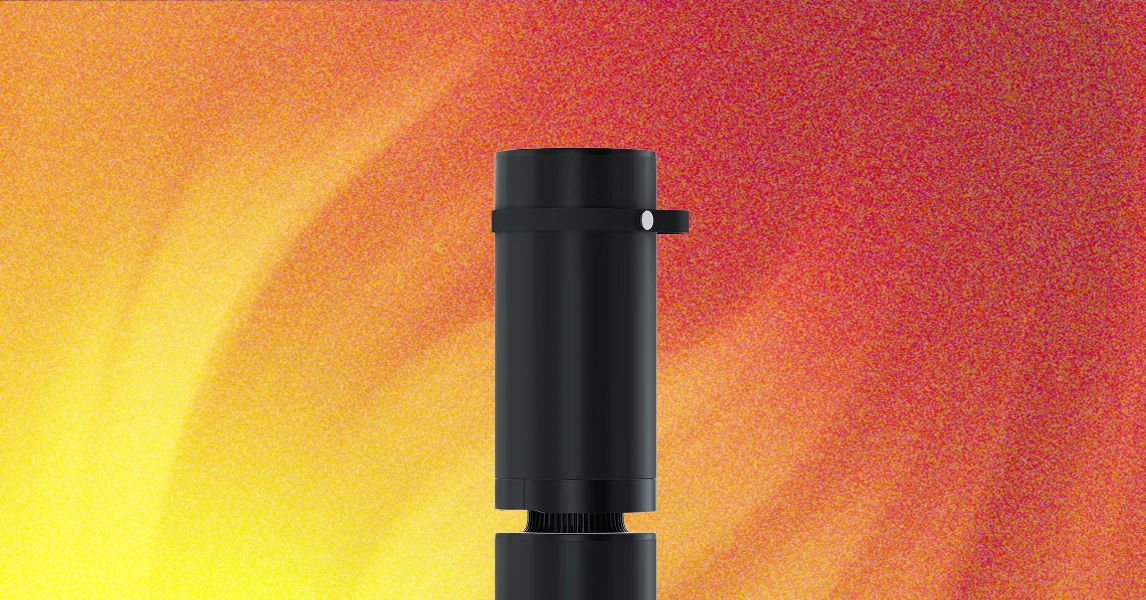
The Heatbit Maxi Pro operates by leveraging the inherent byproduct of Bitcoin mining: heat. Standard ASICs (Application-Specific Integrated Circuits) used for mining generate significant waste heat, which is typically vented or dissipated, representing a lost form of energy. The Heatbit design intercepts this thermal output, routing it through a heating element to maintain a specified ambient temperature within the room.
The unit’s performance is tied directly to the electrical grid's capacity and the prevailing difficulty of the Bitcoin network. While the exact mining output fluctuates based on market conditions and the device’s internal ASIC setup, the primary function remains the consumption of electricity to perform hashing calculations. The resulting heat output is measurable and adjustable, allowing users to tune the device's operational parameters to meet both thermal and mining goals simultaneously.
This dual-use mechanism differentiates it sharply from traditional space heaters or standalone miners. A conventional heater consumes power solely for heat; a conventional miner consumes power solely for computation. The Maxi Pro attempts to solve the efficiency problem by making the heat a feature of the mining process, rather than a byproduct to be managed.
Analyzing the Energy Efficiency Claim
The central claim surrounding the Maxi Pro revolves around energy efficiency, specifically the concept of maximizing kilowatt-hour (kWh) utility. Proponents argue that by combining two high-draw functions, the unit achieves a higher overall return on energy expenditure than running two separate appliances. From a purely theoretical standpoint, this approach tackles the "waste heat" problem inherent in decentralized computing.
However, the practical efficiency of the system depends heavily on the user's local electricity rates and the current profitability of Bitcoin mining. If electricity costs are prohibitively high, the operational cost of the unit may quickly outweigh the value derived from the mined cryptocurrency. Furthermore, the performance of the integrated ASIC is subject to global mining pool difficulty adjustments, meaning the revenue stream is volatile and outside the user's direct control.
The device forces a conversation about the true cost of decentralized power. While it offers a tangible, physical way for consumers to participate in crypto mining, the financial viability remains highly correlated with external, macro-economic factors, making the investment profile complex and inherently speculative.
Crypto Infrastructure Meets Consumer Goods
The existence of the Heatbit Maxi Pro highlights a significant shift in how crypto technology is being marketed to the general public. Historically, Bitcoin mining was an industrial, data center-level operation requiring massive, dedicated infrastructure. The Maxi Pro miniaturizes and domesticates this process, bringing the computational edge into the living room.
This trend suggests that the barrier to entry for participating in crypto infrastructure is rapidly falling. Instead of requiring specialized knowledge of mining pools, cooling systems, and advanced electrical engineering, the user only needs an outlet and a desire for both warmth and digital yield.
This democratization of mining power, while appealing on the surface, also raises critical questions regarding grid stability and localized energy distribution. If a significant number of households adopt such high-draw, dual-purpose devices, the cumulative strain on local electrical grids could become a serious concern, potentially requiring localized infrastructure upgrades that the device itself does not address.