Overview
The suggestion that Halo could be a viable console title reportedly provoked physical hostility from PC gaming circles decades ago. An industry veteran recounted instances where developers faced outright aggression, including drinks being thrown, simply for proposing the concept of a successful console-based first-person shooter. This anecdote highlights the deep, historical schism between PC and console gaming ecosystems, a tension that defined the genre’s evolution.
The initial resistance was not merely artistic disagreement; it was rooted in perceived platform supremacy. For years, the PC was the undisputed powerhouse for complex, high-fidelity shooters. The console market, particularly in the early 2000s, was viewed by many core PC enthusiasts as inherently lacking the necessary processing power or depth to handle competitive, modern FPS titles.
The eventual success of Halo proved that the console market could not only compete but could redefine the genre for a mass audience. The shift marked a significant cultural and technological pivot point, forcing the entire industry to recalibrate its understanding of what a AAA shooter experience could be.
The Enduring Battle for Market Share

The PC vs. Console FPS Schism
The rivalry between PC and console gaming has always been more than a debate over hardware specifications; it is a cultural clash over design philosophy. Historically, PC shooters—titles like Quake and Unreal—were defined by their deep customization, modding capabilities, and reliance on high frame rates and complex networking that demanded dedicated graphical processing units (GPUs).
Console developers, by contrast, were often tasked with delivering highly polished, accessible, and narrative-driven experiences optimized for a fixed hardware architecture. This disparity created a perceived chasm: PC gamers saw consoles as limited, while console developers often viewed PC gaming as overly complex and niche.
The early 2000s represented the peak of this ideological conflict. PC gamers were accustomed to the raw, competitive nature of titles that demanded mastery of complex controls and hardware setups. The idea of a console title capturing that same level of competitive depth—especially one that wasn't merely a port of a PC classic—was met with skepticism bordering on outright hostility.
How Halo Redefined the Genre
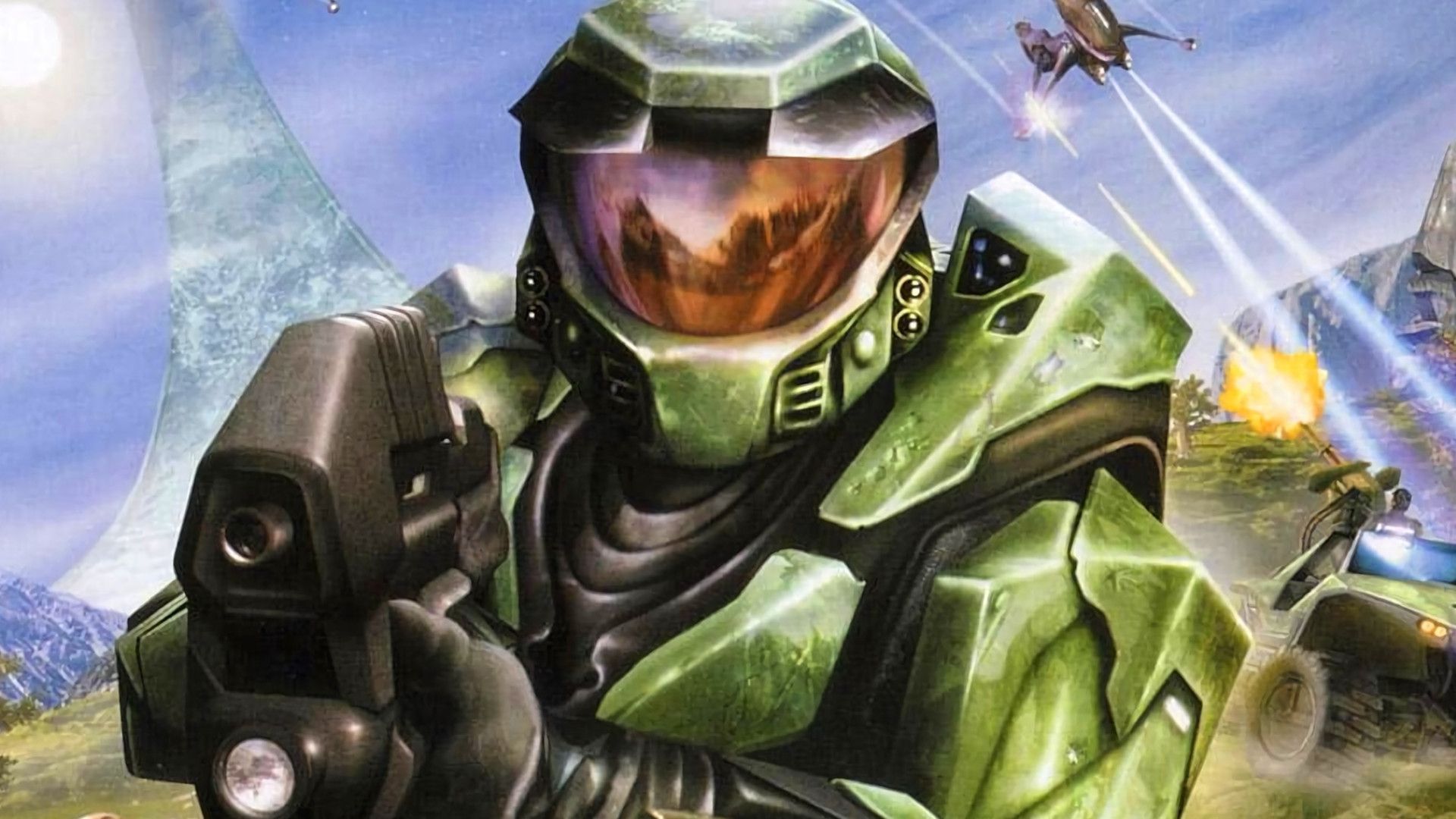
Halo: Combat Evolved did not just enter the market; it fundamentally altered the expectations for the console FPS genre. Its success was predicated on creating a highly polished, accessible, yet deeply engaging experience that appealed to a demographic previously uninterested in the genre.
The game successfully balanced complex combat mechanics with a strong, cinematic narrative structure, elements that proved highly marketable to the console's broader audience. It demonstrated that a console could handle the technical demands of modern FPS gameplay without requiring the user to manage complex hardware configurations.
This achievement forced the industry to acknowledge that "shooter" was no longer a single, monolithic genre defined solely by PC specifications. It became a spectrum. Developers realized that the core appeal of the genre lay in its moment-to-moment action and the shared experience of multiplayer combat, rather than just the highest possible frame rate or modding depth. The console platform proved it could deliver a world-class, competitive experience.
The Enduring Battle for Market Share
The initial resistance to Halo was a microcosm of the ongoing, multi-billion dollar battle for market share between console manufacturers and PC hardware ecosystems. While the narrative tension has softened, the underlying competition remains fierce, manifesting now in cross-platform releases and evolving service models.
Modern FPS titles rarely acknowledge the platform divide. They are designed with an assumed universality, requiring titles to function equally well on a high-end PC rig, a current-gen console, and potentially a mobile device. This convergence is a direct result of the lessons learned during the platform wars of the 2000s.
The focus has shifted from "who is better" to "how can we be everywhere." Developers now prioritize robust netcode and scalable multiplayer architecture that can accommodate vastly different input methods and hardware capabilities. The goal is no longer to prove technical superiority, but to maximize reach and player retention across all possible devices.