Overview
The arrival of Hades 2 on Xbox and PlayStation consoles, coupled with its potential inclusion on Game Pass, represents a significant inflection point for the roguelike genre. The acclaimed sequel to Supergiant Games' breakout hit is set to broaden its accessibility dramatically, moving beyond PC exclusivity to major console ecosystems. This shift suggests a calculated strategy by publishers to maximize reach and integrate premium indie titles into subscription services.
The confirmation of multi-platform availability solidifies Hades 2's status as a must-play title for 2026. For players who followed the original Hades, the anticipation has been immense, and the sequel has been heralded for expanding the narrative depth, combat mechanics, and overall scope of the underworld. The sheer scale of the development effort, following the success of the first game, points toward a highly polished, console-optimized experience.
The potential Game Pass inclusion is perhaps the most impactful development. It positions Hades 2 not just as a premium purchase, but as a cornerstone title within the subscription model, making it immediately available to millions of console owners. This move underscores the current industry trend where high-quality, narrative-driven indie games are increasingly leveraged to drive subscription adoption.
The Console Strategy and Game Pass Implications
The Console Strategy and Game Pass Implications
The decision to target Xbox and PlayStation simultaneously signals a commitment to market saturation. Console manufacturers and publishers are actively competing for high-profile, critically acclaimed titles to bolster their service offerings. Hades 2's inclusion on Game Pass, specifically, provides a powerful incentive for console owners to subscribe.
Historically, roguelikes have thrived on deep, iterative gameplay loops that reward continuous play. Placing such a title within a subscription service lowers the barrier to entry for new players while providing veteran fans with immediate access. This model is particularly potent because the gameplay demands time investment, making the "try it out" nature of Game Pass highly appealing.
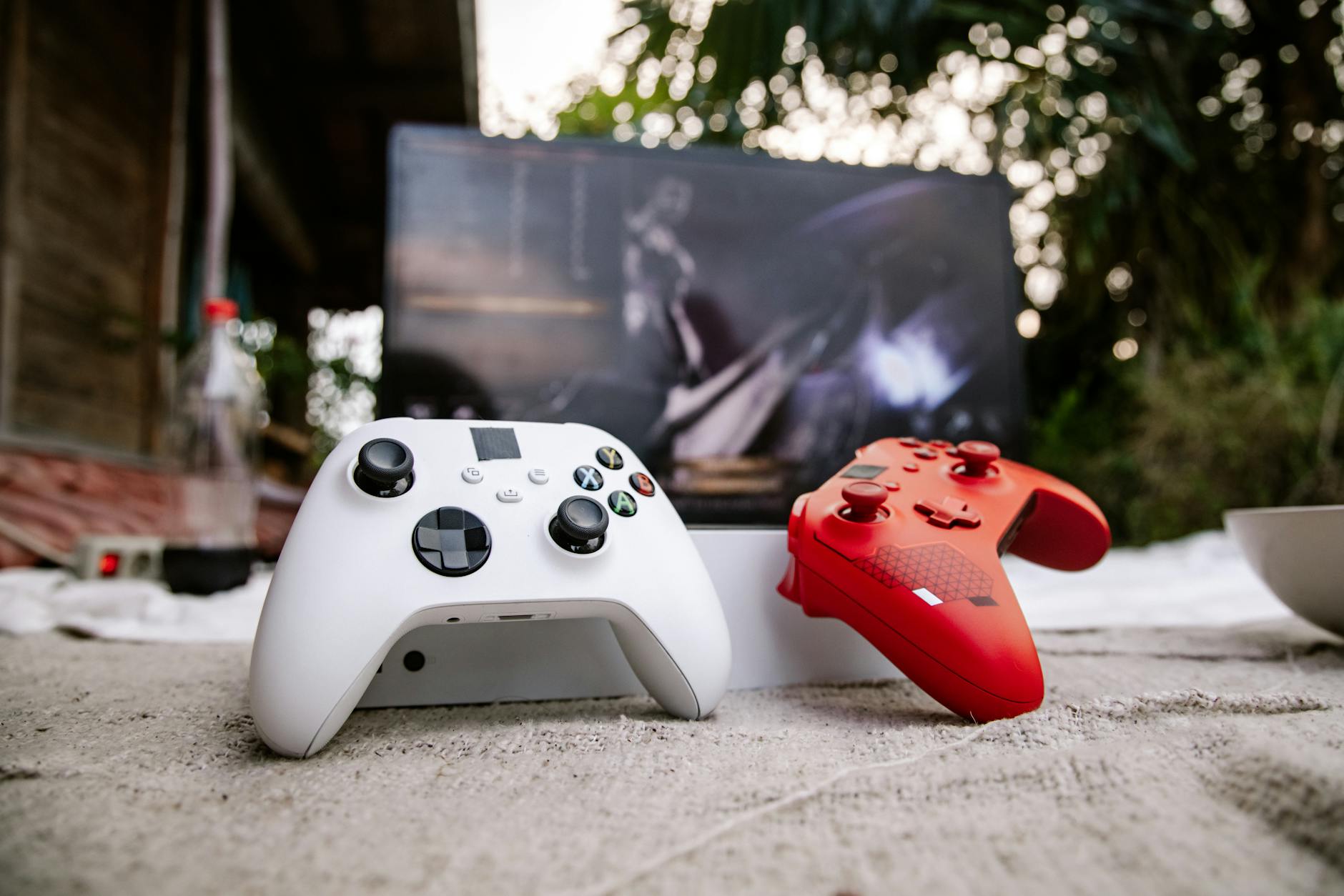
Furthermore, the console versions are expected to leverage native controller functionality, optimizing the tight, action-heavy combat system for the tactile feel of a modern controller. This optimization is crucial, as the original game's success was partly built on its fluid, responsive feel, which translates exceptionally well to console hardware.
Expanding the Roguelike Landscape
Hades 2 does more than just port a successful title; it elevates the expectations for the entire roguelike genre. The original Hades perfected the formula of combining deep character progression with randomized run structures, creating a perfect blend of challenge and narrative reward. The sequel is expected to build upon this foundation while introducing new mechanics, such as expanded character rosters and more complex narrative branching.
The market for roguelikes remains robust, with titles like Dead Cells, Slay the Spire, and Risk of Rain 2 proving the genre's staying power. However, Hades 2 has the unique advantage of maintaining a strong, character-driven narrative core—a feature often lacking in pure action-based roguelikes. This blend of high-octane action and deep lore is what sets the title apart and sets a new benchmark for competitors.
The success of the original game demonstrated that players are willing to invest significant time in a system that constantly rewards failure. This intrinsic loop of "die, learn, and try again" is a core pillar of the genre, and Hades 2 is positioned to refine that loop for a new generation of console players.
The Future of Indie Development on Major Platforms
The availability of Hades 2 highlights a maturing relationship between major platform holders (Sony, Microsoft) and high-quality independent developers. Rather than simply acquiring IPs, the console strategy involves partnering with studios that can deliver polished, system-defining experiences.
This trend suggests that platform holders view subscription services not merely as a library of games, but as a marketing tool capable of driving cultural relevance. By securing titles like Hades 2, they ensure a steady stream of highly anticipated, critically acclaimed content that justifies the monthly fee.
For developers, this means a more reliable pipeline of funding and distribution. Instead of relying solely on massive initial sales, the revenue stream from subscriptions provides a stable foundation, allowing studios to take bigger creative risks on their next projects. This is a healthier, more sustainable model for the industry's creative backbone.