Overview
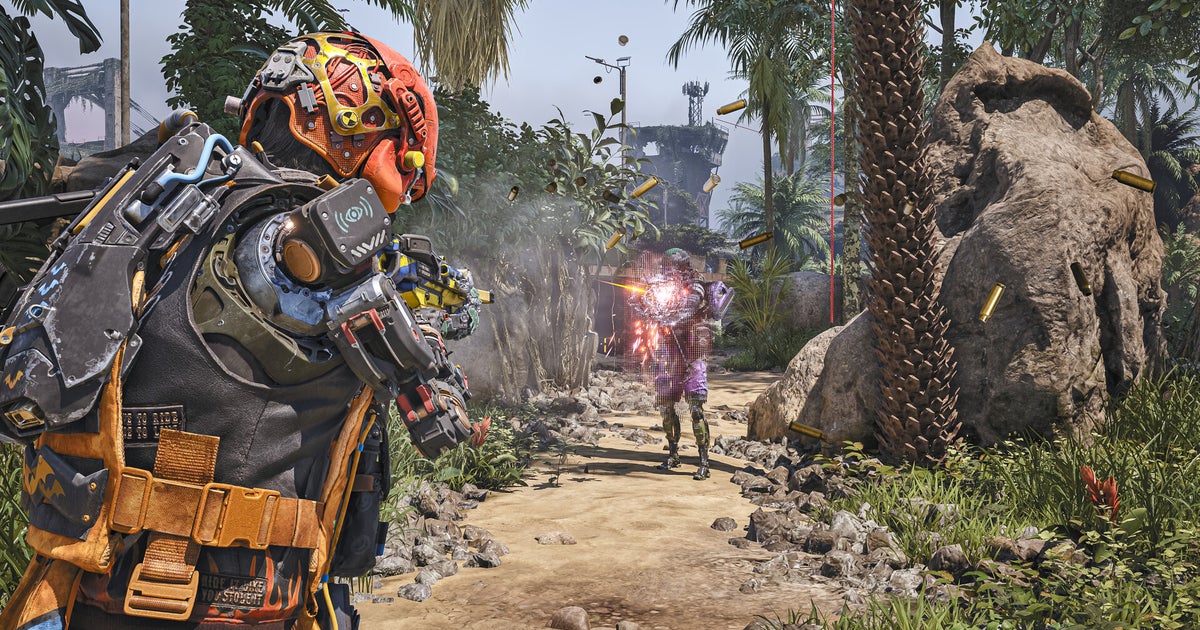
The accusations of delayed payroll at Gunzilla have ignited a predictable flashpoint within the crypto gaming sector. Off the Grid, a studio associated with the project, dismissed the claims as nothing more than a "new narrative from haters." The studio boss specifically countered the allegations of systemic non-payment, asserting that full-time employee salaries have never been delayed by more than a single week. The response attempts to frame the controversy as an external attack, rather than an internal operational failure, a common deflection tactic in high-stakes, volatile development environments.
The incident forces a confrontation between the glossy, often speculative front-end of Web3 development and the gritty, tangible reality of human labor. In a space where funding rounds are measured in billions and project timelines are perpetually extended, the basic mechanics of payroll become a surprisingly potent source of conflict. The defense, while specific about the one-week limit, does little to address the core concern: the accusation of non-payment itself, which carries significant reputational and legal weight.
This dispute highlights a persistent structural vulnerability across the entire crypto gaming ecosystem. When project valuations are tied to speculative tokenomics and venture capital enthusiasm, the actual operational costs—salaries, infrastructure, and overhead—are often treated as secondary concerns, susceptible to the whims of the next funding cycle or market downturn.
The Defense Narrative Versus Operational Reality
The Defense Narrative Versus Operational Reality
The studio’s immediate response focuses heavily on characterizing the accusations as a malicious "narrative." This framing attempts to shift the conversation from financial accountability to community sentiment, a classic maneuver designed to discredit the source of the complaint rather than refute the facts of the complaint. By labeling the accusers as "haters," the studio seeks to diminish the credibility of the claims, suggesting the issue stems from disgruntled parties rather than genuine labor disputes.
However, the specificity of the defense—the claim that delays never exceed seven days—is a factual pivot that demands scrutiny. While providing a maximum delay period sounds reassuring, it does not negate the severity of the accusation itself. A consistent pattern of near-miss delays, even if technically compliant, erodes trust and creates significant financial stress for employees who rely on predictable income streams. The crypto industry, which thrives on transparency and rapid communication, struggles to reconcile this controlled narrative with the underlying risk of payroll instability.
The mechanics of crypto funding exacerbate this tension. Development studios often operate under complex, multi-layered funding structures involving seed rounds, token sales, and VC tranches. When market conditions shift, the flow of capital can become unpredictable, creating systemic pressure that inevitably impacts the most basic function: paying employees on time. The studio’s defense, therefore, is less a statement of financial stability and more a statement of controlled crisis management.
Funding Volatility and Labor Risk in Web3 Studios
The core challenge facing studios like Gunzilla is the inherent volatility of the crypto funding model. Unlike traditional gaming studios, which typically operate within established, long-term corporate structures, Web3 projects are constantly exposed to the rapid shifts of digital asset markets. This exposure introduces a unique level of operational risk that is rarely factored into public-facing marketing.
When a project’s valuation is tied to speculative assets, the priority often shifts to maximizing token utility or achieving the next funding milestone. Labor costs, while critical, can become viewed as an expense to be managed against fluctuating crypto revenue streams. This structural imbalance means that payroll stability is not guaranteed by the project’s overall valuation, but rather by the immediate liquidity of its treasury.
Furthermore, the employment structure itself is often hybrid and geographically dispersed. Teams are composed of salaried full-time employees, contractors, and sometimes, token-holding contributors. This mix complicates labor law compliance and makes the payment structure inherently more fragile. The accusation of delayed payment, regardless of the studio’s counter-narrative, points directly to a potential misalignment between the project’s financial inflows and its operational outflows.
The Broader Implications for Industry Accountability
This dispute is not merely about one studio; it represents a growing accountability vacuum across the entire decentralized gaming sector. As the industry matures and moves beyond the initial hype cycle, regulatory bodies and institutional investors are demanding clearer standards for corporate governance and labor practices.
The pattern of accusations suggests that the market is beginning to differentiate between projects with sustainable, predictable revenue models and those built primarily on speculative hype. For developers, the reputational cost of a payroll dispute far outweighs the short-term benefit of a massive funding round. Trust, in this context, is the most valuable and least liquid asset.
Moving forward, the industry faces pressure to adopt more robust, transparent financial mechanisms. This could involve mandatory escrow accounts for operational funds, clearer contractual obligations regarding payroll disbursement, or even a shift toward revenue-share models that are less susceptible to sudden market shocks. Until these structural safeguards are implemented, labor disputes will remain a predictable, and potentially damaging, feature of the Web3 development cycle.