Overview
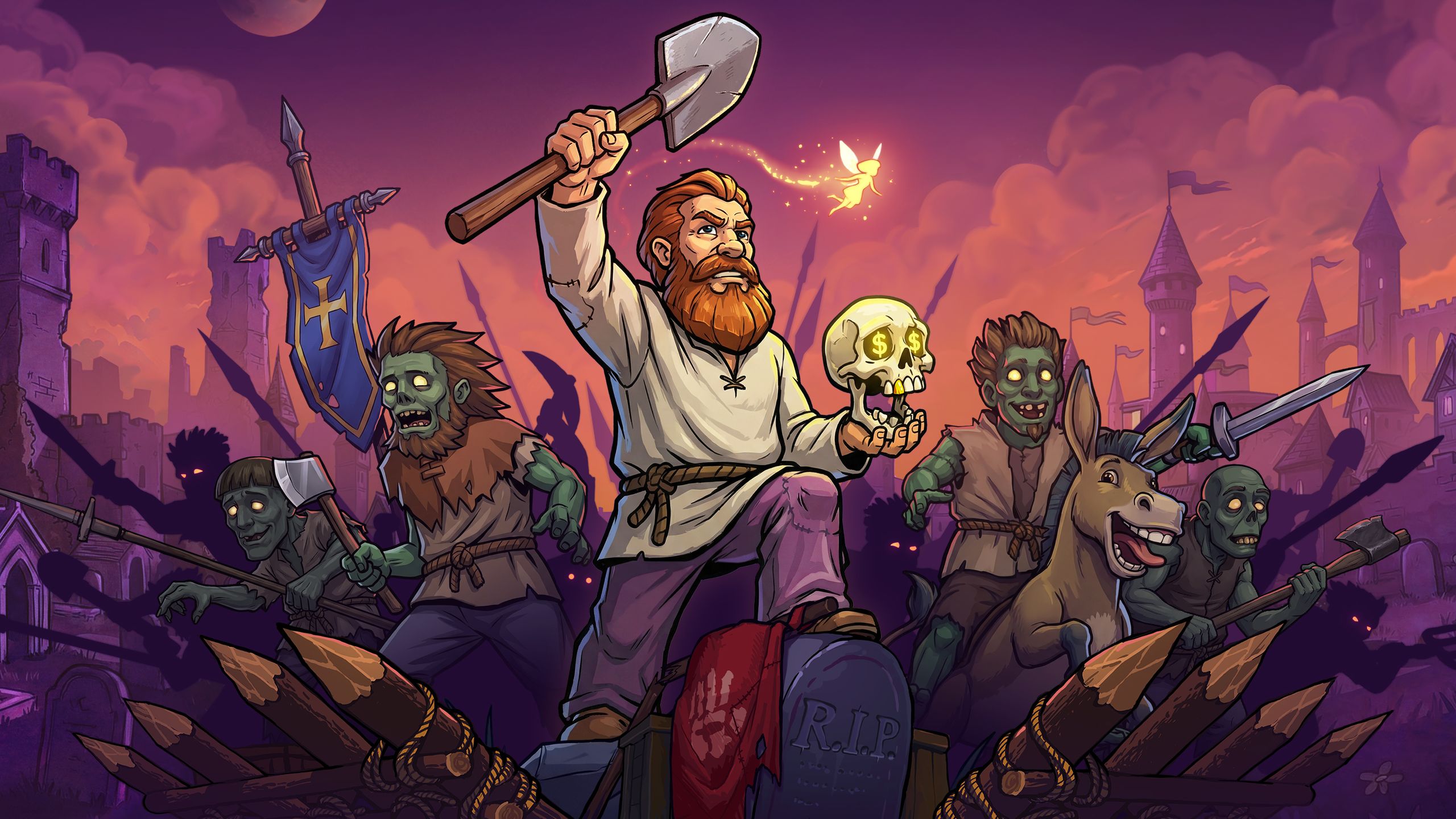
The developers of Graveyard Keeper have issued a direct statement addressing a rising tide of accusations: that the sequel, Graveyard Keeper 2, is being built using generative artificial intelligence. The response was emphatic, confirming that while AI tools may influence parts of the development pipeline, the core creative and mechanical elements of the game remain firmly under human design control. This denial comes amid a growing industry conversation regarding the role of large language models and image generators in modern game production.
The accusations surfaced as players began dissecting leaked information and early development assets, noting patterns or efficiencies that suggested automated generation. For many players, the integration of AI into creative workflows—from asset generation to narrative scripting—has become a defining, and often controversial, characteristic of the current tech cycle. The Graveyard Keeper team’s swift clarification appears to be a calculated move to manage community expectations and reassure the fanbase about the game’s artistic integrity.
The discussion transcends mere intellectual property concerns; it touches upon the fundamental definition of authorship in digital media. The developers stressed that the game's unique, often darkly humorous, simulation mechanics are the result of years of dedicated, human-driven iteration, suggesting that the complexity of the game world far exceeds what current public-facing AI models can autonomously replicate.
Addressing the AI Skepticism in Game Design
Addressing the AI Skepticism in Game Design
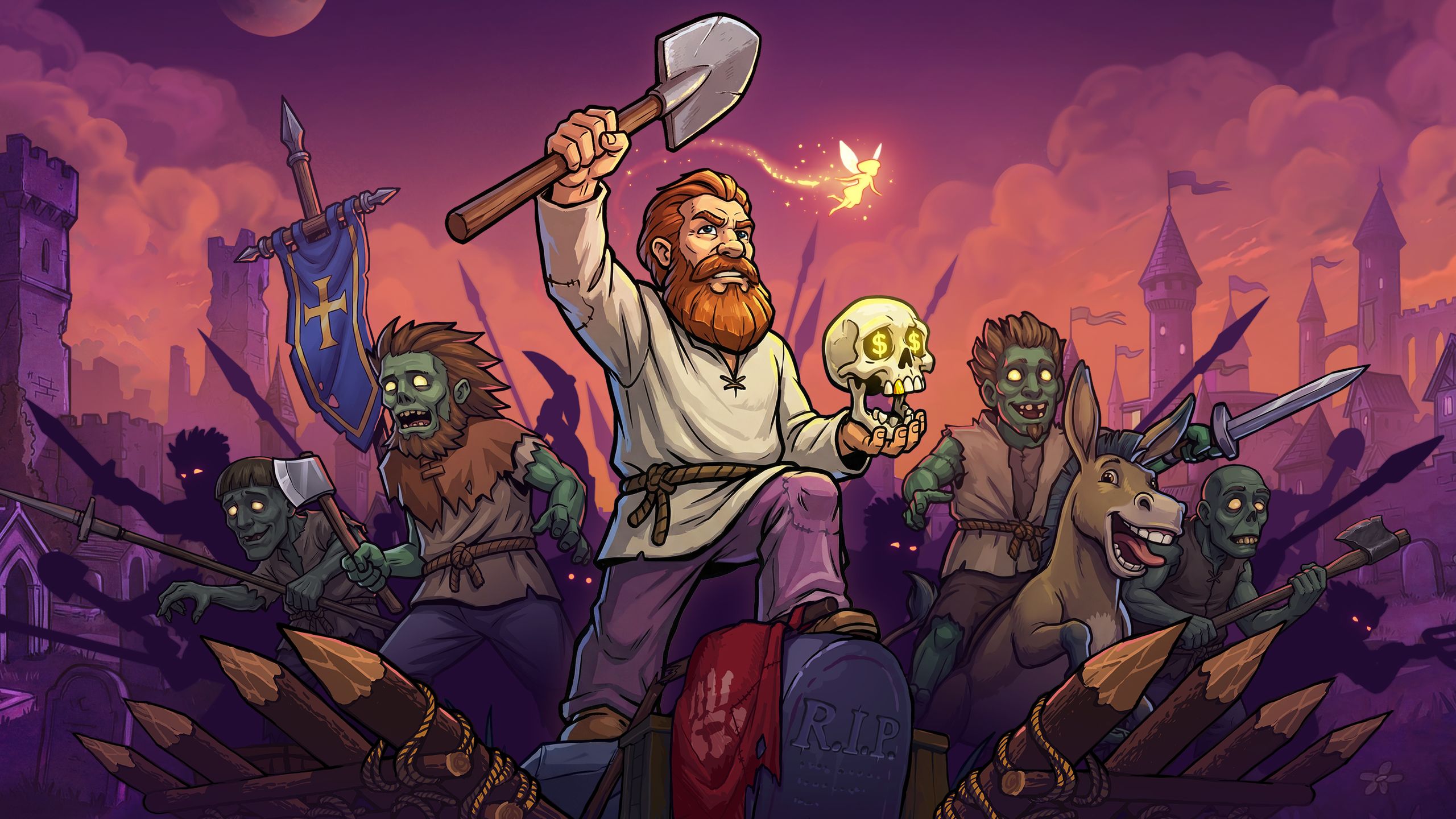
The core of the developer's defense centers on the mechanical depth of the simulation. Graveyard Keeper is known for its complex resource management, crafting loops, and interconnected systems—a depth that requires meticulous, rule-based design. The team pointed out that while AI can generate assets (textures, background elements), it cannot replicate the intricate, interlocking logic of the game's economy or the specific, emergent gameplay loops that define the experience.
The simulation genre, in particular, has become a proving ground for creative automation. Critics argue that AI-generated content often lacks the necessary internal contradictions or the specific 'grit' that defines successful niche simulation games. By detailing the manual work involved in balancing the resource sink rates or designing the unique progression curve for the various life-cycle systems, the developers sought to ground the discussion in tangible, quantifiable game design principles. They emphasized that the procedural elements are not random outputs but highly constrained, rule-based systems built by human designers.
Furthermore, the team provided insight into the development pipeline itself, distinguishing between using AI as a productivity tool and allowing it to dictate creative output. Utilizing AI for tasks like initial concept mood boards, basic asset prototyping, or internal quality assurance testing is widely accepted in the industry. However, the developers drew a clear line, stating that the final creative decisions, the core gameplay feel, and the narrative tone are protected by human oversight and direct creative input.
The Industry Tension Between Automation and Artistry
The controversy surrounding AI in game development is not unique to Graveyard Keeper. It represents a broader tension across the entire tech and creative industries: how much automation can be adopted before the final product loses its perceived soul or unique artistic signature? Many AAA studios are already experimenting with generative tools to boost efficiency, leading to a saturation of content that some critics argue results in a homogenization of style.
This skepticism is fueled by the rapid advancements in models like Midjourney and advanced LLMs, which have dramatically lowered the barrier to entry for creating polished-looking digital assets. While this democratization is positive for small studios, it has simultaneously raised legitimate questions about the value of human labor and original conceptualization. The Graveyard Keeper developers’ response effectively positions their work as an example of human-centric development, where the complexity stems from the rules and the system, not just the visual fidelity of the assets.
The industry standard for high-quality, complex simulation games has always relied on dedicated teams of systems designers, economists, and narrative writers. The fact that the Graveyard Keeper team felt compelled to address the issue suggests that the public conversation has reached a critical mass, making the topic a significant PR and brand management challenge for the entire simulation gaming sector.
Looking Ahead for Simulation Gaming
The conversation around AI is unlikely to fade, and developers must navigate this landscape carefully. For simulation and survival genres, the key differentiator remains the depth of the underlying systems. A game that feels alive—where resource scarcity genuinely impacts player decisions, or where a character's progression feels earned through mechanical mastery—is difficult to fake with simple generative prompts.
The developers’ commitment to maintaining the core mechanical identity of the series suggests a focus on 'systemic depth' over 'visual spectacle.' This is a crucial message for the genre. It implies that the next iteration of Graveyard Keeper will prioritize the interlocking mechanics and the player's agency within a robust, human-designed world, rather than simply leveraging the latest visual tech trends.
The successful navigation of this narrative—moving from defense to proactive demonstration of human craft—will likely set a precedent for other niche simulation titles. It reinforces the idea that in genres where the rules are the product, the human designer remains the irreplaceable source of intellectual property and mechanical genius.