Overview
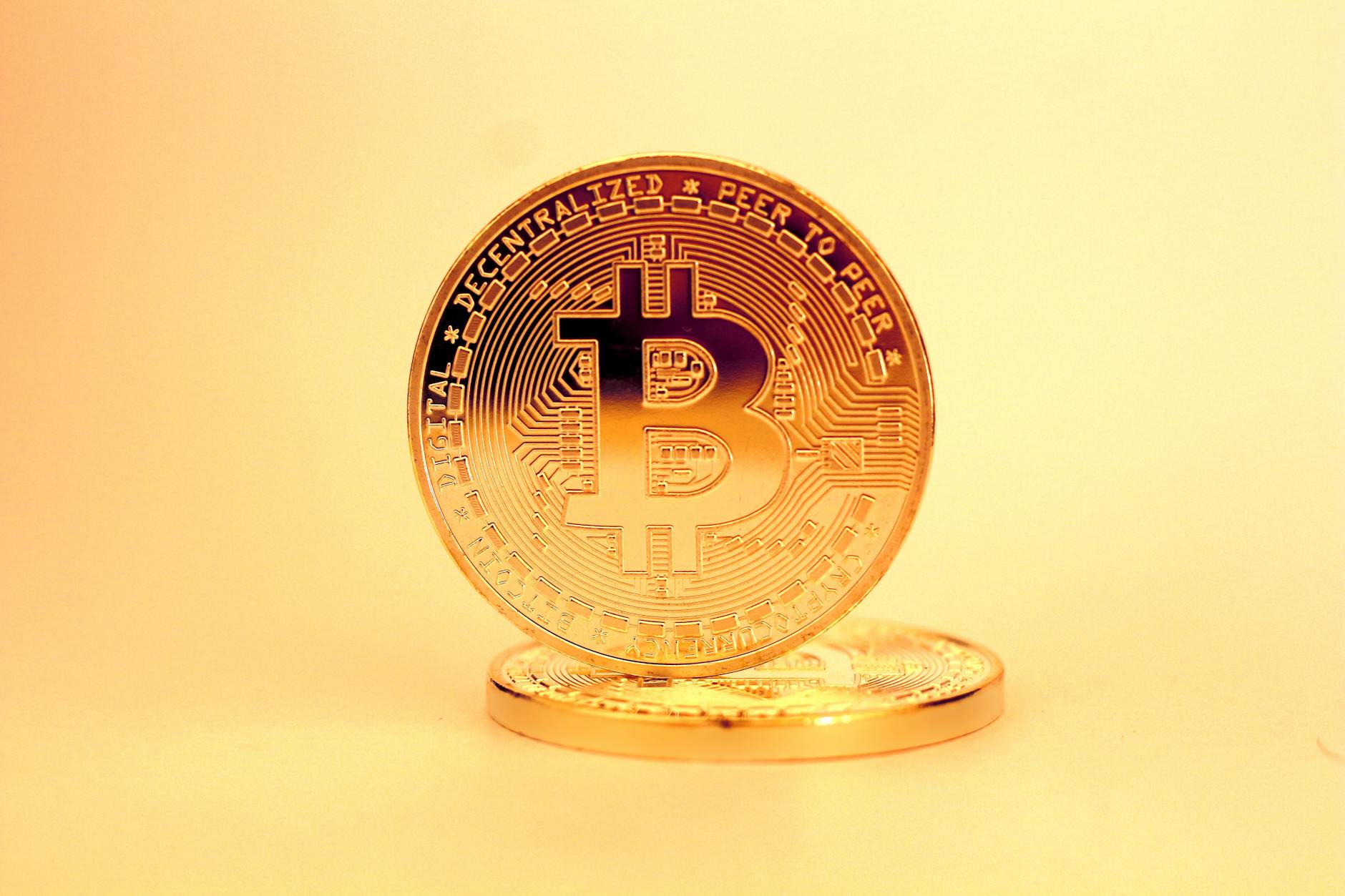
Gold is currently enduring its longest losing streak in over a century, posting declines as severe as 27% from its January peak. The yellow metal has seen its worst run since February 1920, with the decline persisting even as geopolitical tensions, specifically the escalation of the Middle East conflict, continue to weigh on traditional safe-haven assets. Simultaneously, Bitcoin is establishing significant relative strength, maintaining support above the $70,000 level and dramatically outperforming the performance of gold.
This divergence is not merely cyclical; it represents a fundamental shift in how capital is allocating risk and perceived value. While traditional gold markets struggle with technical support, Bitcoin is consistently building higher lows, pushing the BTC to gold ratio up by roughly 30% from recent lows. The data suggests that the market's definition of a reliable store of value is undergoing a profound re-evaluation.
The Mechanics of Gold's Decline
The Mechanics of Gold's Decline
The structural weakness in gold is evident in its technical readings. Having fallen significantly since its January high, the metal has struggled to find sustained upward momentum, marking a sustained downtrend that analysts have not seen in decades. While the price found temporary support at the 200-day moving average—a critical technical level often signaling long-term trend health—the overall momentum remains negative.
The decline is notable because it is occurring against a backdrop of heightened global instability, which historically serves as a primary catalyst for gold appreciation. The fact that gold has posted its worst streak since 1920, even amid conflict, suggests that the market's traditional appetite for physical metal hedging has been significantly dampened. Institutional outflows from major gold ETFs, such as the SPDR Gold Trust (GLD) and iShares Gold Trust (IAU), further confirm this lack of conviction, indicating that large capital pools are either exiting the asset class or finding superior alternatives.
The inability of gold to rally robustly, despite the geopolitical risk premium, points to a potential saturation or structural oversupply issue within the physical metal market. The narrative of gold as the ultimate hedge against systemic risk is being challenged by the current price action, forcing investors to reconsider the underlying utility of the asset.
Bitcoin's Outperformance and Ratio Dynamics
In sharp contrast to the sluggish performance of gold, Bitcoin has demonstrated remarkable resilience and upward momentum. Holding firm above the $70,000 mark, Bitcoin is not only resisting downward pressure but is actively driving the BTC to gold ratio to new elevated levels. This ratio, which measures the relative value of Bitcoin against an ounce of gold, has risen approximately 30% from its recent trough.
Historically, Bitcoin has often lagged gold during market cycles, typically catching up after gold initiates a rally and consolidates. However, the current data suggests a reversal of this pattern. The ratio bottomed out just prior to the Middle East conflict escalation, and the subsequent outperformance of BTC indicates that its perceived utility as a decentralized, borderless store of value is currently outweighing the traditional appeal of gold.
This outperformance is underpinned by strong institutional capital flows. While Bitcoin has experienced periods of volatility, its associated ETFs have recorded substantial inflows, totaling around $2.5 billion this month. This inflow activity, even when measured against the backdrop of Bitcoin being down roughly 20% year-to-date, signals persistent, robust belief in the asset class from major financial players. The capital is flowing into the digital asset, bypassing the traditional gold infrastructure.
Redefining the Store of Value
The divergence between gold and Bitcoin forces a re-examination of what constitutes a "safe haven" asset in the modern financial landscape. While some analysts argue that Bitcoin and gold are not inversely correlated, but rather largely uncorrelated, the current market action suggests a functional replacement dynamic. The data points to Bitcoin absorbing the capital that traditionally flowed into gold during periods of heightened uncertainty.
The historical pattern of BTC surpassing gold's value per ounce has been repeatedly observed—from March 2017 to the 2020 pandemic crash, and again after the FTX collapse. The current metrics show that one Bitcoin is now valued at approximately 16 ounces of gold. This figure represents a significant expansion of relative value.
Furthermore, the technical narrative suggests a potential inflection point. As noted by market observers, the steady increase in the BTC to gold ratio—reaching 12.4 ounces in February alone—suggests that the market may be pricing in a future where the value of decentralized digital assets significantly exceeds that of the physical metal. The confluence of gold's structural decline and Bitcoin's sustained strength points toward a major re-pricing of digital scarcity.