This is the right kind of Switch 2 stress test
Final Fantasy VII Rebirth on Switch 2 is not interesting because it can win a screenshot fight with PS5 or PC. It cannot, and honestly it does not need to. The interesting part is that Square Enix is trying to bring one of the biggest current-gen RPGs to a handheld without turning it into a cloud version or cutting it into something unrecognizable.
Nintendo's official listing puts the game at an estimated 102.5 GB and lists TV, tabletop, and handheld play. That matters. This is a real local port of a massive open-zone RPG, not a streaming compromise hiding behind good internet. If it works, it says a lot about what Switch 2 ports can be when a publisher actually does the work.
That is why I wanted to come back to this article. The first version was too thin. It said the port looked like a smart compromise, but it did not really explain the stakes. Rebirth is not Remake Intergrade. Remake has big set pieces, but it is still mostly a guided Midgar game. Rebirth has the Grasslands, traversal, open combat, minigames, towns, chocobos, and a lot more chaos for the hardware to juggle.
Nintendo lists Final Fantasy VII Rebirth on Switch 2 as a 102.5 GB local release with TV, tabletop, and handheld support.
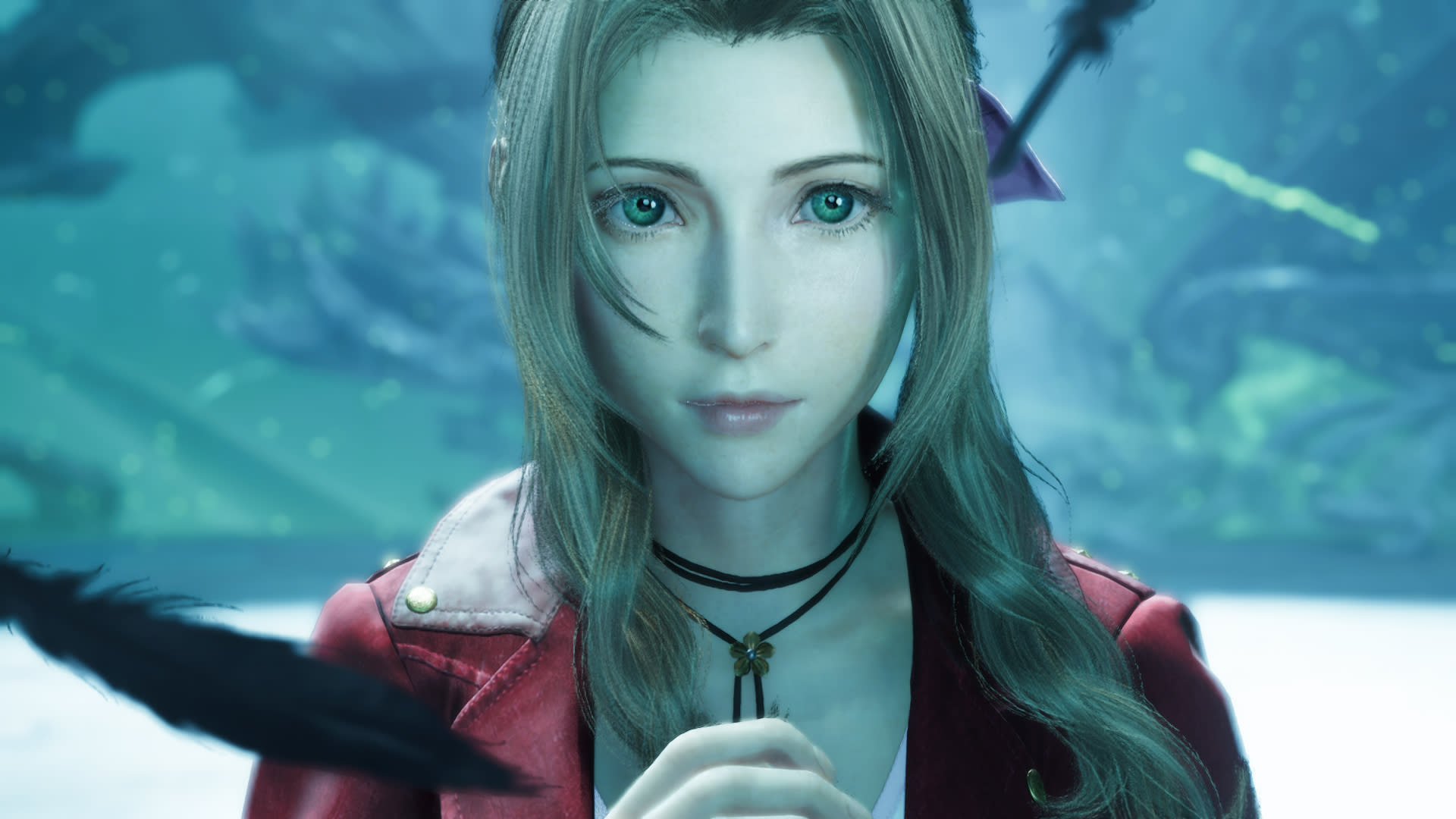
What the hands-on previews actually show
Nintendo Life's hands-on preview is the most useful read because it does not treat the port like magic. The demo offered a choice between the Nibelheim flashback and Chapter 2, then pushed into Kalm and the Grasslands. That is exactly where I would want to test it, because a corridor can hide problems that an open area exposes immediately.
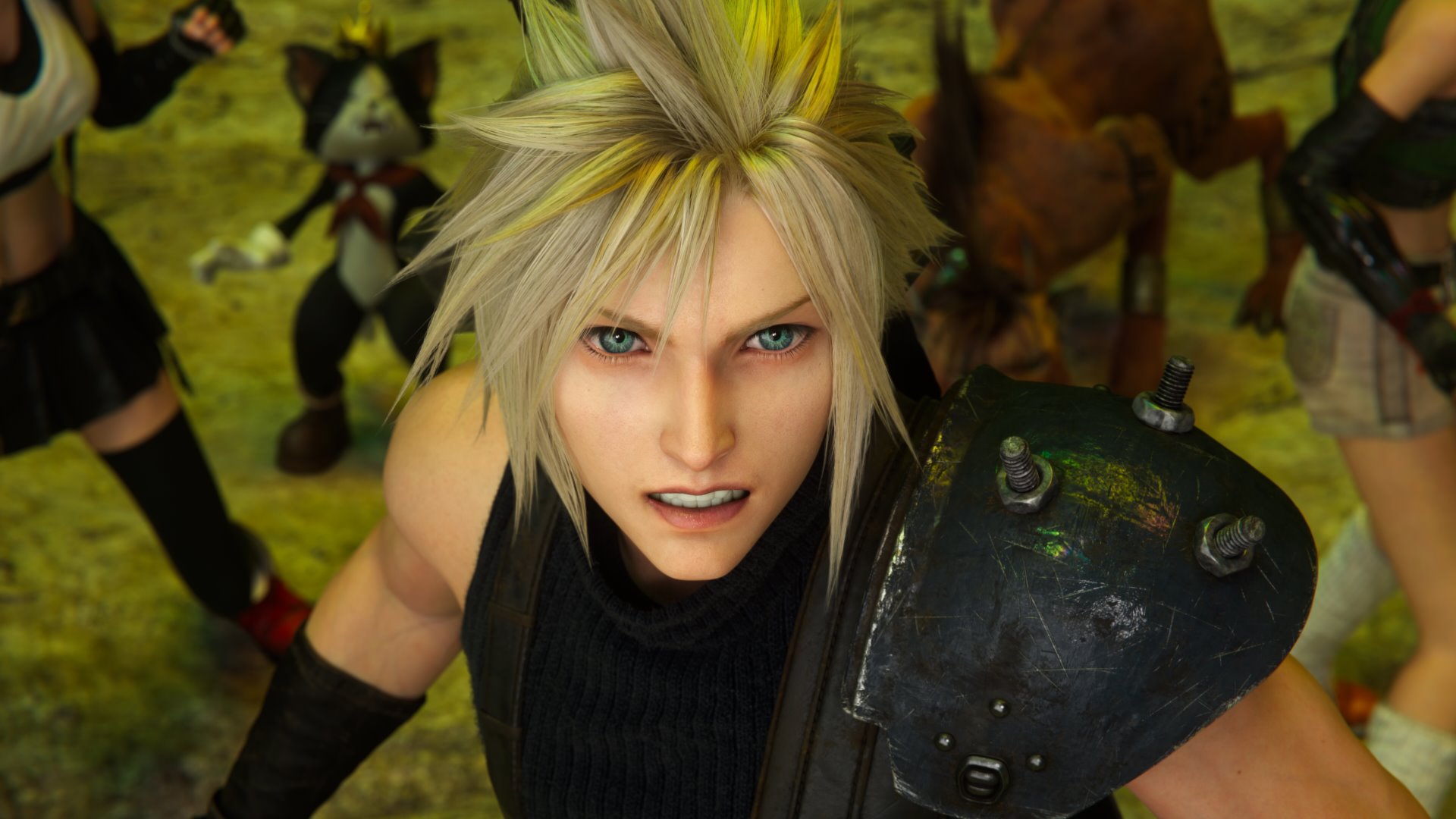
The preview says the game is capped at 30fps and generally holds together, even in busier areas, but the visual cuts are obvious. Cloud's hair loses the expensive strand detail. Close-up textures look lower resolution. Distant waypoints and far-off world detail are softer. That all sounds believable. It also sounds like the right place to spend the budget if the goal is to keep combat and traversal playable.
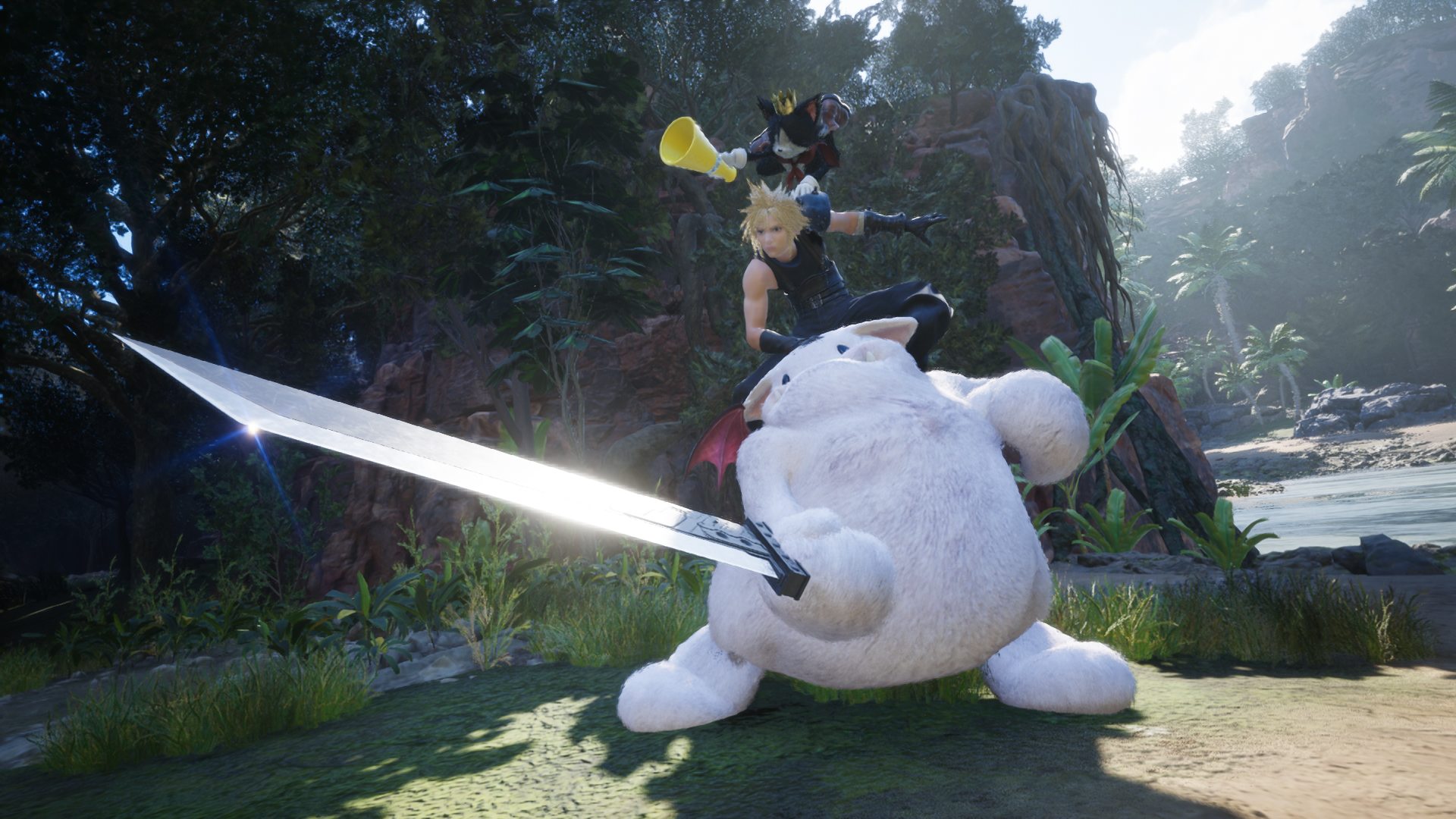
The best sign is that the Grasslands reportedly held up well enough in motion. That does not mean it looks like PS5. It means the core loop still seems readable: run around, fight, chase objectives, move through the world, and do not feel like the port is constantly begging for mercy.
The warning signs are real too
This is where expectations need to stay grounded. Other preview coverage has been more cautious. Notebookcheck rounded up early demo impressions that mention frame rate drops into the 20s, visible pop-in, and even early-build crashes or cutscene loading issues. That does not mean the final release is doomed, but it does mean the port is not automatically solved just because the first hands-on sounded promising.
I would separate those problems into two buckets. Visual pop-in and texture cuts are survivable if the game still reads cleanly on the handheld screen. Crashes, cutscenes failing to load, and combat drops are the stuff that actually changes whether I recommend buying day one.
The fair version is this: the build people are seeing before launch may not be final, and Square Enix still has time to tune it. The skeptical version is also fair: Rebirth is a much harder game to port than Remake, so the last ten percent of optimization might be the part that decides the whole experience.
Why 30fps is not the problem
A lot of people see 30fps and immediately treat it like a loss. For Rebirth on Switch 2, I do not think that is the right way to judge it. A stable 30fps on a handheld for a game this big is fine. The problem is not 30. The problem is uneven 30.
Rebirth's combat is fast enough that frame pacing matters. You are swapping characters, dodging, reading enemy pressure, managing ATB, firing abilities, and dealing with camera movement in busy arenas. If the frame rate is locked and input response feels consistent, 30fps can work. If it dips whenever effects stack up, that is when the port starts to feel worse than the number on paper.
So my read is simple: do not ask whether it is 30fps. Ask whether the final code holds 30fps when the Grasslands get busy, when combat fills the screen, and when the game starts streaming new world detail in the background. That is the real review question.
The visual cuts are not automatically bad
The Switch 2 version is going to lose detail. It has to. Hair, shadow quality, texture resolution, foliage density, draw distance, NPC detail, reflection quality, and far-off geometry are all obvious places to cut. That is not laziness by itself. That is porting.
The trick is choosing cuts that hurt screenshots more than gameplay. Cloud's hair looking less fancy is not a dealbreaker. A rock wall looking flat when you stop and stare is not a dealbreaker. Enemies popping in too close, objective markers becoming hard to read, or battle effects turning into mush would be a bigger issue.
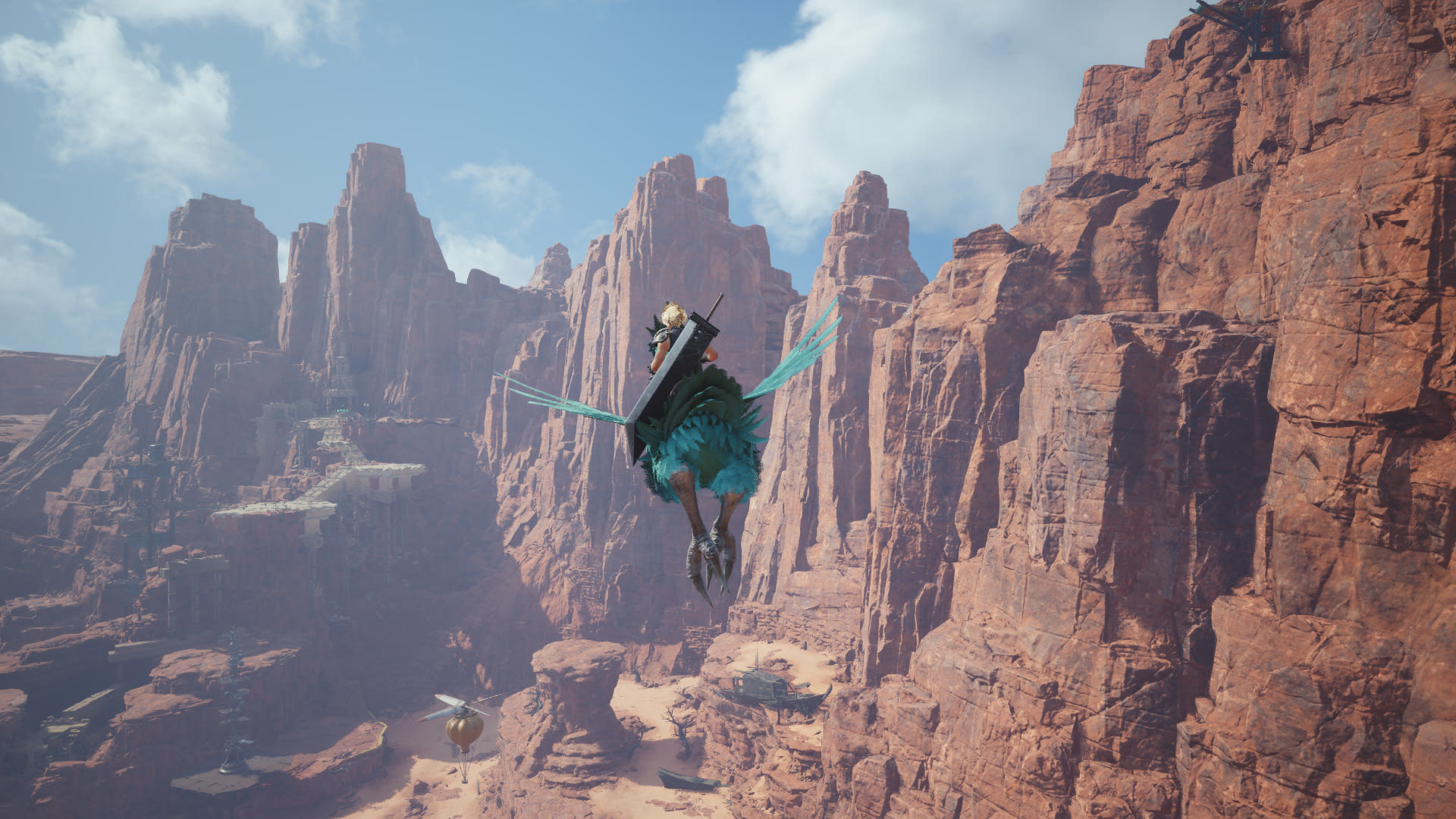
That is why the official screenshots are useful but not enough. They show that Rebirth still has the look of Rebirth: big skies, huge terrain, party spectacle, and those dramatic Square Enix close-ups. The final test is whether the game keeps that identity when you are actually moving through it for fifty hours.
Should you buy it on Switch 2?
If Switch 2 is your main system and you want to play Rebirth handheld, this is looking a lot more real than I expected. I would not call it a miracle port yet, but I would call it a serious one. That alone is a good sign.
If you already own the PS5 or PC version and care about visual quality, this probably is not the version that replaces those. This is the version you buy because you want Rebirth portable, because you actually finish RPGs when they can leave the TV, or because the idea of carrying the whole Remake trilogy on a Nintendo system just hits different.
If you are sensitive to frame drops, wait for final reviews. Not preview impressions. Not selected demo footage. Final code, retail build, long-session testing. The June 3 release date gives Square Enix a little more runway, and Nintendo's listing also notes pre-purchase bonuses through June 2 at 23:59 EDT, but storage is the other thing to plan for: 102.5 GB is not a casual download.
My take right now: Rebirth on Switch 2 looks like a smart compromise with real risk attached. The ambition is there. The screenshots are finally relevant to the game, not just a generic graphic. Now Square Enix has to prove the final build can hold together when the honeymoon preview is over.