Overview
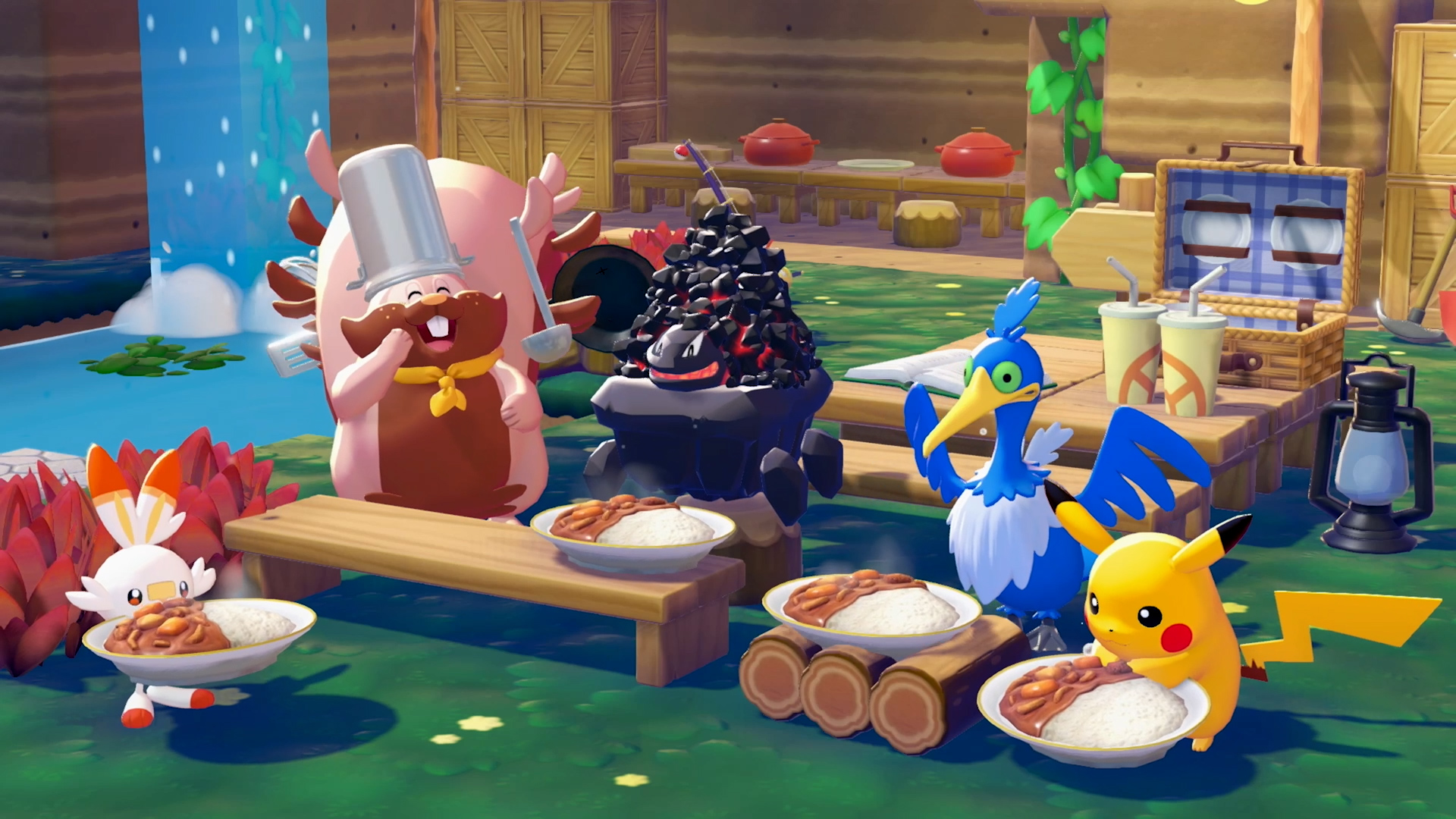
A surprising fire sale on major Switch 2 titles has appeared at local Costco warehouses, dropping games like Kirby Air Riders and Pokémon Legends: Z-A to prices significantly below their standard retail cost. Reports indicate that games typically priced around $70 are being sold for approximately $30. This unexpected discount wave has spread across social media platforms, prompting players to check local inventory before heading to the warehouse.
The deal is not uniform, with initial reports suggesting that the discount was initially visible on the Costco app but required in-store system overrides to process at checkout. However, multiple users have since reported successfully purchasing recent, high-profile releases, including Metroid Prime 4: Beyond, at bargain-bin pricing without needing special system adjustments.
The availability of these deep discounts is highly dependent on local store stock levels, suggesting the sale is a limited, opportunistic clearance rather than a permanent pricing shift. Nevertheless, the sudden appearance of these steep markdowns forces a reevaluation of the current market valuation for the Switch 2 library.
The Mechanics of the Costco Discount
The Mechanics of the Costco Discount
The current sale appears to be a pure volume clearance effort, utilizing high-demand, recent releases to move inventory quickly. The specific titles mentioned in the initial reports include major franchise entries such as Pokémon Legends: Z-A and Kirby Air Riders. The discount structure represents a markdown of roughly 57% from the established retail price point.
The process for acquiring these discounted games involves navigating the physical store inventory rather than relying solely on digital promotional codes. The fact that multiple users are reporting the $29.97 price point directly at the register suggests a localized, operational decision by the retailer to liquidate stock. This contrasts sharply with the typical, highly structured pricing models of console manufacturers.
The variation in inventory levels reported by users—for example, high stock of one title but low stock of another—underscores that this is not a coordinated, nationwide promotional push. Instead, it functions as a localized, opportunistic inventory dump, making the timing and location of the purchase critical factors for consumers.
Market Implications of Deep Discounts
The sudden appearance of such deep discounts raises immediate questions regarding the broader sales trajectory for the Switch 2 platform. While some users have joked that the sale prices reflect poor sales performance, the involvement of major franchises like Pokémon and Metroid Prime 4 suggests the titles still hold significant consumer interest.
Analysts have noted that the U.S. holiday season for the Switch 2 was reportedly softer compared to previous console launch cycles and certain market expectations. This could be the primary catalyst for the observed clearance pricing. Retailers often use aggressive discounting during slower periods to maintain sales velocity and clear shelf space for upcoming hardware cycles or next-generation titles.
Furthermore, the sale may signal a strategic shift in how third-party publishers approach physical media distribution for hybrid consoles. If major retailers like Costco can move high-value inventory at such steep margins, it could pressure Nintendo and other developers to adjust their own pricing and distribution strategies moving forward.
The Broader Retail Landscape
Beyond the immediate implications for Nintendo, the sale highlights a growing trend in how major wholesale retailers interact with the gaming market. Costco’s involvement suggests they are leveraging their massive bulk purchasing power to offer consumers pricing that bypasses traditional MSRP structures.
This type of markdown is particularly valuable because it provides consumers access to high-quality, first-party content at a fraction of the cost. For consumers looking to build out a comprehensive library of major console exclusives, the opportunity is substantial.
However, the sale also serves as a cautionary tale regarding consumer expectations. The discount is temporary and dependent on physical stock. The market is currently absorbing the shock of the sale, and the long-term pricing structure for new Switch 2 releases remains uncertain. The current event is less about the inherent quality of the games and more about the retailer's immediate need to manage overhead and inventory flow.