Closed does not mean safe anymore
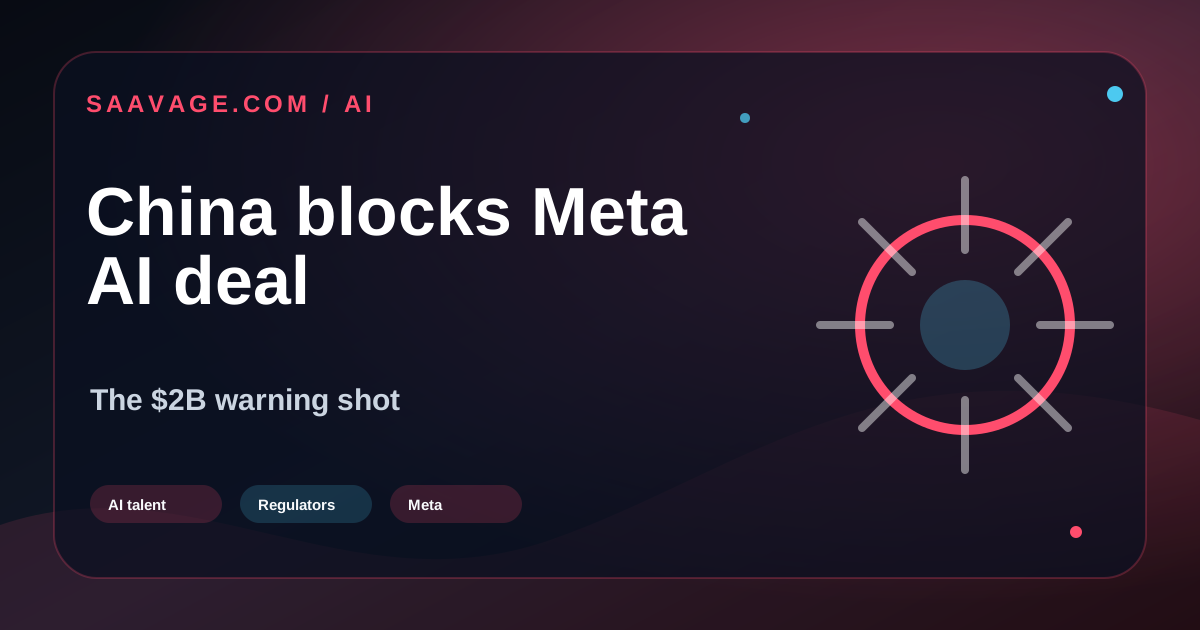
China reportedly ordering Meta to unwind the $2B Manus acquisition is not just another blocked tech deal. The important part is timing. This was not a deal waiting for approval. It was already closed.
That is the signal foreign tech companies cannot ignore. If a deal can be reopened after integration starts, then buying Chinese AI assets comes with a risk that traditional M&A models are not built to price.
The warning is that China reportedly moved after Meta's AI deal had already closed.
You cannot cleanly un-buy an AI company
Unwinding a normal acquisition is messy. Unwinding an AI acquisition is worse. Engineers move. Models get inspected. Code gets merged. Training ideas leak into roadmaps. There is no perfect undo button.
That is why this move is so powerful. It does not have to restore the old state perfectly. It just has to prove that the state can force the issue after the fact. That is enough to make every future buyer nervous.
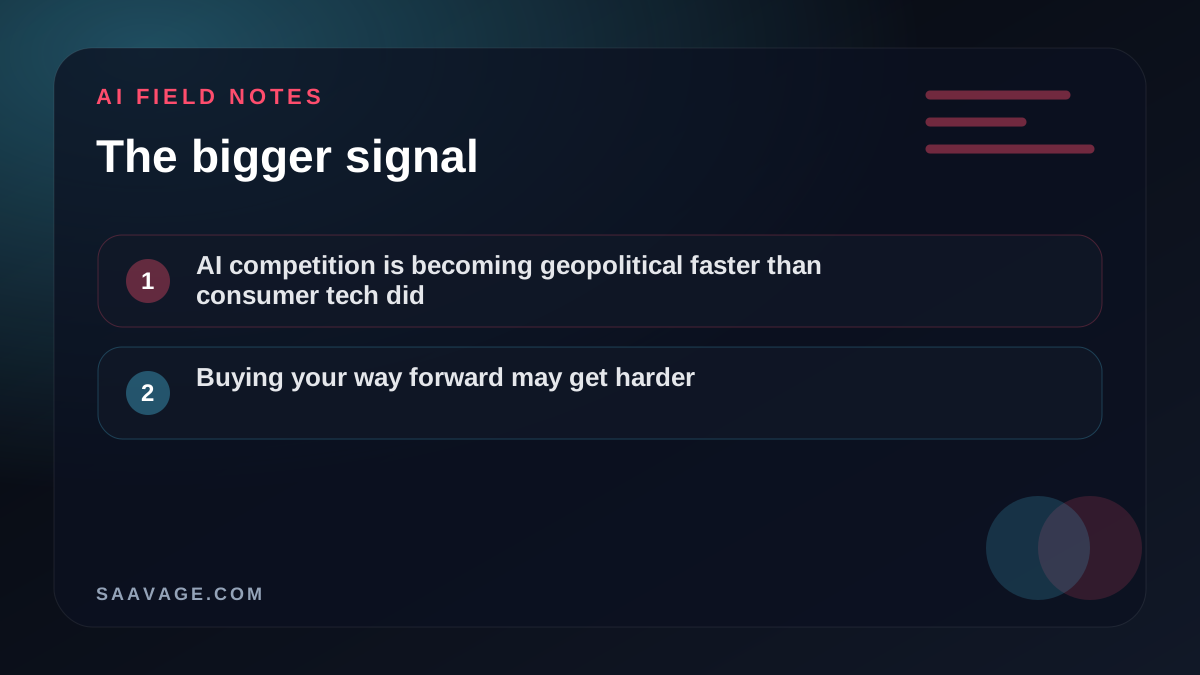
The message is bigger than Meta
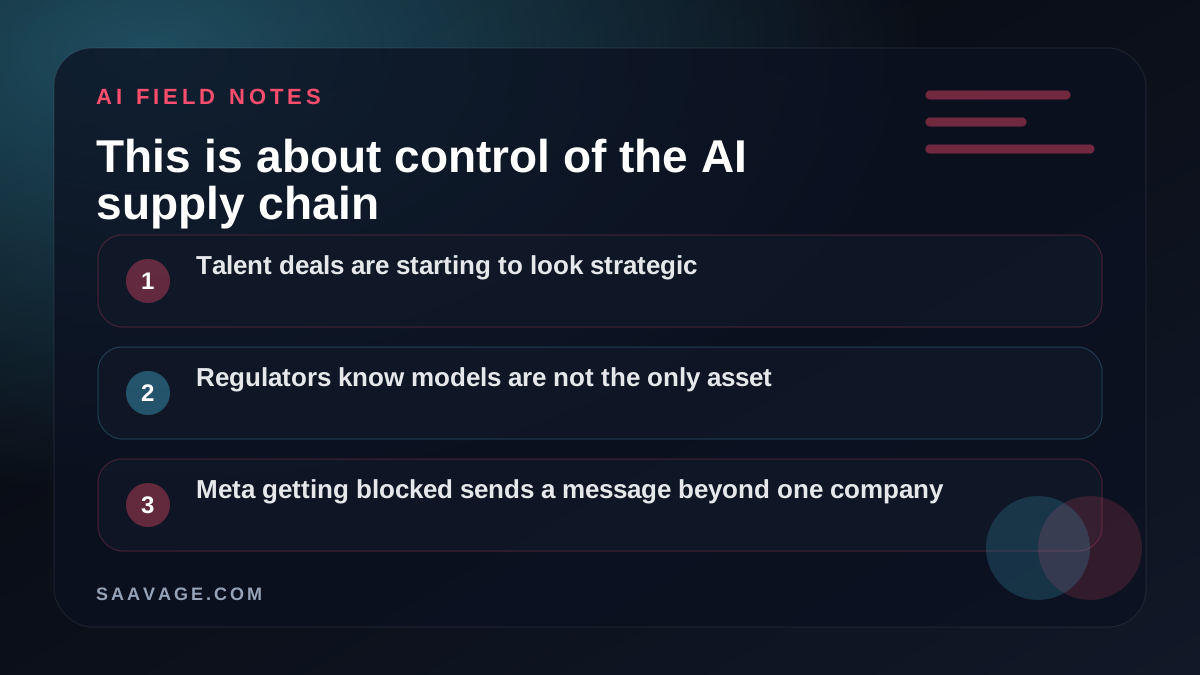
Meta is the headline name, but the audience is every foreign tech firm looking at Chinese AI talent, Chinese model work, or Chinese data advantages as acquirable assets.
The message is simple: ownership transfer is political now. Not just regulatory, political. If a deal touches advanced AI capability, it can become leverage in a bigger conversation.
The safer play is partnership, not ownership
If this precedent holds, the foreign-company playbook in China changes. Full acquisition gets harder to justify. Licensing, minority stakes, joint ventures, and carefully firewalled partnerships start looking less annoying and more necessary.
That is not as clean as buying the startup and folding it in. But clean is not the point anymore. Surviving the regulator is. Meta just became the cautionary example.