Overview
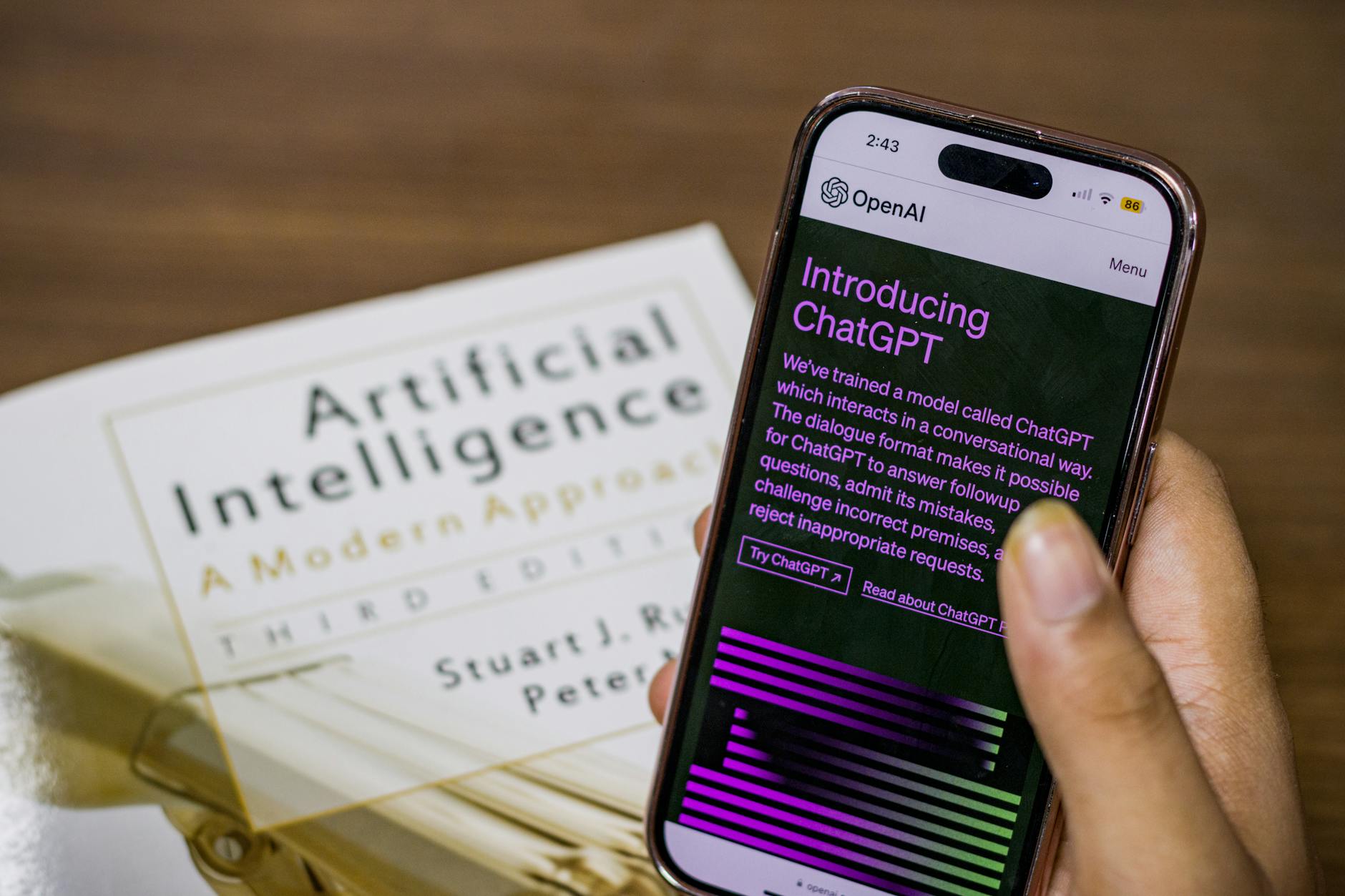
The utility of large language models is rapidly evolving beyond simple query answering. The latest updates from OpenAI focus heavily on personalization, transforming ChatGPT from a basic search interface into a highly tailored, consistent collaborator. The core principle is that the quality and reliability of the output scale directly with the amount of context and directional guidance provided to the model.
These new features—Custom Instructions and Memory—are designed to eliminate the need for users to repeatedly define their professional context or preferred output format. By establishing persistent parameters, the AI can adopt a stable "working style," significantly reducing prompt engineering overhead and improving the consistency of complex outputs.
This shift signals a maturation in the AI toolset. The focus is no longer on raw capability, but on integration into professional workflows. The ability to define a user's role, preferred tone, and required data structure means the AI can operate less like a general knowledge engine and more like a specialized, dedicated team member.
Defining the AI's Default Operating Parameters

Defining the AI's Default Operating Parameters
Custom instructions provide a mechanism for users to set foundational rules that govern ChatGPT’s behavior across multiple sessions. This feature allows the model to ingest specific knowledge about the user and the desired response format, applying these rules until they are manually overridden.
Users can program the AI with granular details, such as defining a professional role ("a finance manager" or "an onboarding lead") or specifying a required tone (e.g., formal, highly concise, or friendly). These details are critical guardrails that prevent the model from defaulting to generic or inappropriate responses. Furthermore, defining preferred output types—such as requiring all answers to be presented in markdown tables or bulleted drafts—ensures the resulting content is immediately usable and requires minimal post-processing.
These instructions function as a persistent default setting, acting as a foundational style guide for the AI. Instead of embedding the user's role into every prompt, the instructions handle that context automatically. This capability is particularly valuable for organizations where employees interact with AI for diverse, yet contextually consistent, tasks.

Building Persistent Context with Memory
While custom instructions define how the AI should behave, the Memory feature addresses what the AI should know about the user over time. Memory allows users to explicitly save details, preferences, and contextual facts that the model should retain across different conversations.
This function moves the interaction beyond the limitations of the current chat window. Instead of having to re-explain recurring context—such as a common project name, a specific client's history, or a preferred departmental jargon—the model accesses this stored knowledge base. This greatly improves the relevance and depth of subsequent replies.
The management of this context is highly controlled. Users can save information by prompting the model ("Remember that...") or querying its stored knowledge ("What do you remember about me?"). Crucially, the system also provides mechanisms to delete or forget specific details, ensuring that the context remains accurate and relevant to the user's current needs. This controlled recall capability is essential for maintaining trust and accuracy in professional applications.
Structuring Workflows with Skills
For tasks that are not just single prompts but repeatable, multi-step processes, the concept of "Skills" emerges as the next layer of personalization. Skills allow users to move beyond simple instruction sets and build structured, reusable workflows.
Instead of drafting a prompt that requires the AI to perform five separate steps (e.g., "First, summarize this data. Second, identify the key risks. Third, draft an executive summary, and fourth, format it into a slide deck outline"), a Skill encapsulates that entire process. It guides the AI through a consistent sequence of actions, formats, and checks.
This capability is transformative for knowledge workers who frequently execute complex, multi-stage tasks. By formalizing the workflow into a Skill, the user ensures that every output adheres to a predefined, high-quality process, regardless of who initiates the prompt. This moves the AI from being a sophisticated text generator to a structured process executor.