Understanding the New ChatGPT Go AI Tier
The AI landscape is moving at warp speed, and OpenAI just dropped another major piece of hardware into the mix: ChatGPT Go.
If you’ve been keeping tabs on advanced AI—the kind that actually changes how you build, code, or write—you know that access is everything. For months, ChatGPT Go has been quietly expanding its reach, starting in India and rolling out to a global audience.
This isn't just another pricing update; it’s a strategic shift in how OpenAI segments its user base. They’ve essentially built a tiered system designed to capture every level of user, from the casual daily creator to the full-throttle AI power user.
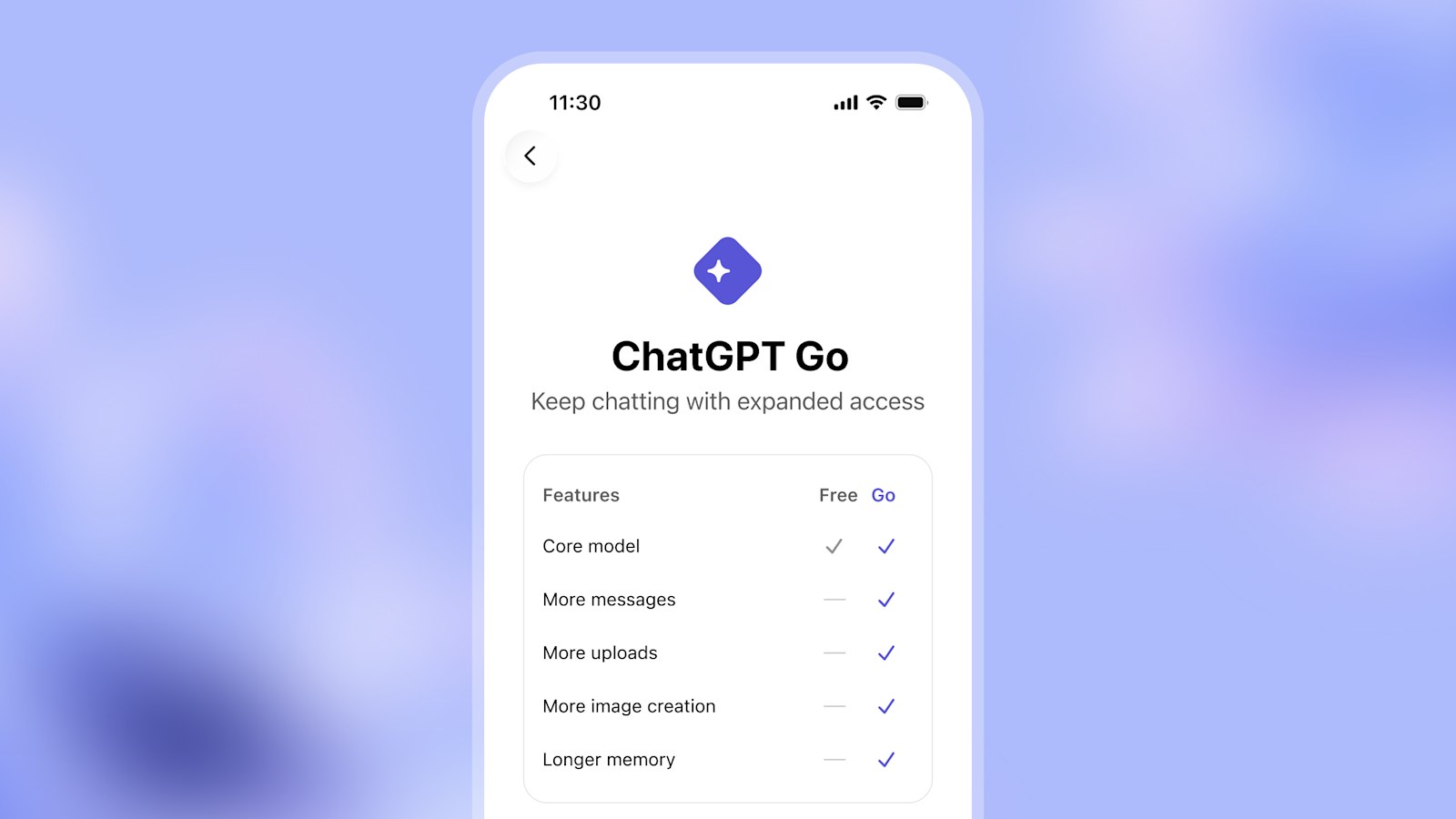
ChatGPT Go is the most immediately accessible entry point into advanced AI, designed to be a significant upgrade over the free experience without hitting the premium price tag.
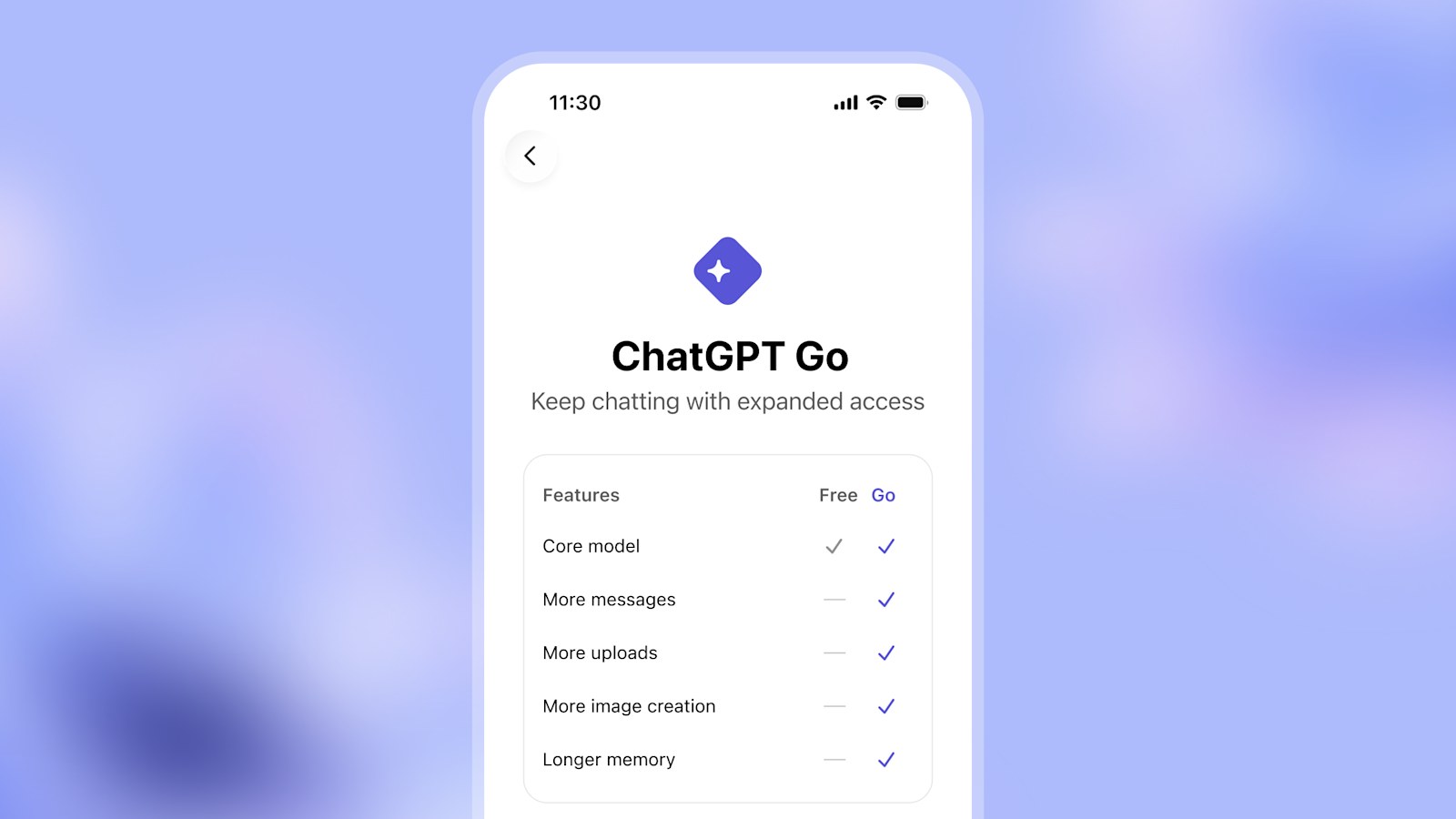
The Global Rollout: What Does ChatGPT Go Mean?
ChatGPT Go is the most immediately accessible entry point into advanced AI, designed to be a significant upgrade over the free experience without hitting the premium price tag.
For those who have been tracking the rollout, you know this plan has been steadily expanding its footprint. Now, it’s available everywhere ChatGPT operates. In the US, the price point is set at $8 per month.
The core value proposition of Go is simple: expanded access to GPT-5.2 Instant.
Choosing Your AI Stack: Plus vs. Pro
While ChatGPT Go is the entry-level upgrade, the true strategic decisions happen when you compare the Plus and Pro tiers. These aren't just slight bumps in price; they represent different levels of required computational power and workflow depth.
At $20 USD/month, ChatGPT Plus is positioned for the professional who requires deep, reliable reasoning. If your work involves complex document editing, intensive research, or data analysis, Plus is built for you.
The key differentiator here is the model access. Plus gives you expanded access to GPT-5.2 Thinking. This model is optimized for tasks that require methodical, multi-step reasoning—the kind of thinking that goes beyond simple generation. Furthermore, Plus retains the flexibility to use legacy models and includes access to the coding agent, Codex.