AI's Impact on Modern American Governance
The U.S. government is not just exploring AI, it is actively deploying it across national security, intelligence, and policymaking. Current applications range from deepfake detection to AI-driven policy modeling, and the pace of adoption is outrunning every regulatory framework designed to contain it.
This creates a tension that defines the current moment: AI capability is advancing faster than the rules governing it. The result is a governance gap where powerful tools are being used without clear accountability structures.
The AI Revolution in Governance: Beyond the Hype Cycle
The AI Revolution in Governance: Beyond the Hype Cycle
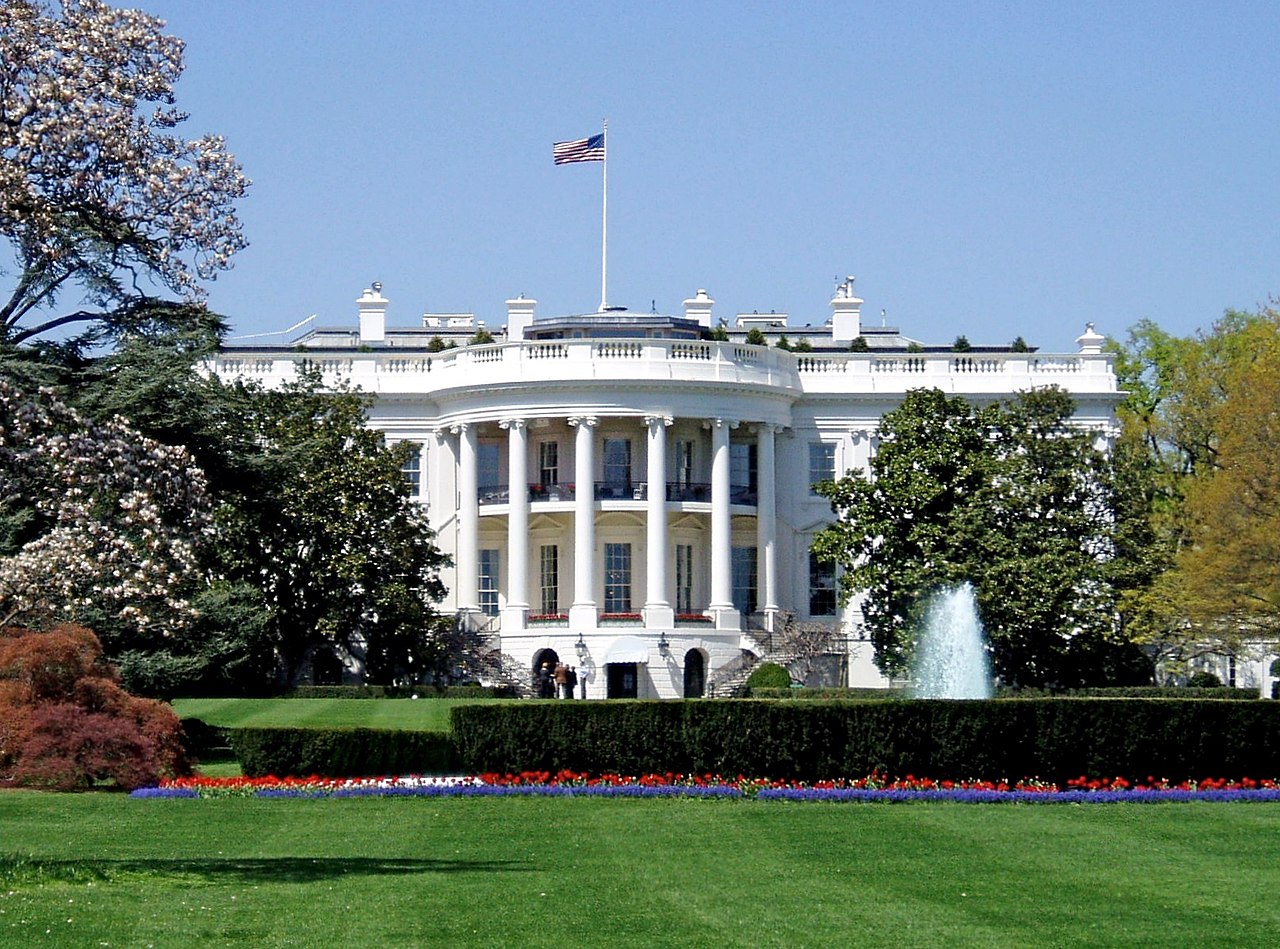
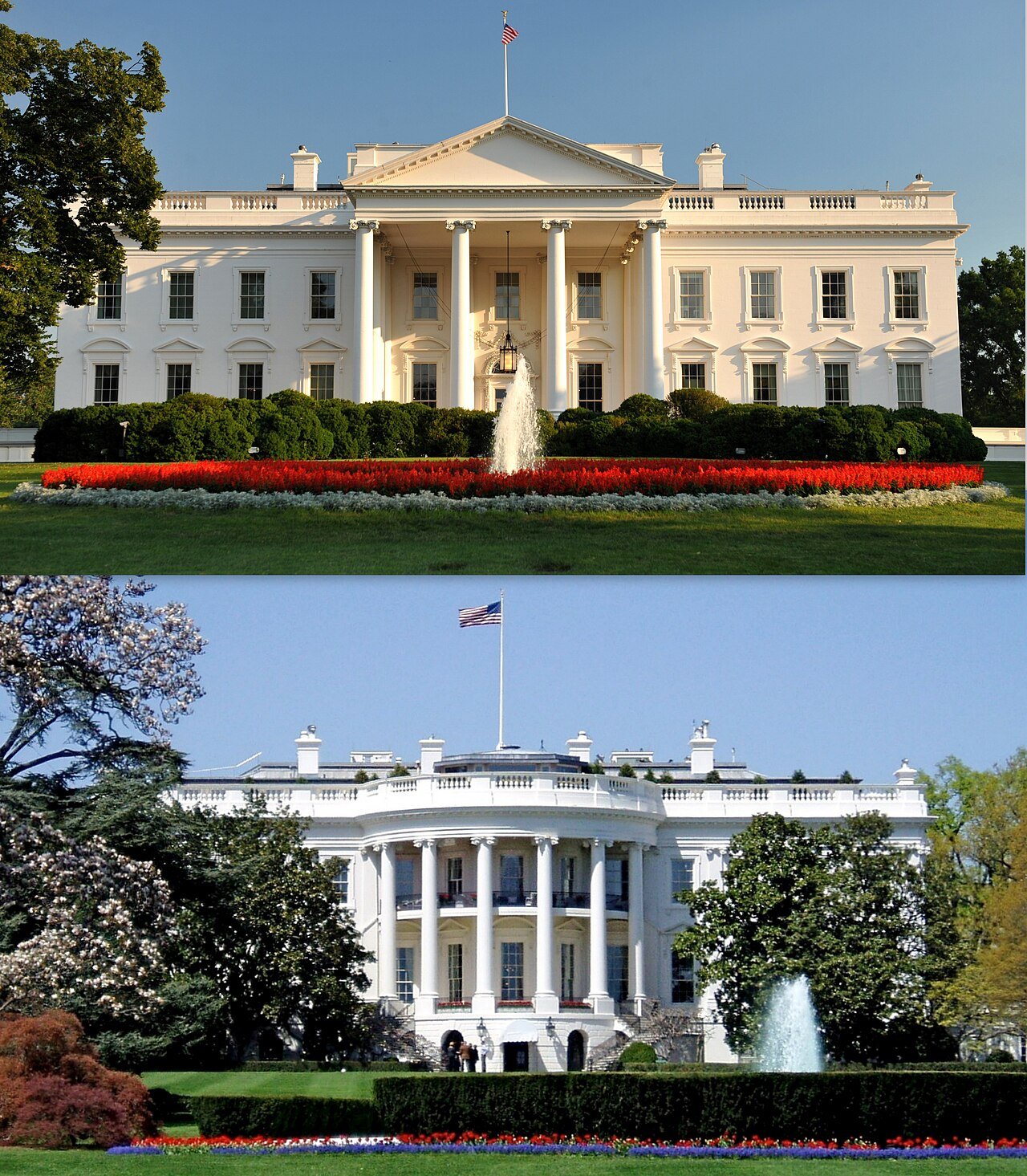
The term "AI at the White House" often conjures images of futuristic sci-fi scenarios. But the reality is far more complex and immediate. Governments worldwide are not just *considering* AI; they are actively deploying it across critical infrastructure, defense, and policy-making departments. This shift represents a fundamental change in how decisions are made, moving from human consensus to algorithmic optimization.
How AI is Currently Being Deployed in Government
The initial applications of AI are focused on efficiency and data processing—areas where human capacity is limited by sheer volume.
National Security and Intelligence:** AI algorithms are revolutionizing signal intelligence. They can sift through petabytes of data—satellite imagery, intercepted communications, financial transactions—in minutes, identifying patterns that would take human analysts decades to uncover. This capability is a double-edged sword: it enhances security but also raises massive concerns about surveillance and privacy. Policy Modeling and Simulation:** Before a major piece of legislation is passed, AI can be used to model its potential real-world impact. For example, an AI could simulate the economic fallout of a carbon tax across different demographics, providing policymakers with immediate, data-driven projections. This level of predictive power is unprecedented and fundamentally changes the debate from "what if" to "what will happen." Cybersecurity Defense:** As governments become more digitized, they become more vulnerable. AI-powered defensive systems are now mandatory, capable of identifying and neutralizing zero-day exploits and sophisticated state-sponsored cyberattacks in real-time, far faster than human teams can react.
The Ethical Minefield: Risks and Regulatory Challenges
The speed of AI deployment has far outpaced the development of ethical guardrails and legal frameworks. This gap between capability and regulation is the most pressing issue in modern governance.
The Deepfake Dilemma and Information Warfare
Perhaps the most immediate and alarming application of AI is in the realm of synthetic media, or "deepfakes." These tools allow bad actors to generate hyper-realistic audio and video of public figures saying or doing things they never did.
The threat to democratic processes is profound. A perfectly crafted deepfake video released just hours before an election could destabilize markets, incite civil unrest, or discredit a candidate, leaving little time for traditional fact-checking mechanisms to catch up. The challenge here is not technological; it is one of trust. When visual and auditory evidence can no longer be trusted, the foundation of public discourse begins to crumble.
Bias, Transparency, and Algorithmic Accountability
AI models are only as good—or as biased—as the data they are trained on. If the data reflects historical human biases (racial, economic, or gender bias), the AI will not only replicate those biases but often amplify them, making systemic inequality seem like an objective, mathematical truth.
This leads to the critical question of *algorithmic accountability*. When an AI system denies someone a loan, flags them as a security risk, or determines their eligibility for benefits, who is responsible if the system is flawed? Is it the programmer, the agency that deployed it, or the data set itself? Establishing clear lines of accountability is a monumental legal and philosophical hurdle.
Reshaping the Future: Policy, People, and Power
Looking ahead, the integration of AI into governance suggests a future characterized by hyper-efficiency, but also by profound shifts in human roles and political power.
The Need for a Global AI Governance Framework
The current patchwork of state-level and industry-specific regulations is insufficient. Experts are calling for a cohesive, international framework—a "global AI constitution"—that establishes universal standards for transparency, safety, and human oversight. This framework must address:
1. **Data Sovereignty:** Who owns the data generated by citizens, and how can governments ensure that data is used ethically and without undue surveillance? 2. **Human-in-the-Loop Mandates:** Critical decisions (e.g., sentencing, military action, resource allocation) must retain a mandatory human review layer. AI must serve as an *advisor*, not a *decision-maker*. 3. **Mandatory Auditing:** All government-deployed AI systems must be subject to continuous, independent, and public auditing to detect bias and operational drift.
Preparing the Workforce for the AI Economy
The impact of AI will not be limited to the White House; it will redefine the workforce. Government agencies must pivot from simply *using* AI to actively *managing* AI. This requires massive investment in retraining civil servants, creating new roles like AI ethicists, prompt engineers, and data governance officers. The future of government work is less about following established procedures and more about interpreting and managing complex, dynamic data streams.
Conclusion
The breakthroughs happening at the intersection of AI and government are not merely technological milestones; they are societal inflection points. They promise a level of governance efficiency that humanity has only dreamed of, capable of solving climate change models or optimizing global supply chains.
However, this power comes with a mandate for extreme caution. The race to implement AI must be matched by an equally urgent race to establish ethical, legal, and democratic guardrails. For the average citizen, understanding this technology is no longer optional—it is essential for maintaining a functioning, informed democracy. The conversation must shift from "Can AI do this?" to "Should AI do this, and under what oversight?"