Overview
The market narrative surrounding global monetary policy has undergone a dramatic reversal. Weeks ago, the focus centered on the timing and magnitude of Federal Reserve rate cuts for 2026. Today, the conversation has pivoted sharply toward the immediate threat of tightening, with rate hike probabilities rising significantly. This shift is fueled by persistent inflation and a confluence of geopolitical shocks, notably the sharp surge in oil prices.
The instability is visible across global fixed-income markets. Bond yields have accelerated upward, and the selloff is not limited to a single jurisdiction. Simultaneously, traditional safe-haven assets like gold and silver are showing considerable weakness, while major equity indices are tracking multiple consecutive weekly declines.
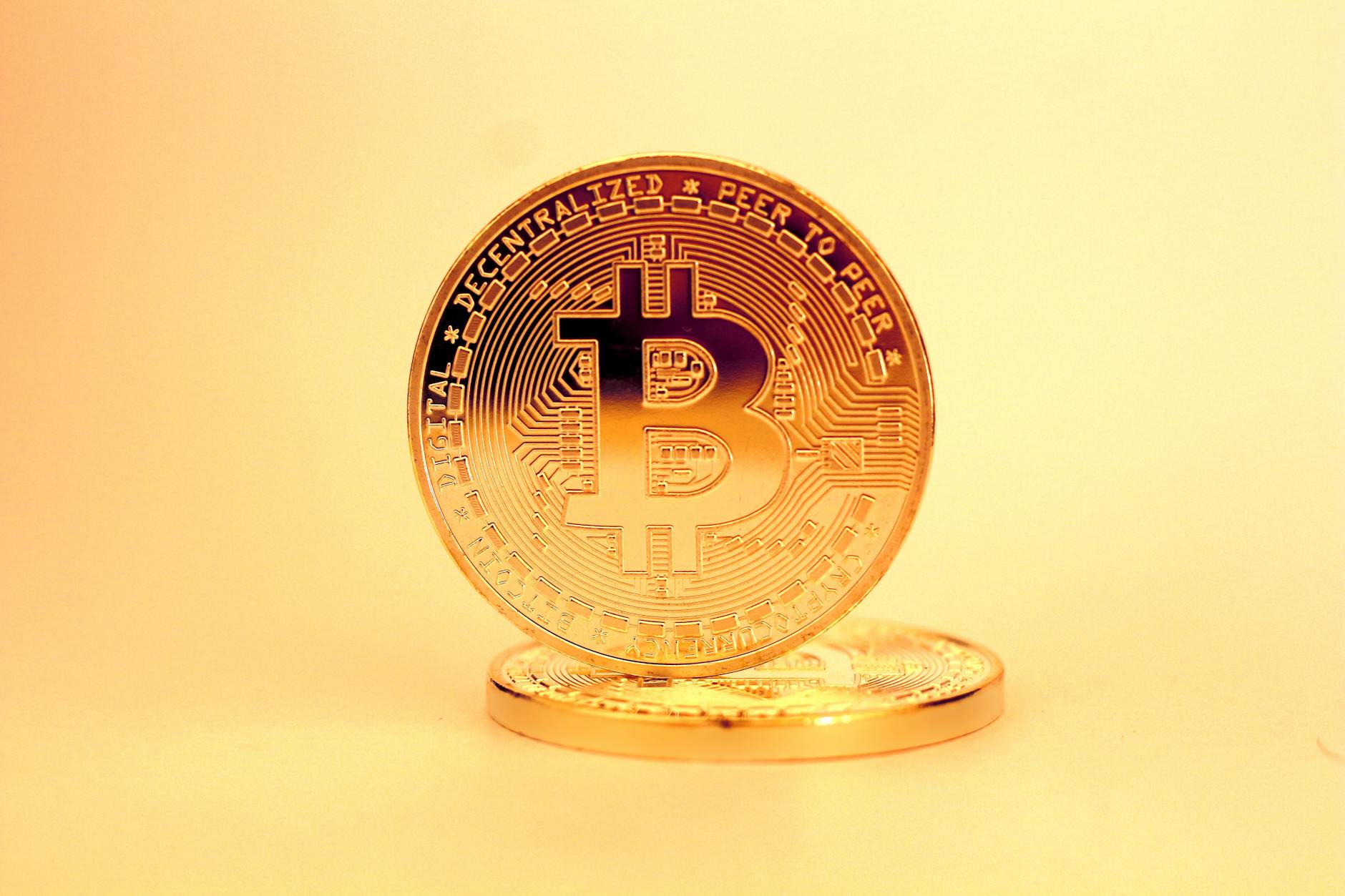
Bitcoin, meanwhile, continues to maintain a distinct position. Analysts are interpreting its current price action not merely as market movement, but as a predictive signal of deeper structural changes within the global financial system.
The Fed Pivot and Inflationary Pressure
The Fed Pivot and Inflationary Pressure
The primary catalyst for the current market anxiety is the rapidly changing outlook for U.S. monetary policy. Rate traders are now seriously pricing in the possibility of an imminent Federal Reserve tightening cycle, a stark contrast to the dovish expectations just months prior. According to CME FedWatch data, the probability of the Fed hiking rates at its next meeting in April has climbed to 12%. This represents a dramatic reversal from the zero percent probability observed just one week earlier.
The underlying data supporting this hawkish shift involves persistent inflation metrics. While headline inflation registered at 2.4% in February, the core inflation rate remained sticky at 2.5%. These figures persist above the central bank’s established 2% target, creating sustained pressure on the Fed’s decision-making process. This inflationary pressure has been exacerbated by external shocks, most notably the 50% increase in oil prices recorded over three weeks following the escalation of tensions in the Middle East.
The combination of sticky core inflation and rapidly rising energy costs suggests that the traditional assumption of a soft landing is rapidly eroding. The market is now factoring in a more aggressive policy response, moving away from the anticipated cycle of cuts and toward a necessary, albeit painful, period of monetary tightening.
Global Bond Selloff and Asset De-risking
The stress emanating from monetary policy expectations is immediately reflected in the global bond market. The selloff has been profound and widespread. In the United Kingdom, 10-year gilt yields have surged past the 5% mark, reaching levels not seen since the 2008 financial crisis. This represents a 15% jump over the past month alone.
In the U.S., the trend is equally pronounced. The 10-year Treasury note has fallen significantly, dropping another 10 basis points to 4.38% on Friday, moving sharply down from levels under 4% at the start of March. This rapid repricing of long-term debt signals a deep repricing of risk across the board.
The decline is not confined to sovereign debt. Equities are experiencing significant downward momentum; the S&P 500 is tracking toward its fourth straight weekly decline, falling by more than 5% since late February. Even precious metals, historically viewed as inflation hedges, have seen substantial pullbacks. Gold, which traded near $5,500 at the beginning of the month, has retreated to around $4,569 per ounce. Silver has seen an even steeper decline, dropping to $69.50 per ounce from $95.
Bitcoin as the Macro Indicator
Amid the simultaneous decline of traditional assets, Bitcoin has continued to command attention for its perceived predictive power. Experts are increasingly characterizing the cryptocurrency not just as a speculative asset, but as a leading indicator of macro shifts. As one research head noted, Bitcoin is acting as the "canary in the macro coal mine."
The argument posits that while many traditional assets—equities, gold, and bonds—are reacting to immediate rate hike fears and inflation data, Bitcoin is pricing in the deeper, systemic risk: a potential recession. While the asset has been volatile, hovering around the $70,000 mark, its relative performance since the start of the year suggests a degree of resilience that contrasts sharply with the capitulation seen in other asset classes.
This divergence suggests that the market is segmenting its risk appetite. Capital is flowing toward assets that maintain a low or negative correlation with traditional financial cycles. Bitcoin’s continued ascent, despite the bearish signals from the bond curve and equity indices, suggests that institutional capital is re-evaluating risk exposure and seeking non-sovereign, decentralized stores of value.