Overview
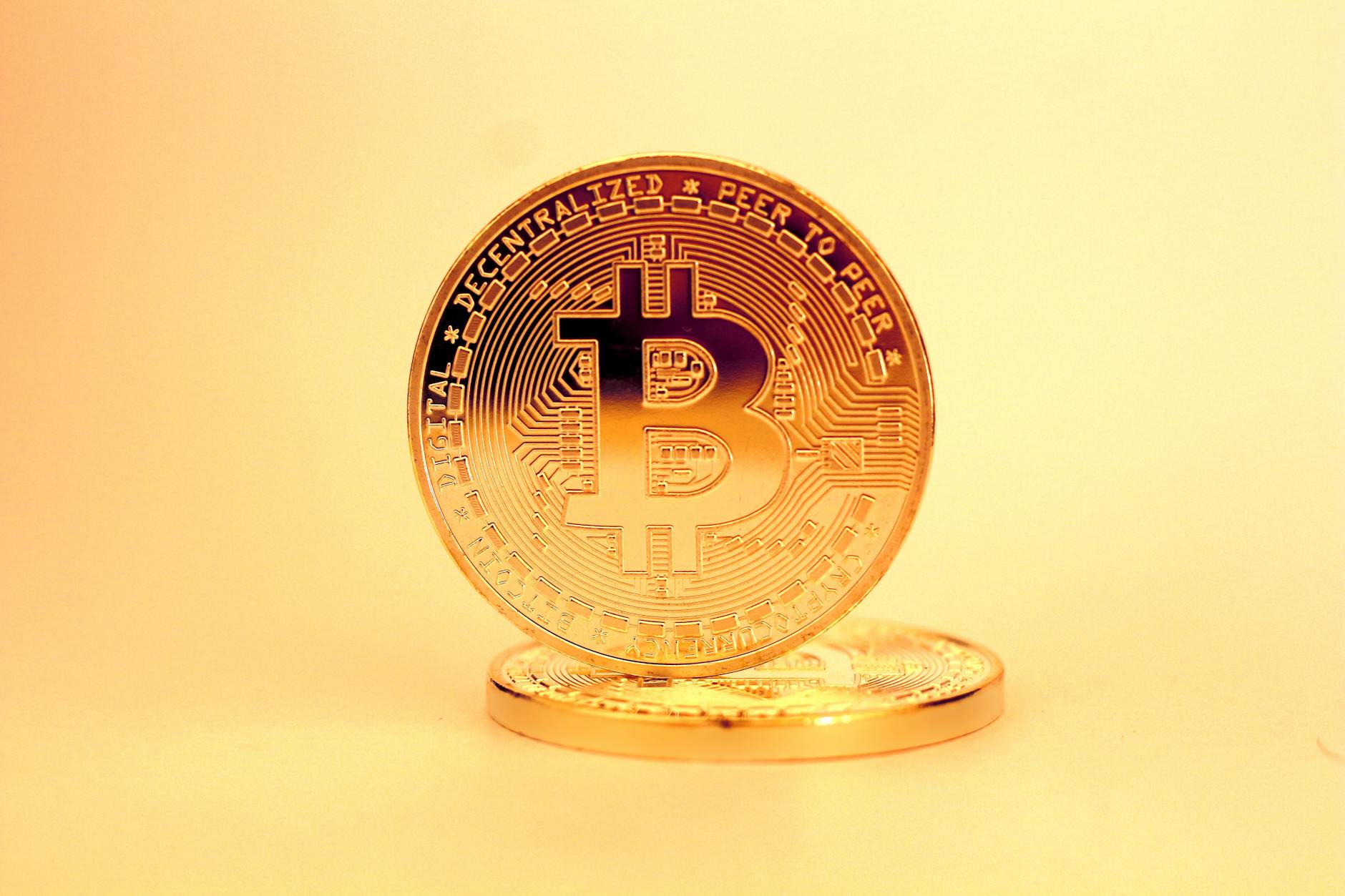
Bitcoin advanced to $71,000, marking a significant rebound that propelled the broader crypto market. The rally was underpinned by a massive liquidation event, with over $550 million in leveraged short positions being forcibly closed. This move provided immediate upward momentum, allowing BTC to gain 4% over the preceding 24 hours, a performance that saw it outpace traditional safe-haven assets like gold, even amid geopolitical instability.
The market's current structure presents a mixed picture. While the price action suggests renewed bullish sentiment, the underlying derivatives data tells a more complex story. The capital fueling the rebound appears to be derived from forced liquidations rather than fresh, committed institutional buying, a critical distinction for market participants tracking true conviction.
Meanwhile, the altcoin sector is showing notable relative strength, with artificial intelligence tokens leading the charge. This sectorial rotation suggests capital is moving beyond pure BTC exposure, seeking higher beta assets. However, this optimism is tempered by persistent concerns regarding the stability of decentralized finance (DeFi) and the fading momentum of the memecoin landscape.
The Liquidation Engine Driving Bitcoin's Surge
The Liquidation Engine Driving Bitcoin's Surge
The primary catalyst for Bitcoin's recent upward trajectory was the massive unwinding of bearish bets. Over $550 million in leveraged crypto futures contracts were liquidated within the last 24 hours, with the vast majority of the losses concentrated among short sellers. This forced buying pressure provided the immediate fuel for the price spike, pushing BTC toward the $71,000 mark.
Analysts are paying close attention to the mechanics of this rebound. While the 4% price gain is undeniably robust, the accompanying derivatives metrics suggest the rally lacks the foundational support of new capital inflow. Open interest (OI) across major USD- and USDT-denominated BTC and ETH futures has actually declined, dropping from 229,000 BTC to 228,000 BTC. This decline in OI signals that the upward movement is largely a function of short-covering—a technical, rather than fundamental, buying pressure.
The picture is further complicated by macroeconomic factors. The crypto market has maintained a degree of resilience, continuing to outperform gold despite escalating tensions in the Middle East and weakness in U.S. equity futures. The fact that BTC is holding up against a backdrop of geopolitical uncertainty suggests a degree of institutional acceptance, but the technical indicators caution that the market remains susceptible to rapid reversals should the liquidation cycle exhaust itself.
Altcoin Rotation and the AI Narrative
The strength in Bitcoin is not isolated. Altcoins are demonstrating selective resilience, with the artificial intelligence sector leading the charge. Asian trading hours were particularly favorable to AI-themed tokens, with assets like Bittensor (TAO) and FET posting gains exceeding 4% and 5.8% respectively. This performance is directly linked to external narratives, specifically the recent comments from Nvidia CEO Jensen Huang regarding the achievement of Artificial General Intelligence (AGI).
This sectorial rotation indicates that capital is actively seeking higher-beta exposure beyond the Bitcoin dominance structure. The CoinDesk 80 (CD80) Index, which tracks altcoins, has risen by more than 1%, outpacing the BTC-dominant CD20 Index. This suggests a healthy, albeit speculative, appetite for diversification within the crypto ecosystem.
However, the enthusiasm is not uniform. While certain sectors, such as AI, are surging, the DeFi space is grappling with structural weaknesses. The recent shutdown of major players like Balancer Labs and high-profile hacks, such as the Resolv stablecoin incident, have cast a shadow over the sector. Similarly, the memecoin market, while historically volatile, is showing signs of fatigue, suggesting that the speculative fervor is currently concentrated in specific, narrative-driven tokens rather than broadly across the altcoin basket.
Structural Risks and Market Divergences
Despite the headline price action and the strong performance of AI tokens, several structural risks warrant deep scrutiny. The most immediate concern remains the relationship between price action and open interest. The declining OI suggests that the market's momentum is built on a finite supply of short sellers to liquidate, rather than sustained, growing conviction.
Furthermore, the DeFi sector’s current state presents a clear divergence between potential and reality. Market watchers are pointing to a lack of attractive yield opportunities coupled with inherent protocol risk, creating a challenging environment for capital deployment. This caution is reflected in the derivatives market, where while funding rates for major pairs remain bullish (5% to 10%), protective put options continue to show significant interest, indicating that sophisticated traders are hedging against potential downside moves.
The geopolitical backdrop adds another layer of complexity. While the market has shown historical resilience during conflicts, the continued instability in the Middle East means that external shocks remain a constant threat. The market is currently navigating a delicate balance: capitalizing on short-term technical momentum while remaining exposed to macro-level geopolitical and systemic financial risks.