

The schedule is the story
Set names get the headlines, but release timing is the real structural change. Bandai has been tightening the gap across One Piece, Dragon Ball Fusion World, and Gundam Card Game, and that changes how all three games feel to play.
For years, Western players of Japanese-led TCGs lived behind the first wave. Japan opened the cards, Japan tested the format, Japan found the best decks, and everyone else followed the trail.
When that gap closes, the game feels less imported and more global. That is a much bigger deal than another product calendar line.
The information advantage gets smaller
The information advantage gets smaller
The old advantage was simple: if you followed Japanese results closely, you were ahead of your local scene. You knew the early leaders, the chase cards, and the first mistakes before your region had packs in hand.
Tighter global timing weakens that advantage. Everyone gets less time to copy, which means week-one testing matters more and local creativity gets more room to matter.
That is good for the health of the games. A format is more fun when players are solving it together instead of importing the answer key.
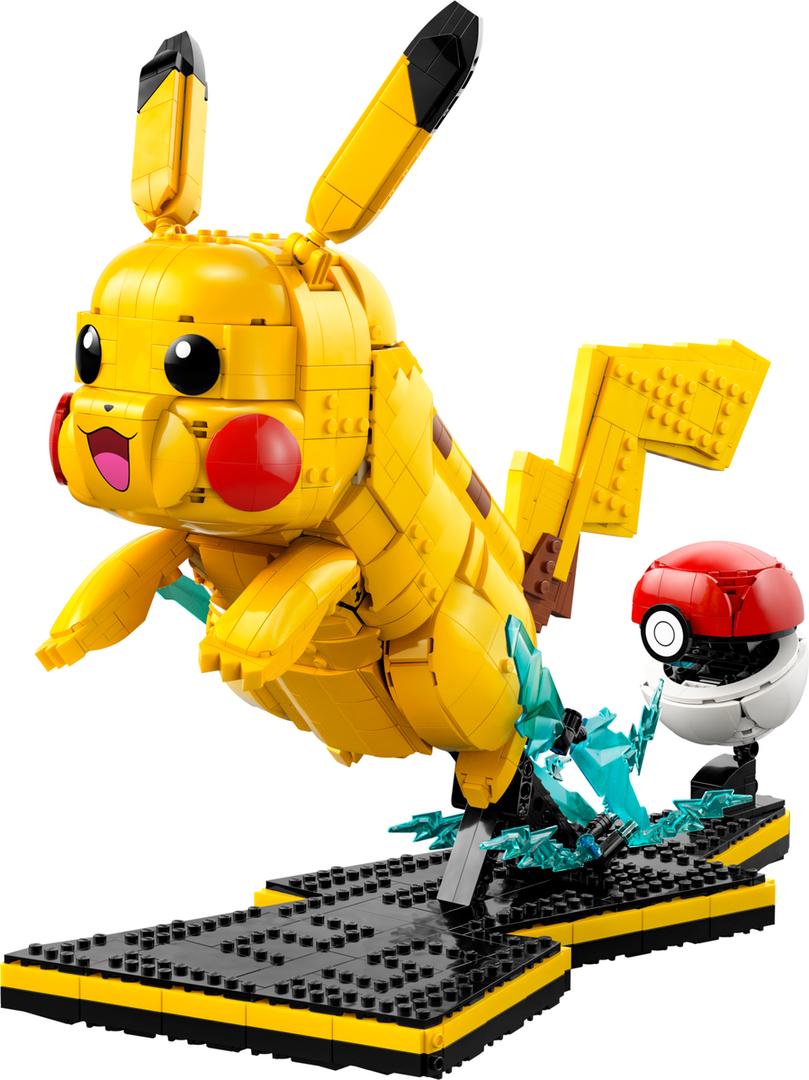
LEGO Pokemon Pikachu and Poke Ball 72152
Display build for Pokemon collectors who want something beyond sealed cards
Affiliate links. We may earn a commission at no extra cost to you.
Collectors feel it too
Release gaps also shaped the secondary market. Japanese cards could spike in Western markets because Western buyers had no local supply yet. That made some chase cards feel expensive before the actual local release even had a chance to breathe.
Near-global releases reduce that pressure. Local supply arrives faster, imported premiums get harder to justify, and buyers have a better chance of making decisions after seeing real availability.
That does not mean chase cards get cheap. It means the price has to come from demand for the card, not just the calendar gap.
Bandai had to grow up here
Pokemon and Magic already trained players to expect synchronized releases and clear competitive timelines. Bandai could get away with messy regional gaps when its games felt newer and more niche. That window is closing.
One Piece is too big now. Gundam launched with global ambition. Fusion World needs stability if it wants players to treat it like more than a collector side game.
Tighter release timing is Bandai acting like these games are built for the long haul. That is the right move.
My read
If you play Bandai TCGs in the West, 2026 is already better than 2024. You are getting closer to the real format, faster access to cards, and less of that annoying feeling that your region is playing catch-up.
If you collect, be more patient with imported premiums. The local release may be close enough that paying the early markup makes less sense.
This is the kind of boring scheduling change that quietly improves everything. Less lag, less guessing, better games.
Related coverage
More from the broader TCG industry beat: OP-16 Time of Battle preview and what JP players know first, Victory Gundam Blue's dominance after Phantom Aria, and why Manga Booster 02 is a collector-first Fusion World release.


