Token launches and the hype cycle
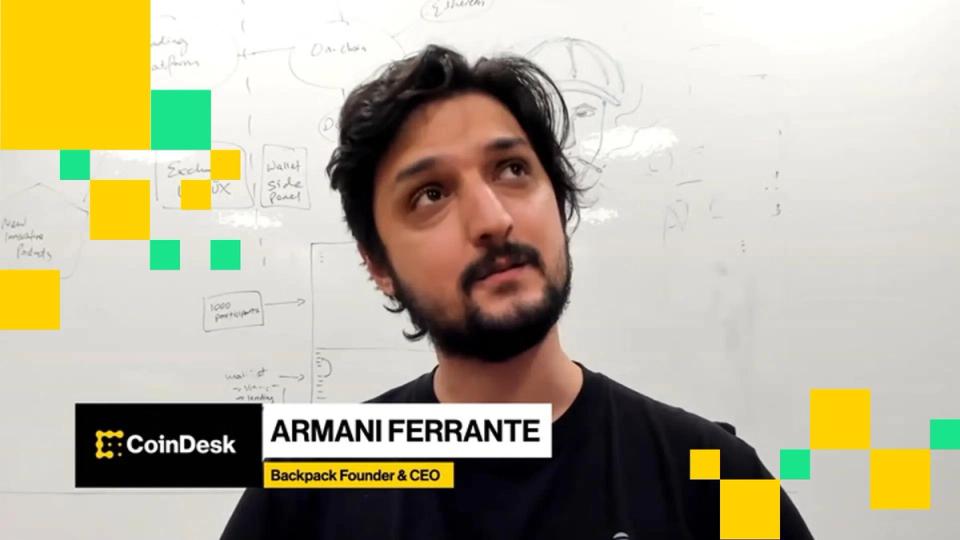
Most token launches follow a predictable script: insiders and VCs take the bulk of the supply, retail buyers get the leftovers, and the tokenomics are structured to benefit early holders at everyone else's expense. Backpack Exchange's BP token on Solana breaks from that pattern.
The distribution mechanics are designed to give actual users meaningful allocation. Whether that holds up over time depends on execution, but the structure itself is a deliberate departure from the standard playbook.
When a major exchange launches a native token, the distribution is usually the first thing to get scrutinized.
The Tokenomics Breakdown: Why the Initial Allocation Matters
When a major exchange launches a native token, the distribution is usually the first thing to get scrutinized. Historically, the majority of the supply—the "insider allocation"—is reserved for the founding team, early investors, and advisors. This structure means that the initial liquidity and early upside are heavily concentrated at the top, leaving the retail user with a secondary, often delayed, payout.
Backpack’s approach deviates sharply from this norm.
They launched with a total supply of 1 billion BP tokens. Crucially, 25% of that supply—approximately 250 million BP—is being distributed out to users right at the start. This isn't just a trickle; it's a significant initial dump designed to reward the community.
Beyond the Airdrop: The Long Game and Equity Linkage
If the initial 25% airdrop is the immediate hook, the remaining supply is where the real long-term value proposition lies.
The vast majority of the tokens are not sitting in a single, easily accessible pool. Instead, they are subject to a complex, multi-phase unlock schedule tied directly to the company's operational milestones. This is smart tokenomics, because it means the token's value is intrinsically linked to the success of the company, not just the hype cycle.
Think of it this way: If Backpack hits major operational goals—like expanding into new markets or launching significant new products—those milestones trigger the release of the next tranche of tokens. This creates a powerful, self-reinforcing incentive structure. The token isn't just a governance mechanism; it's a performance metric.