Overview
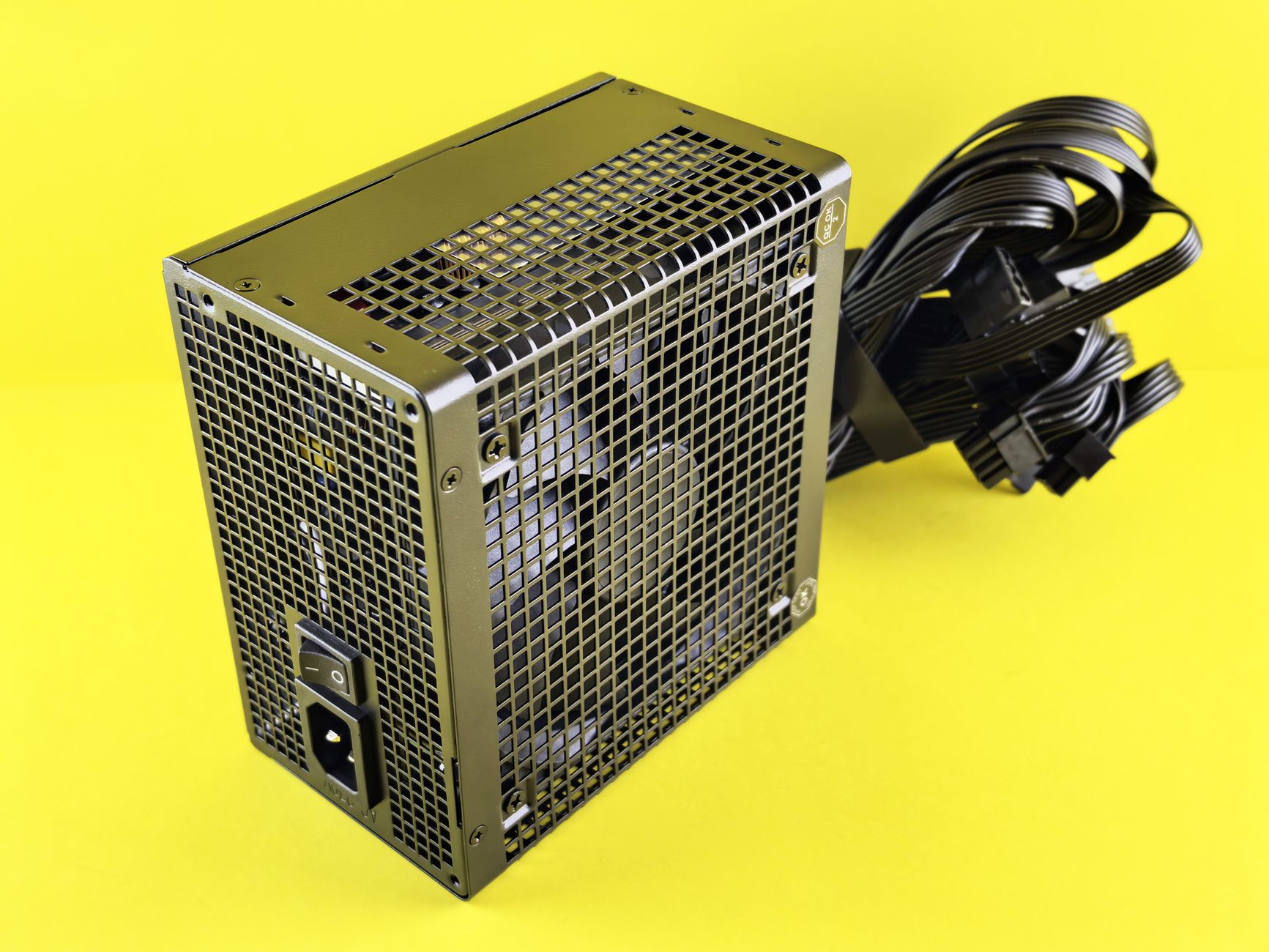
Apex Gaming PCs has issued a recall affecting nearly 18,000 power supply units (PSUs) due to the absence of required safety labeling. The issue, while concerning from a regulatory standpoint, has been clarified by the manufacturer: the units themselves are functionally safe and operate without defect. The necessary corrective action involves the mailing of a warning sticker to affected customers, which addresses the labeling compliance gap.
This recall highlights a critical, though often overlooked, aspect of high-performance PC component manufacturing—the necessity of rigorous adherence to safety and regulatory labeling standards. For builders relying on these components for demanding gaming and professional workloads, the integrity of the PSU is paramount, not just for stable power delivery, but for overall system safety.
The details surrounding the recall emphasize that the failure point was purely cosmetic and regulatory, not functional. This distinction is vital for the consumer base, who must understand that while the label issue requires remediation, the core electrical components and internal safety mechanisms of the affected PSUs remain sound.
The Specifics of the Labeling Defect
The Specifics of the Labeling Defect
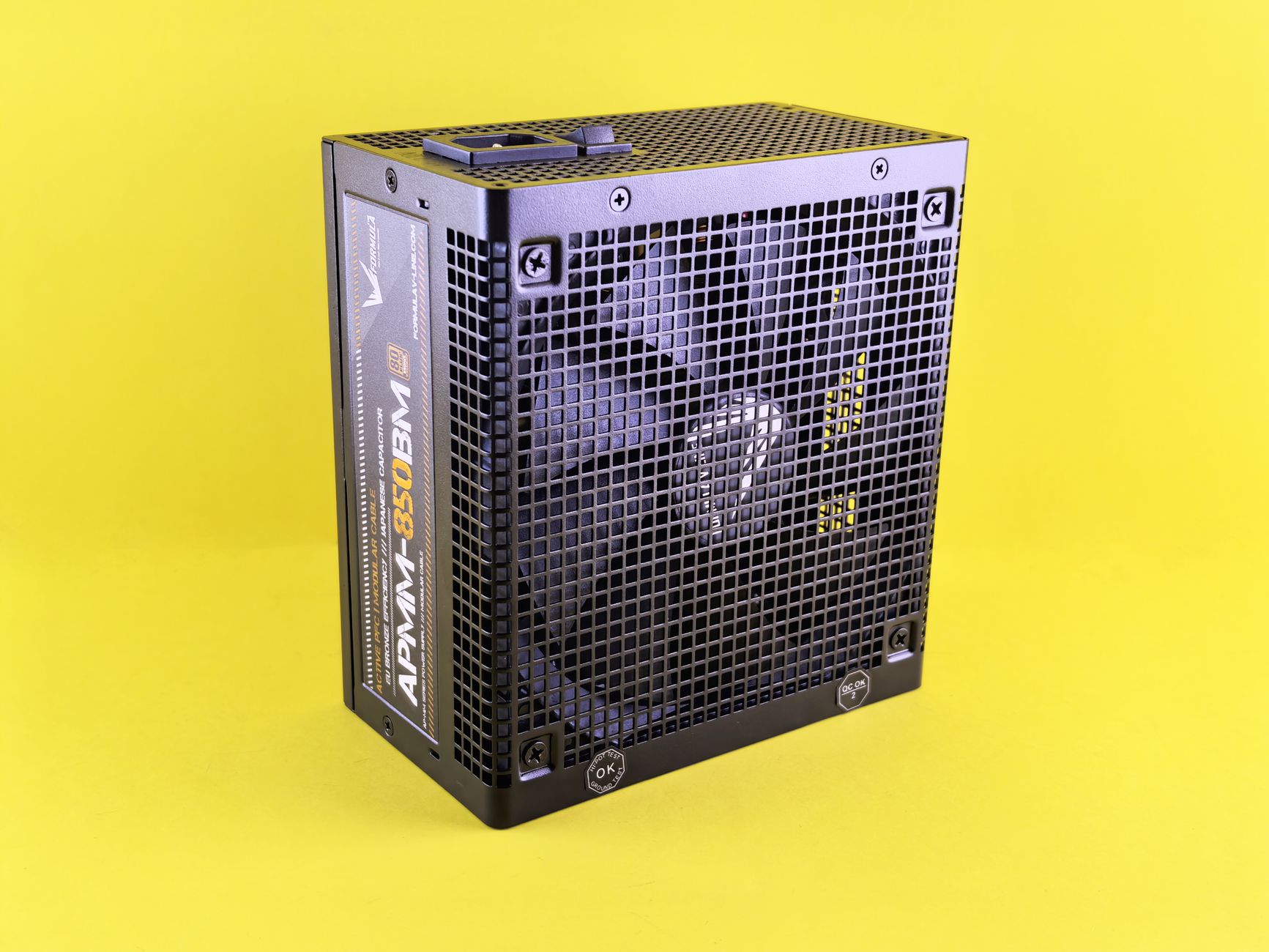
The recall centers on a failure to apply mandated safety labels to the batch of PSUs. These labels are not merely decorative; they are critical components of the product's compliance documentation, providing necessary information to both end-users and regulatory bodies regarding the unit’s operational parameters and safety certifications.
The scope of the recall is precise, affecting approximately 18,000 units sold under the Apex Gaming PCs brand. The manufacturer’s response has been methodical, focusing on a direct, non-invasive fix. Instead of mandating a full return and replacement of the hardware, Apex Gaming PCs is implementing a corrective measure via mail—the shipment of the required warning sticker.
This approach suggests that the underlying hardware quality control processes for the power delivery components themselves were not compromised. The issue was confined strictly to the external compliance packaging. For industry observers, this signals a potential bottleneck or lapse within the final assembly or quality assurance phase of the supply chain, rather than a fundamental design flaw in the PSU architecture.
Understanding PSU Safety and Regulatory Compliance
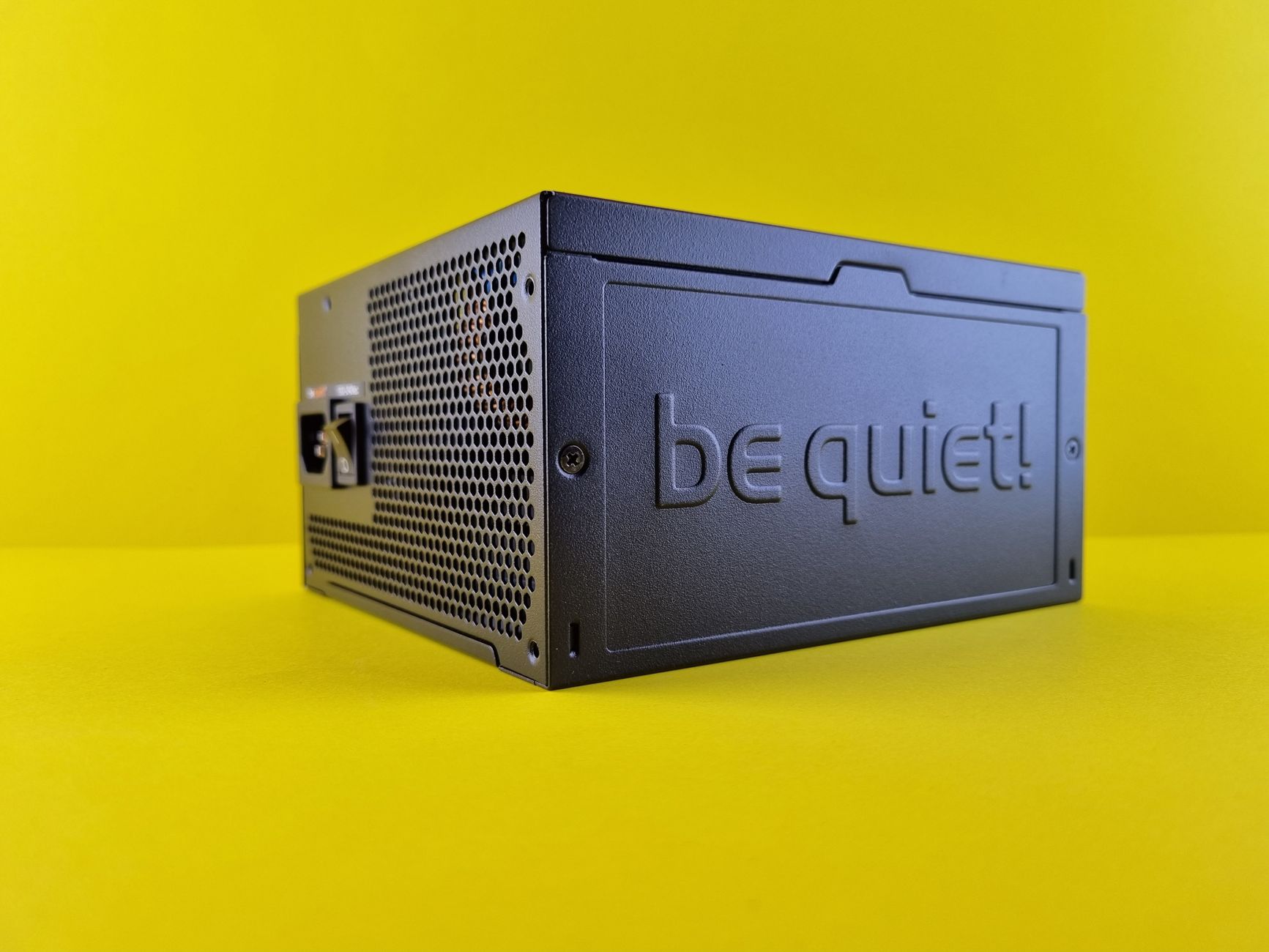
In the high-stakes world of gaming PCs, the power supply unit is arguably the single most critical component. It acts as the foundational energy source, converting alternating current (AC) from the wall into the stable direct current (DC) voltages required by the CPU, GPU, and peripherals. A failure in the PSU can lead to catastrophic system failure, data loss, or, in the worst-case scenario, electrical hazard.
Regulatory bodies worldwide impose stringent requirements on PSUs, covering everything from efficiency ratings (like 80 PLUS Gold or Platinum) to physical safety markings. These markings confirm that the unit has passed rigorous testing for thermal management, over-voltage protection, and ripple suppression. The missing label issue, while seemingly minor, represents a failure to meet the necessary documentation standards that accompany these physical safety guarantees.
The industry standard demands that any component sold, particularly one handling the full power load of modern high-end GPUs, must carry verifiable proof of its compliance. The recall, therefore, serves as a tangible case study in the necessity of end-to-end quality assurance, proving that even minor labeling lapses require immediate and transparent corporate response.
Implications for Component Sourcing and QC
This incident throws a spotlight on the volatile nature of global component sourcing and the often-complex logistics of manufacturing. When a company handles tens of thousands of units, the chance of a quality control lapse—be it in labeling, firmware flashing, or component integration—increases exponentially.
For PC builders and system integrators, the primary concern is not just the initial performance metrics but the long-term reliability and the traceability of components. A recall, regardless of its cause, forces a temporary dip in consumer confidence and requires manufacturers to dedicate significant resources to auditing their internal processes.
The fact that the fix is a sticker, rather than a complete unit replacement, suggests that Apex Gaming PCs has a robust internal understanding of where the failure occurred. This level of specificity is valuable data for the wider tech journalism community, as it helps differentiate between a genuine, systemic hardware flaw and a manageable, logistical compliance issue. It underscores the difference between "safe to use" and "fully compliant."