Overview
The race for cheap, abundant electricity just gained a formidable new competitor. Anthropic, a major AI player, announced a partnership with Google and Broadcom for multiple gigawatts of next-generation TPU compute capacity starting in 2027. This commitment, which accelerates the company's annual revenue run rate to $30 billion from $9 billion at the end of 2025, signals that the rapid buildout of AI infrastructure is now a direct, massive drain on the same scarce resources—grid connections, land, cooling, and cheap power—that bitcoin miners rely upon.
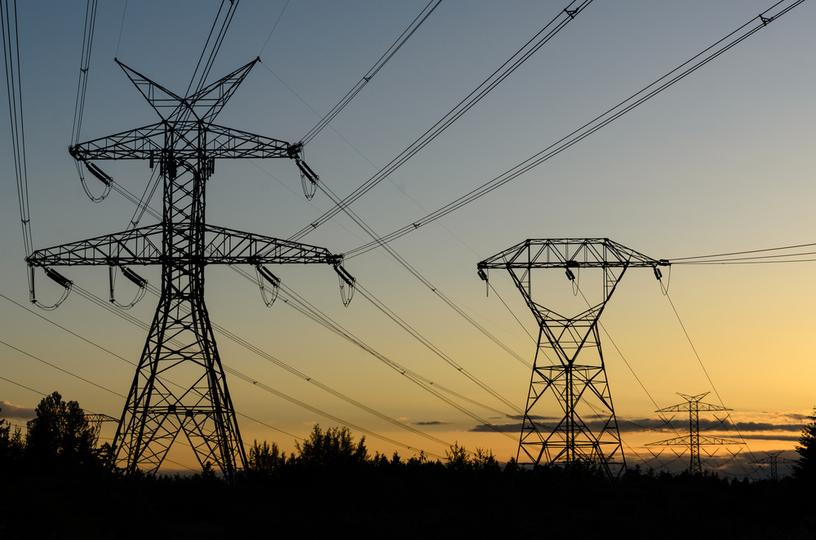
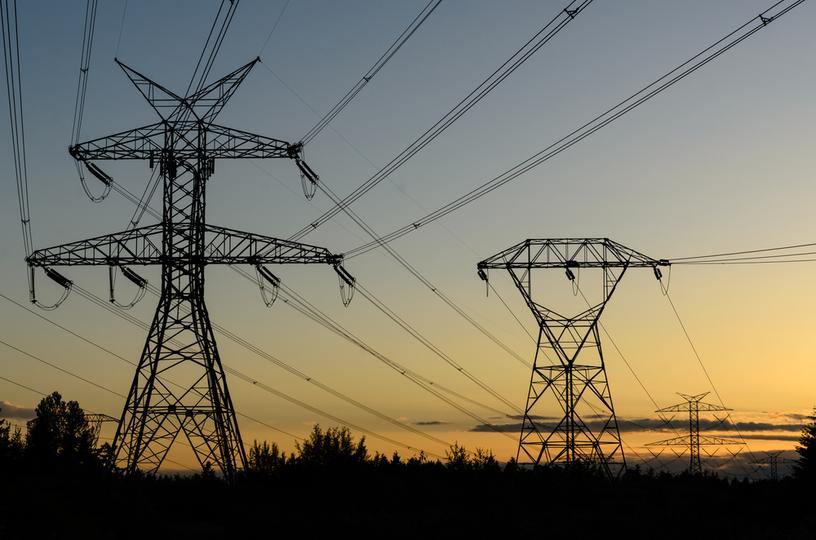
The scale of this demand is unprecedented. Anthropic securing multiple gigawatts from a single deal, layered on top of existing capacity commitments from AWS Trainium, Google TPUs, and Nvidia GPUs, solidifies AI's position as a peer-level energy consumer. A Cambridge tracker estimates global bitcoin mining consumes between 13 and 25 gigawatts of continuous power, and Anthropic’s single deal alone rivals or exceeds that estimate, all while only one company is involved.
This compute boom is fundamentally reshaping the economics of the entire digital infrastructure sector. The market is moving away from pure-play mining operations toward integrated power and data center providers, forcing miners to reassess whether their primary function is securing a decentralized ledger or providing rent-able, high-capacity compute time to the burgeoning AI industry.
The Compute Arms Race Intensifies
The Compute Arms Race Intensifies
The sheer magnitude of AI compute demand has elevated the struggle for power from a niche industry concern to a critical global infrastructure issue. OpenAI, for instance, has described compute as a "strategic moat" and is building an even wider portfolio spanning five cloud providers and four chip platforms, further escalating the resource competition.
The AI compute buildout now represents one of the largest sources of new electricity demand in the United States, arriving at a moment when bitcoin miners are facing mounting financial pressure. Traditional mining economics, which rely on fluctuating bitcoin prices and network difficulty, are proving increasingly volatile. This volatility is forcing major players to look for stable, contracted revenue streams.
The challenge is not just the power itself, but the supporting infrastructure. Building out gigawatt-scale facilities requires not only electricity but also complex land permits, specialized cooling systems, and reliable grid connections—all of which are becoming major bottlenecks and points of contention between the crypto and AI sectors.
Miners Pivot to Hosting AI Workloads
In response to the rising costs and volatile nature of mining revenue, major bitcoin mining firms are strategically pivoting their business models. They are increasingly positioning themselves not merely as miners, but as comprehensive power and data center infrastructure providers that also mine bitcoin.
This shift is visible in the actions of industry leaders. Core Scientific, for example, converted a significant portion of its mining capacity into AI hosting through a deal with CoreWeave. Similarly, companies like Iris Energy and Hut 8 have expanded their focus on high-performance computing and AI revenue streams.
The financial calculus is clear: a gigawatt of capacity rented to an AI company provides a contracted rate with predictable, stable cash flows. In contrast, the revenue generated by running that same gigawatt solely for bitcoin mining fluctuates wildly with the spot price of BTC and the difficulty adjustments of the network. This economic disparity is driving the operational decisions of the industry.
What It Means
The market is undergoing a fundamental bifurcation. The era of the pure-play, bitcoin-only mining operation is rapidly concluding. The overwhelming, predictable demand for compute power from AI giants like Anthropic and OpenAI is proving to be a more stable and lucrative revenue source than the volatile nature of mining itself.
Bitcoin mining is not disappearing, but its operational model is being forced to adapt. The industry is evolving into a hybrid model, leveraging its existing real estate and power access to serve the AI boom while maintaining a profitable mining footprint. The race for cheap power has transformed from a battle between two technologies into a complex, multi-industry competition for the planet's most scarce resource.
# Tags Bitcoin, AI, Anthropic, Compute, Energy, Data Centers, Crypto, Infrastructure