Corporate Gatekeeping and the Future of AI
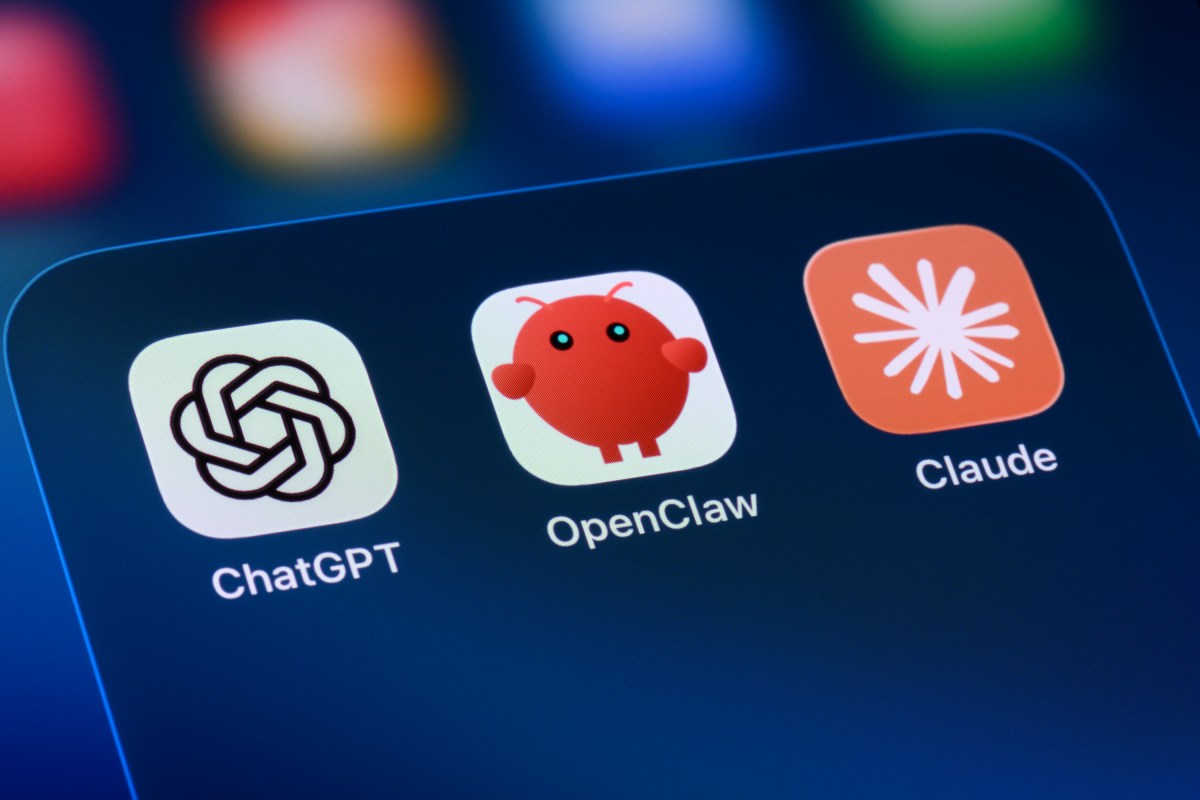
The AI landscape is supposed to be a wild frontier—a place where innovation explodes and ideas are cheap. Instead, sometimes it feels more like a series of heavily guarded corporate fortresses. The latest incident involving Anthropic and OpenClaw’s creator is a textbook example of this gatekeeping.
When a major player like Anthropic temporarily revokes access to its flagship model, Claude, for a specific developer, it sends a clear, if uncomfortable, signal: access is not a right; it's a privilege. For the young, sharp developers and builders who are fueling the next wave of AI applications, this isn't just a minor inconvenience. It’s a fundamental question about ownership, control, and the true spirit of open development.
The drama surrounding OpenClaw and the sudden ban highlights the tension between proprietary, closed-loop AI development and the decentralized, rapid-fire innovation that defines the best tech breakthroughs. If the biggest models are controlled by a handful of corporate entities, how fast can the industry actually move? We break down what this move means for builders, the open-source community, and the overall trajectory of generative AI.
The core issue here isn't the ban itself; it's what the ban represents.
The Gatekeeper Problem: Why Access Matters
The core issue here isn't the ban itself; it's what the ban represents. Anthropic, a leader in the LLM space, controls access to Claude—one of the most powerful and sophisticated models available. For developers like the creator of OpenClaw, having continuous, unrestricted access is the equivalent of having unlimited compute power and the best tool in the box.
When that access is suddenly restricted, it doesn't just halt a project; it creates a dependency crisis. Developers build entire workflows, applications, and unique intellectual property (IP) around the capabilities of these top-tier models. They are betting their time, their reputation, and their potential business on the stability and availability of that API key.
From a technical standpoint, the reliance on single, proprietary endpoints is a massive risk factor for the entire ecosystem. It forces builders into a position of perpetual vulnerability. They are building on rented land. If the landlord decides they need to enforce a policy, or if they simply disagree with the tenant, the entire structure can crumble overnight.
Open Source vs. Proprietary Walls
The OpenClaw situation perfectly encapsulates the ongoing battle between the "open" ethos of technology and the increasing trend toward walled-garden AI.
The open-source community thrives on the principle of shared knowledge and collective building. When a developer creates a tool, the goal is often to make it accessible, forkable, and usable by anyone, anywhere. This philosophy is what allowed GitHub, Linux, and countless other foundational technologies to flourish.
However, the most powerful, cutting-edge models—the ones that truly push the boundaries of reasoning, context window, and multimodal understanding—are often locked behind private APIs. This creates a perverse incentive structure: the best tools are proprietary, forcing developers to rely on the goodwill and policies of the corporate owners.