AI Rewrites BIOS Forcing Unsupported CPU to Work
Discover the cutting edge of tech: A modder successfully bypassed hardware limitations by using Claude AI to rewrite the BIOS, enabling an unsupported 12 P-core CPU to run on a Z790 motherboard. Read how LLMs are changing PC building forever.
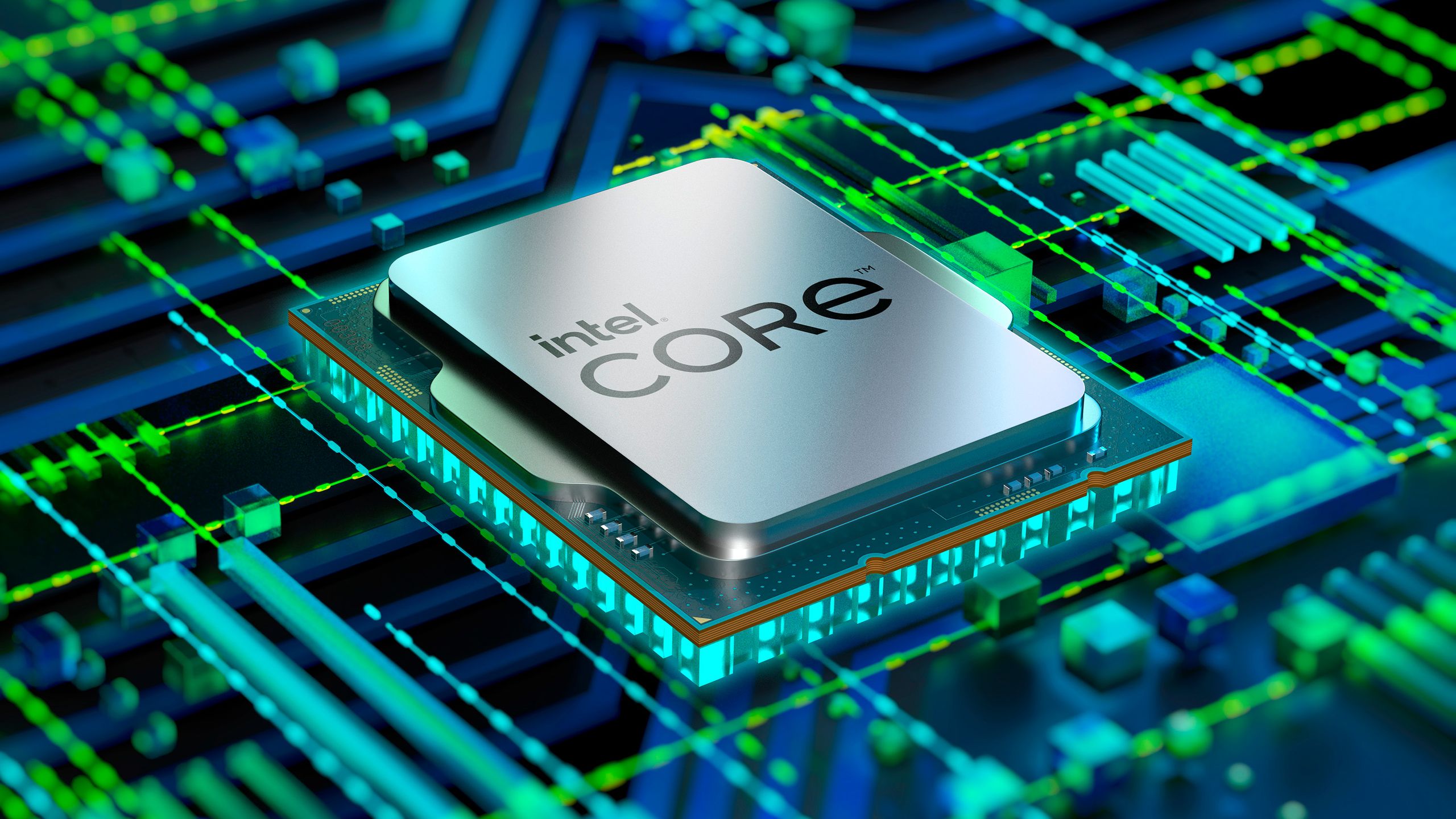
(Placeholder: A dramatic, high-resolution image showing a motherboard (Z790) with a CPU socket, overlaid with glowing binary code or an AI interface graphic, suggesting a "mind-bending" technical breakthrough.)
The Compatibility Crisis: Why Was the CPU Unsupported?
The Compatibility Crisis: Why Was the CPU Unsupported?
To understand the magnitude of this achievement, we first need to understand the concept of CPU compatibility and the role of the BIOS (Basic Input/Output System).
A CPU is not a standalone genius; it is a complex piece of silicon that requires a set of precise instructions to function. These instructions are embedded in the motherboard’s firmware—the BIOS. The BIOS acts as the initial handshake, telling the operating system (like Windows) exactly what kind of CPU it is talking to, how fast it can run, and what resources it can access.
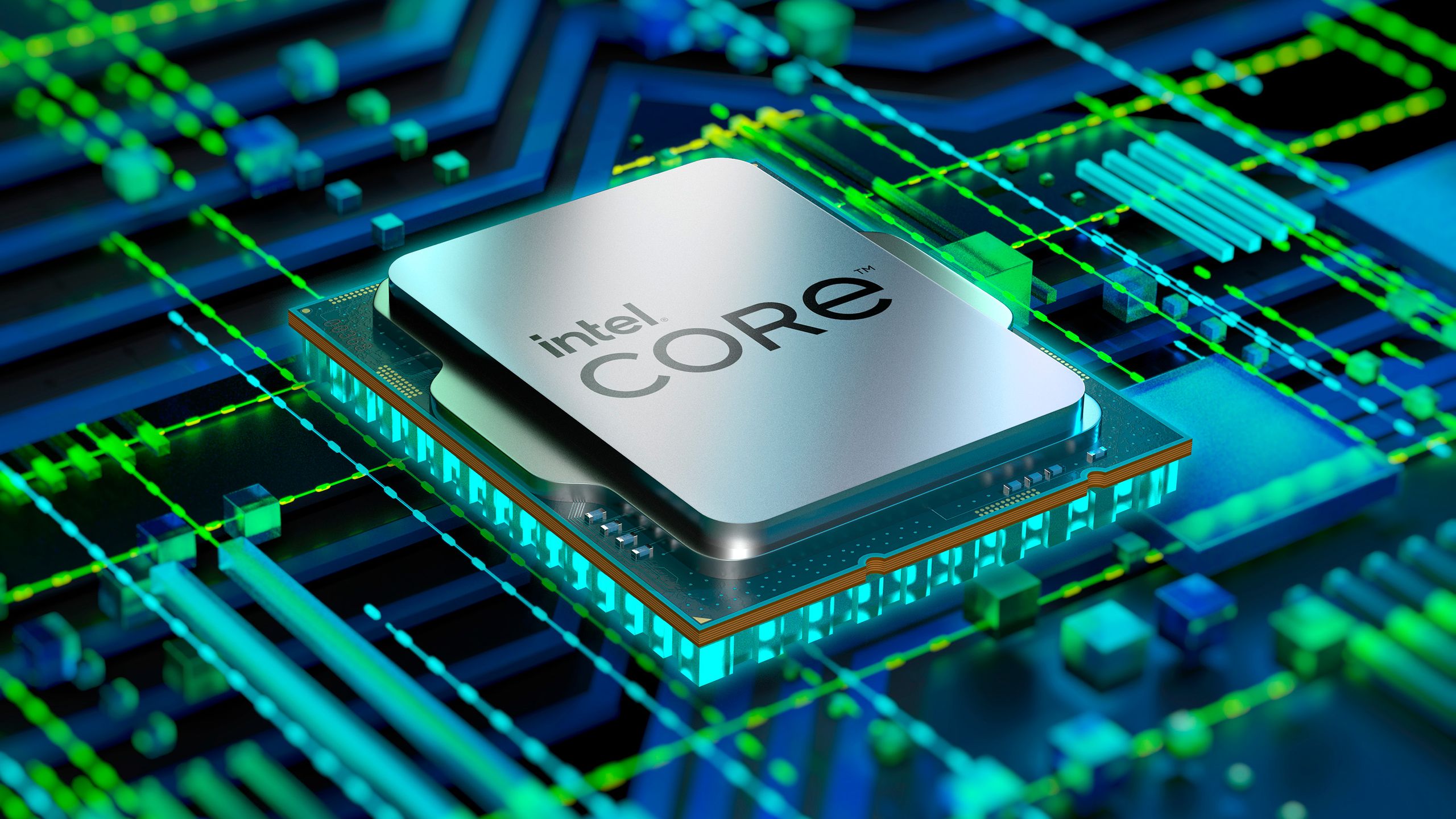
When a manufacturer releases a CPU, they update the BIOS to recognize its unique architecture, power draw, and operational parameters. If a CPU, like the 12 P-core Bartlett Lake chip in this case, is architecturally advanced or deviates significantly from the expected standard, the existing BIOS simply doesn't have the "language" to communicate with it. It’s like trying to plug a brand-new, futuristic appliance into an old wall socket—it won't fit, and the system will refuse to power on.
AI as the Firmware Engineer: How Claude Changed the Game
This is where the story pivots from traditional hardware modification into the bleeding edge of AI application.
Instead of relying on traditional reverse-engineering methods, which are incredibly time-consuming and require deep, specialized knowledge of firmware architecture, the modder leveraged Claude AI. The AI wasn't just used for simple code snippets; it was tasked with understanding, interpreting, and rewriting complex, low-level firmware code—the very language of the BIOS.
The process is highly complex. BIOS code is written in specialized languages (often assembly or C) and governs everything from memory mapping to power management. Asking an LLM to rewrite this code requires the AI to perform several sophisticated tasks:
The Future of Hardware: AI and the End of Compatibility Barriers
The success of this modder is more than a novelty; it is a powerful indicator of where technology is heading. It suggests that the physical limitations of hardware are increasingly becoming software problems—problems that advanced AI models are uniquely equipped to solve.
What does this mean for consumers and the tech industry?
Faster Innovation Cycles: If AI can accelerate the process of creating compatible firmware, the time between a new CPU being released and it being fully supported by motherboards could shrink dramatically. Empowered Consumers: Enthusiast builders and independent modders gain access to tools that were previously restricted to multi-million dollar corporate engineering teams. The Rise of AI-Driven Engineering: This breakthrough validates the idea that LLMs are not just writing articles or summarizing documents; they are becoming integral parts of the design and debugging process for critical infrastructure.