AI's Impact on Modern Governance and Policy
AI is no longer a future consideration for the U.S. government, it is actively shaping policy decisions, intelligence analysis, and defense operations. The White House's involvement has accelerated the timeline from experimental pilot programs to full deployment.
The rapid adoption of AI-driven tools, from deepfake detection to policy modeling, is outpacing the regulatory frameworks designed to govern them. The central question has shifted from whether government should use AI to how it can be used responsibly.
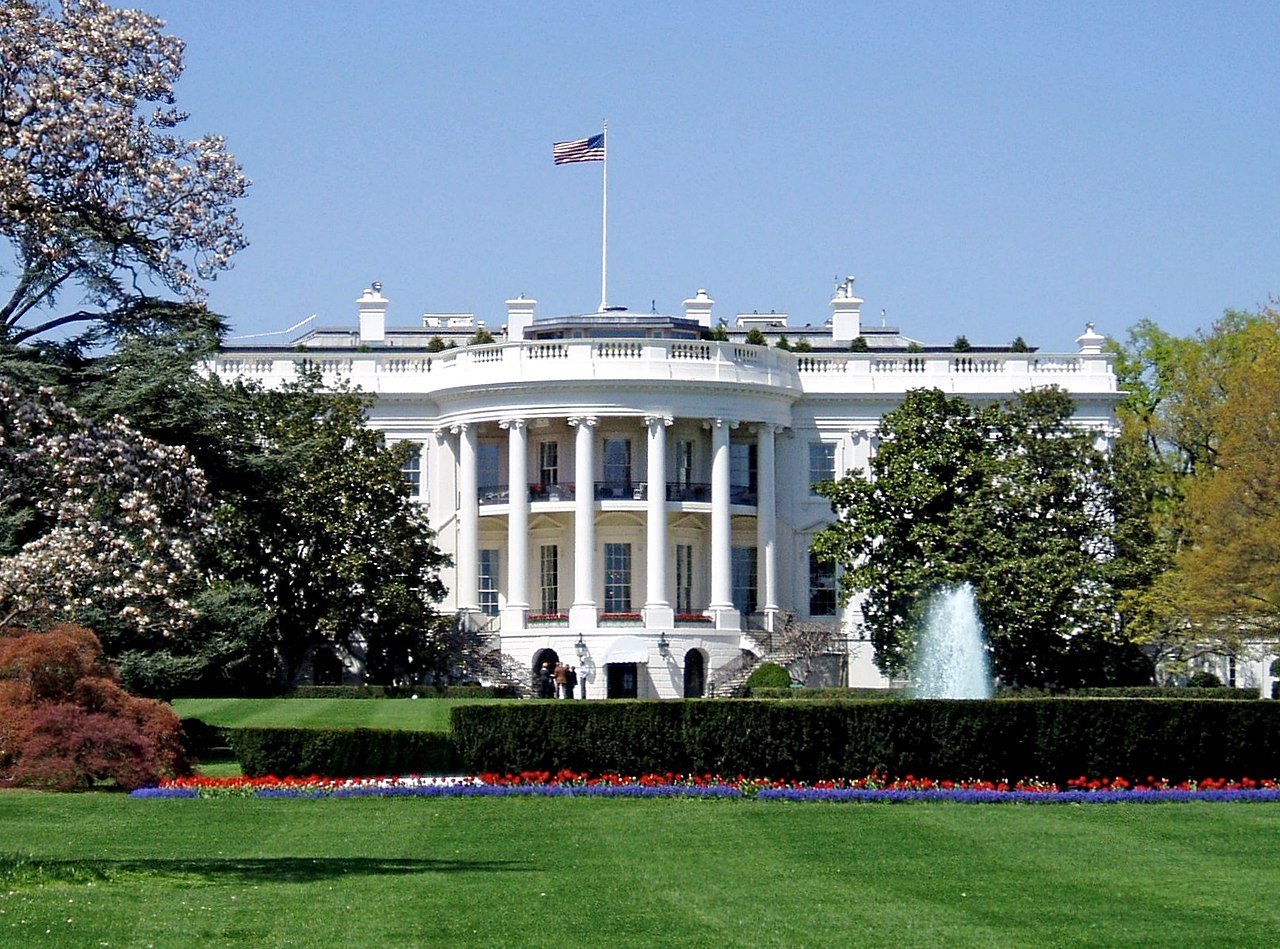
The term "AI at the White House" often conjures images of futuristic sci-fi scenarios.
The AI Revolution in Governance: Beyond the Hype Cycle
The term "AI at the White House" often conjures images of futuristic sci-fi scenarios. But the reality is far more complex and immediate. Governments worldwide are not just considering AI; they are actively deploying it across critical infrastructure, defense, and policy-making departments. This shift represents a fundamental change in how decisions are made, moving from human consensus to algorithmic optimization.
The initial applications of AI are focused on efficiency and data processing—areas where human capacity is limited by sheer volume.
National Security and Intelligence: AI algorithms are revolutionizing signal intelligence. They can sift through petabytes of data—satellite imagery, intercepted communications, financial transactions—in minutes, identifying patterns that would take human analysts decades to uncover. This capability is a double-edged sword: it enhances security but also raises massive concerns about surveillance and privacy. Policy Modeling and Simulation: Before a major piece of legislation is passed, AI can be used to model its potential real-world impact. For example, an AI could simulate the economic fallout of a carbon tax across different demographics, providing policymakers with immediate, data-driven projections. This level of predictive power is unprecedented and fundamentally changes the debate from "what if" to "what will happen." Cybersecurity Defense: As governments become more digitized, they become more vulnerable. AI-powered defensive systems are now mandatory, capable of identifying and neutralizing zero-day exploits and sophisticated state-sponsored cyberattacks in real-time, far faster than human teams can react.
The Ethical Minefield: Risks and Regulatory Challenges
With immense power comes immense responsibility. The speed of AI deployment has far outpaced the development of ethical guardrails and comprehensive legal frameworks. This gap between capability and regulation is arguably the most critical issue facing modern governance.
Perhaps the most immediate and alarming application of AI is in the realm of synthetic media, or "deepfakes." These tools allow bad actors to generate hyper-realistic audio and video of public figures saying or doing things they never did.
The threat to democratic processes is profound. A perfectly crafted deepfake video released just hours before an election could destabilize markets, incite civil unrest, or discredit a candidate, leaving little time for traditional fact-checking mechanisms to catch up. The challenge here is not technological; it is one of trust. When visual and auditory evidence can no longer be trusted, the foundation of public discourse begins to crumble.